



Earthquake
Summarized and contextualized by DistantNews.
At a glance
News
Sources not specified
Context piece
- The article highlights a confluence of global crises including ongoing wars, climate change impacts like heatwaves and extreme weather, and the recent major earthquakes in Venezuela.
- It notes the escalating death toll in Venezuela, with thousands missing and fears of a much higher eventual fatality count.
- The piece discusses Venezuela's geological setting for earthquakes and briefly touches on seismic risks for Trinidad and Tobago, questioning the link between climate change and earthquake frequency.
The world is currently grappling with a multitude of crises, from ongoing geopolitical conflicts like the wars in Ukraine and between Israel and Lebanon, to the escalating impacts of global warming. Extreme heatwaves are scorching Europe, with temperatures soaring above 41 degrees Celsius in Germany, while the U.S. braces for a heat dome following a week of severe weather including hail, flooding, and wildfires. The Caribbean anticipates the El Niño phenomenon, predicting a cycle of intense tropical storms and hurricanes alternating with prolonged heat.
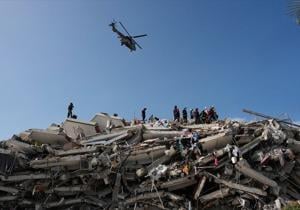
Adding to this global turmoil, Venezuela recently experienced a devastating seismic event: twin earthquakes, measuring 7.2 and 7.5 magnitude, struck just 39 seconds apart. The death toll has tragically surpassed 2,000, with over 70,000 people still missing, raising fears of a final count potentially reaching 60,000 or more. The article emphasizes the critical role of rapid rescue efforts in earthquake recovery, noting that dwindling hopes are common as time passes.
Venezuela's location on the active tectonic boundary between the Caribbean and South American plates makes it prone to seismic activity. The recent event, a rare "doublet" originating from two different faults, occurred near the San Sebastian fault. Trinidad and Tobago, also situated near this plate boundary, faces moderate to high earthquake risk. However, the UWI Seismic Research Centre maintains that the recent Venezuelan earthquake does not elevate the current risk level for the twin-island nation. The article concludes by touching upon the ongoing scientific debate regarding whether climate change can influence earthquake frequency, noting that while the UWI Seismic Research Centre denies a link, some recent research suggests otherwise.
DistantNews Editorial
Originally published by Trinidad Express. Summarized and contextualized by our editorial team with added local perspective. Read our editorial standards.
More Stories

From Our Blog

What Gets Lost (and Found) When News Is Translated

The Critical Role of Diaspora Media in Global News

What Travellers Should Know About Countries with Restricted Press

A Digital Nomad's Guide to Following Local News

How the Same Story Looks Different in Different Countries
