

Eastern European NATO countries may fund U.S. bases to appease Trump
Translated from Romanian, summarized and contextualized by DistantNews.
At a glance
News
Sources not specified
Context piece
- Eastern European NATO members are reportedly offering to cover a larger share of the costs for U.S. troops stationed in their territories.
- This initiative aims to persuade the Trump administration against reducing its military presence in the region as the U.S. conducts a six-month review of its European deployment.
- The move reflects a desire to maintain a credible deterrent against Russia, with Eastern European nations keen to host more U.S. troops and coordinate responses to avoid negative reactions from former President Trump.
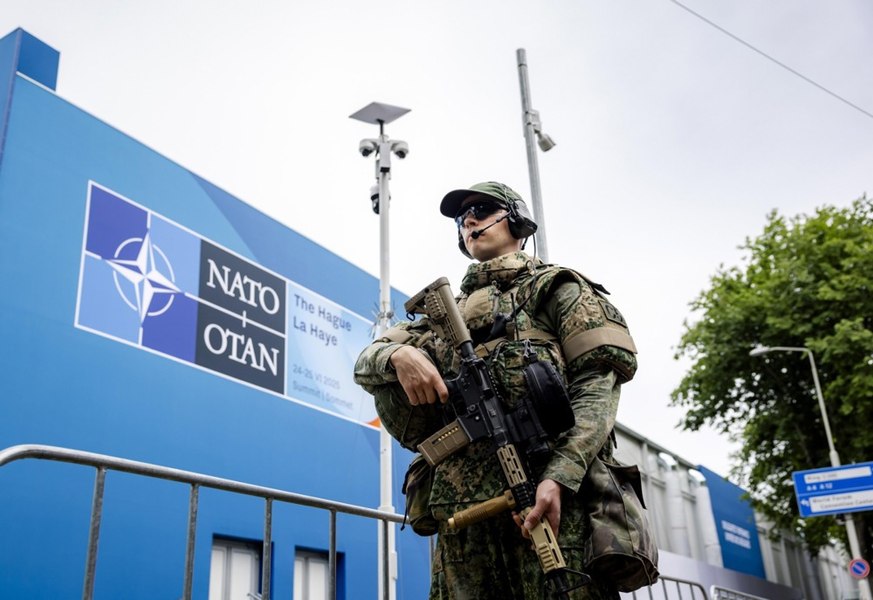
NATO countries in Eastern Europe are preparing to offer to shoulder a greater portion of the costs associated with U.S. troops stationed on their soil, in a bid to prevent the Trump administration from scaling back its military presence in the region.
The initiative is being prepared for an upcoming alliance meeting in Brussels on August 27, which will include U.S. Deputy Assistant Secretary of Defense for Policy, Elbridge Colby. This move underscores the urgency of maintaining a credible deterrent against Russia, especially as the U.S. undertakes a six-month assessment of its military footprint in Europe. A questionnaire sent by the U.S., seen by Bloomberg, requires responses by August 28 and has reportedly surprised European capitals.
The questionnaire probes support for Donald Trump's policies, including whether nations have "publicly" backed his foreign policy, restrictions on the use of American military bases, and funding for U.S. defense industry companies. While U.S. troop numbers in Europe fluctuate between 80,000 and 100,000, with over a third in Germany, Eastern European nations host fewer troops, ranging from hundreds in the Baltics to thousands in Poland.
Sources cited by Bloomberg indicate that Eastern European countries are eager to host more U.S. troops and are thus willing to increase their financial contributions. Major European NATO members are reportedly discussing a coordinated response to avoid provoking a negative reaction from Trump, who previously expressed displeasure when allies did not participate in joint U.S.-Israel attacks against Iran. Many allies view the questionnaire, attributed to Colby, as an attempt to secure ideological alignment in exchange for American protection.
Following initial surprise, a consensus has emerged among these capitals for a constructive response, with a shared understanding that allies still require and desire the presence of U.S. troops in Europe. Finnish President Alexander Stubb commented on the questionnaire, stating, "There are issues on which we agree with the United States and issues on which we do not agree. In time, we will also respond to this questionnaire." Oana Lungescu, a researcher at the British think tank RUSI and former NATO spokesperson, noted that agreements on troop deployment and arms sales are common but usually less direct and confrontational.
There are issues on which we agree with the United States and issues on which we do not agree. In time, we will also respond to this questionnaire.
DistantNews Editorial
Originally published by Adevărul in Romanian. Translated, summarized, and contextualized by our editorial team with added local perspective. Read our editorial standards.
More Stories

From Our Blog

What Gets Lost (and Found) When News Is Translated

The Critical Role of Diaspora Media in Global News

What Travellers Should Know About Countries with Restricted Press

A Digital Nomad's Guide to Following Local News

How the Same Story Looks Different in Different Countries
