


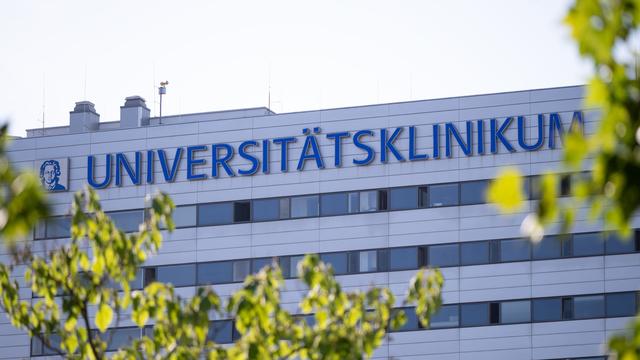
Ebola Patient in Frankfurt Shows Improved Symptoms
Translated from German, summarized and contextualized by DistantNews.
At a glance
News
Official statement
Ongoing story
- An Ebola patient being treated at Frankfurt University Hospital is showing signs of improvement.
- The patient, an employee of the aid organization Samaritan's Purse, contracted the Bundibugyo virus in the Democratic Republic of Congo.
- The patient is in stable condition and receiving supportive therapy, with medical staff experienced in treating hemorrhagic fevers.
The Ebola patient receiving treatment at Frankfurt University Hospital is showing a slight improvement in symptoms, according to a hospital spokesperson. The individual remains in stable condition while benefiting from supportive therapy measures.
The patient is an employee of the aid organization Samaritan's Purse, where they worked in logistics and had no direct contact with patients. The organization stated the employee has been a disaster relief worker for 15 years and voluntarily undertakes these assignments.
The affected person is currently showing a symptomatic improvement and is benefiting from the supportive therapy measures. The person remains in stable condition.
This case marks the second US citizen infected with Ebola to be treated in Germany. The patient arrived at Frankfurt Airport on Monday night, having contracted the Bundibugyo virus, a variant of Ebola circulating in the Democratic Republic of Congo, where they experienced symptoms including high fever. The patient was flown to Germany from Africa for treatment.
Samaritan's Purse, a Christian aid organization, operates multiple Ebola treatment centers in Congo and supports local health authorities in containing the outbreak. The organization has prior experience combating Ebola, having assisted in 2014 and 2018. Frankfurt University Hospital has a history of successfully treating patients with hemorrhagic fevers, including previous cases of Ebola and Lassa fever.
He had no direct patient contact and did not work in medicine, but in logistics.
DistantNews Editorial
Originally published by Die Zeit in German. Translated, summarized, and contextualized by our editorial team with added local perspective. Read our editorial standards.
More Stories


From Our Blog

What Gets Lost (and Found) When News Is Translated

How the Same Story Looks Different in Different Countries

The Critical Role of Diaspora Media in Global News

What Travellers Should Know About Countries with Restricted Press

A Digital Nomad's Guide to Following Local News
