


ECB rate hike based on improved data analysis, says Lagarde
Translated from German, summarized and contextualized by DistantNews.
At a glance
News
Named sources
New plan
- European Central Bank (ECB) President Christine Lagarde stated that recent interest rate hikes were based on improved forecast models.
- Lagarde highlighted that forecast errors were minimal following the Middle East conflict, allowing for more detailed analysis of energy markets.
- The ECB raised its key interest rate from 2.0% to 2.25% on June 11, with further increases possible to combat inflation.
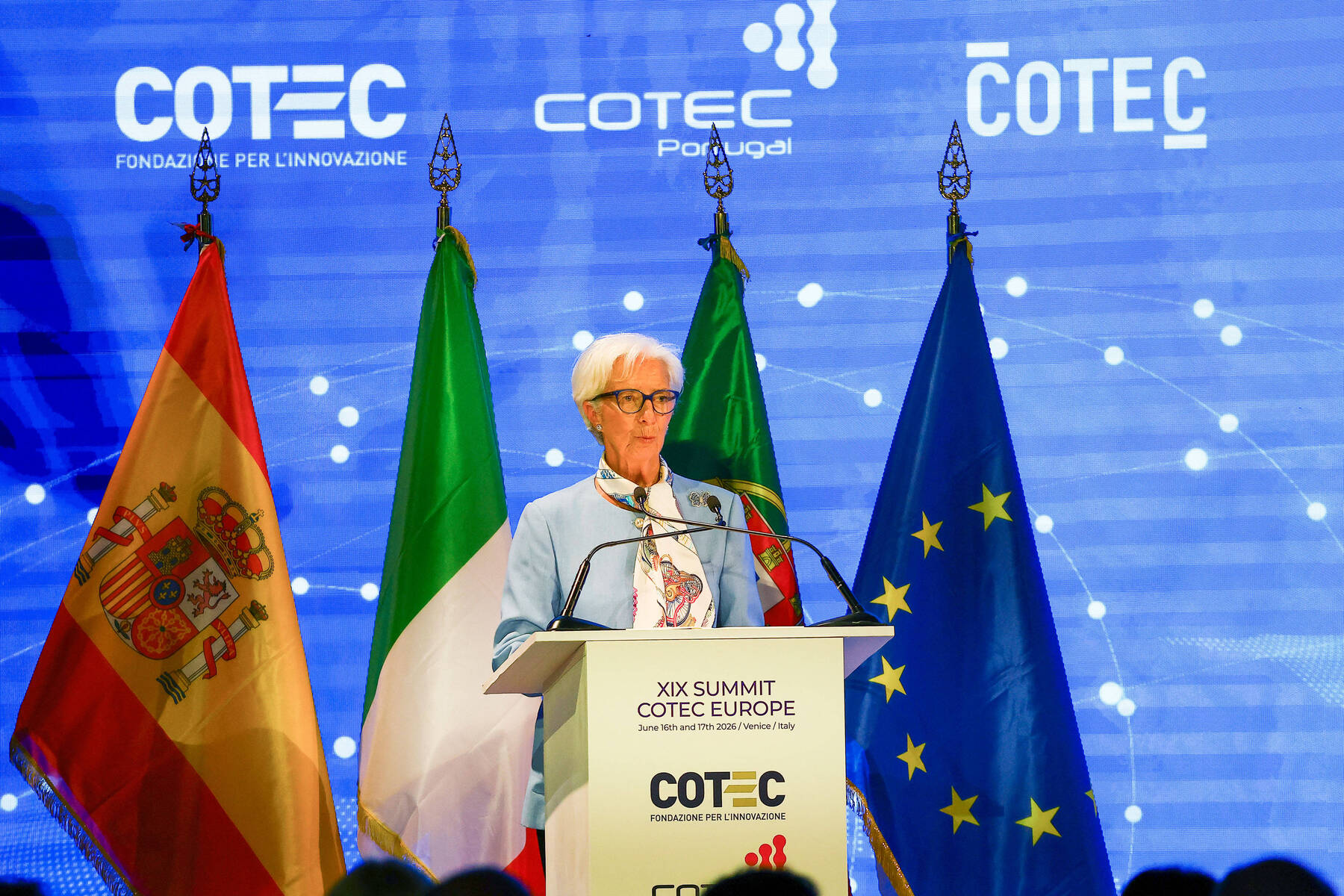
European Central Bank (ECB) President Christine Lagarde indicated that the central bank's recent decision to raise interest rates was significantly informed by enhanced forecasting models. Speaking at the ECB Forum in Sintra, Portugal, Lagarde explained that improvements in their predictive tools have allowed for more accurate assessments, particularly after the inflation surge in 2022.
Lagarde noted that forecast errors have been notably small since the outbreak of the Middle East conflict. This stability has enabled the ECB to develop more detailed projections for oil, gas, and electricity prices. "These forecasts provide us with a more comprehensive medium-term picture – not only regarding inflation prospects but also regarding how inflation will react to our monetary policy measures," she stated.
These forecasts provide us with a more comprehensive medium-term picture – not only regarding inflation prospects but also regarding how inflation will react to our monetary policy measures.
The ECB chief emphasized that these refined forecasts help the bank align its monetary policy with the current, often volatile, geopolitical landscape. She also addressed the recent interest rate hike, stating it was not merely a precautionary measure. "Some have described the rate hike from the beginning of this month as a hedging measure. This description is not accurate," Lagarde said.
Some have described the rate hike from the beginning of this month as a hedging measure. This description is not accurate.
Analysis indicated that inflation would have remained above the ECB's target of two percent in 2027 and 2028 even if interest rates had not changed. The decision, therefore, was based on a current assessment of the situation. Lagarde attributed the confidence in making this decision amidst significant uncertainty to "years of investment in our data, indicators, and forecasts."
On June 11, the ECB increased its key interest rate from 2.0% to 2.25%, marking the first such hike in nearly three years. German ECB board member Isabel Schnabel suggested that further tightening might be necessary, stating, "To bring inflation back to our target of two percent in the medium term, we will have to raise interest rates further from today's perspective."
To bring inflation back to our target of two percent in the medium term, we will have to raise interest rates further from today's perspective.
DistantNews Editorial
Originally published by Die Presse in German. Translated, summarized, and contextualized by our editorial team with added local perspective. Read our editorial standards.
More Stories


From Our Blog

What Gets Lost (and Found) When News Is Translated

The Critical Role of Diaspora Media in Global News

What Travellers Should Know About Countries with Restricted Press

A Digital Nomad's Guide to Following Local News

How the Same Story Looks Different in Different Countries
