


EcoQurban initiative aims to reduce sacrificial waste in Jakarta
Translated from Indonesian and summarized by DistantNews. Read the original for the full story.
At a glance
News
Official statement
New plan
- Jakarta's Environment Agency is promoting an "EcoQurban" initiative for this year's Eid al-Adha to reduce waste from sacrificial animal slaughter.
- The program encourages clean, healthy, and environmentally friendly practices, from slaughtering to meat distribution.
- Measures include proper disposal of animal waste, minimizing water usage, and using eco-friendly packaging like bamboo baskets or reusable containers.
Jakarta's Environment Agency (DLH) is urging the public and all organizers of sacrificial animal slaughter to adopt the "EcoQurban" principle for this year's Eid al-Adha. The initiative aims to ensure that the religious observance is conducted in a cleaner, healthier, and more environmentally conscious manner.
Dudi Gardesi, the Head of DLH DKI Jakarta, explained that EcoQurban involves implementing environmentally friendly practices throughout the entire process of animal sacrifice, not just during meat distribution. This aligns with the Jakarta Governor's Regulation No. 30 of 2025 on Guidelines for the Implementation of Animal Slaughter.
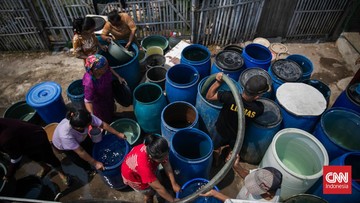
With an estimated 77,436 sacrificial animals to be slaughtered in Jakarta this year, the agency highlights the potential for significant waste generation if not managed properly. This waste includes animal blood, unused body parts, and substantial water consumption during slaughtering and cleaning. Gardesi noted that each animal requires approximately 500 to 1,000 liters of water for cleaning, and meat production carries a high water footprint.
EcoQurban this is in line with the Governor of DKI Jakarta Regulation Number 30 of 2025 concerning Guidelines for the Implementation of Animal Slaughter, not only in the process of its implementation, but also up to the stage of distributing sacrificial meat.
To mitigate environmental impact, DLH is emphasizing correct waste management. Animal blood and wastewater should not be discarded indiscriminately; blood should be collected in waterproof containers with disinfectants like lime or chlorine. Wash water should be free of blood before being released or reused for purposes like watering plants. Unused animal parts can be buried in designated areas with disinfectants or processed using Black Soldier Fly (BSF) maggots to reduce organic waste.
Furthermore, DLH encourages reducing food waste by cooking according to need and avoiding excessive preparation. The agency also promotes the use of sustainable packaging for meat distribution, advising against single-use plastics in favor of eco-friendly options such as bamboo baskets, banana leaves, or reusable containers. The EcoQurban initiative seeks to ensure that the benefits of Eid al-Adha extend beyond social and religious aspects to include environmental stewardship.
Animal blood or wash water should not be scattered in the surrounding environment. We urge the public to collect animal blood using waterproof containers, then add disinfectant such as lime or chlorine to make it safe for the environment.
About this summary
Originally published by Republika in Indonesian. Translated, summarized, and contextualized automatically by DistantNews, with a note on how the source frames the story. Not individually reviewed before publishing. How this works.
More Stories

From Our Blog

News in Translation: What Gets Lost, and How We Keep the Framing

Diaspora Media: How Communities Abroad Follow Home

Traveling Where the Press Is Not Free: How to Read the News There

The Digital Nomad's Guide to Local News

The Same Story, Different Countries: How Coverage Changes at the Border
