

EDITORIAL: Solidarity Is Needed on Austerity
Translated from Estonian and summarized by DistantNews. Read the original for the full story.
At a glance
Opinion
Named sources
Context piece
- Estonia’s Health Insurance Fund faces a structural deficit, and an analysis says limited savings, digital medical solutions and delaying doctors’ wage increases could restore balance by 2030.
- Medical workers reject the plan as unrealistic and say postponing pay rises would worsen staff shortages.
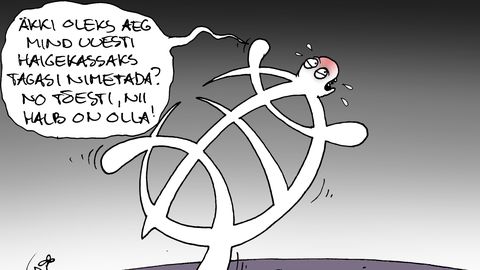
- The editorial argues that healthcare must share the burden of austerity while also addressing overloaded doctors and long treatment queues.
Estonia’s Health Insurance Fund may overcome its large deficit within a few years, but only if the country accepts a broad austerity plan. That plan could include delaying medical workers’ wage increases by nine months and expanding digital solutions in healthcare.
The proposal has surprised Social Affairs Minister Karmen Joller, who also chairs the Health Insurance Fund’s council. Earlier projections from the Development Monitoring Centre suggested the deficit could reach 900 million euros by 2035 because treatment costs would grow faster than social-tax revenue.
Medical workers have largely dismissed the new plan as impractical. They argue that digital systems cannot be introduced so quickly or with the efficiency assumed in the analysis. They also oppose delaying the minimum wage increase for doctors, saying healthcare professionals need faster-than-average pay growth to counter a worsening labor shortage.
A representative of the doctors’ association said postponing the increase would send a clear message that doctors’ work is not valued and that the state healthcare system does not particularly need them. At the same time, the editorial notes that medical salaries are not low. In March 2025, median pay reached 5,115 euros for doctors, 2,688 euros for nurses and 1,701 euros for care workers. Doctors earned about three times Estonia’s median wage, while nurses and care workers earned nearly twice as much.
The editorial says medical pay has also grown faster than the national average, unlike salaries for teachers and rescuers, whose work is considered equally important. It calls for social solidarity over savings and argues that healthcare cannot be exempt. Hospitals should seek internal reserves, while overloaded doctors and long waiting lists may require private money to enter the system more openly. The editorial also warns against trusting an election-season forecast that the fund no longer faces bankruptcy risk, saying experts still view the deficit as structural.
About this summary
Originally published by Postimees in Estonian. Translated, summarized, and contextualized automatically by DistantNews, with a note on how the source frames the story. Not individually reviewed before publishing. How this works.
More Stories
/nginx/o/2026/09/01/17888035t1ha39e.jpg)
/nginx/o/2026/01/07/17375640t1h91c0.jpg)
From Our Blog

What Gets Lost (and Found) When News Is Translated

The Critical Role of Diaspora Media in Global News

What Travellers Should Know About Countries with Restricted Press

A Digital Nomad's Guide to Following Local News

How the Same Story Looks Different in Different Countries
