


Educated Youth Gravitate Towards Far-Right in Europe Amid Identity Crisis, Experts Warn
Translated from Romanian, summarized and contextualized by DistantNews.
At a glance
Analysis
Named sources
Context piece
- Educated young Europeans, including those with international experience, are increasingly receptive to nationalist messages, challenging liberal assumptions.
- Far-right parties in Europe are gaining support not just from those facing economic hardship, but by tapping into a deeper need for belonging and identity.
- The European Union is criticized for lacking an emotional narrative, while nationalist movements offer simple identity-based stories that resonate with young people.
A growing phenomenon in Europe sees educated young people, even those with international experience, multilingualism, and prestigious degrees, becoming more receptive to nationalist messages. This trend challenges a core assumption of liberal institutions, suggesting that factors beyond economic hardship are driving support for far-right parties.
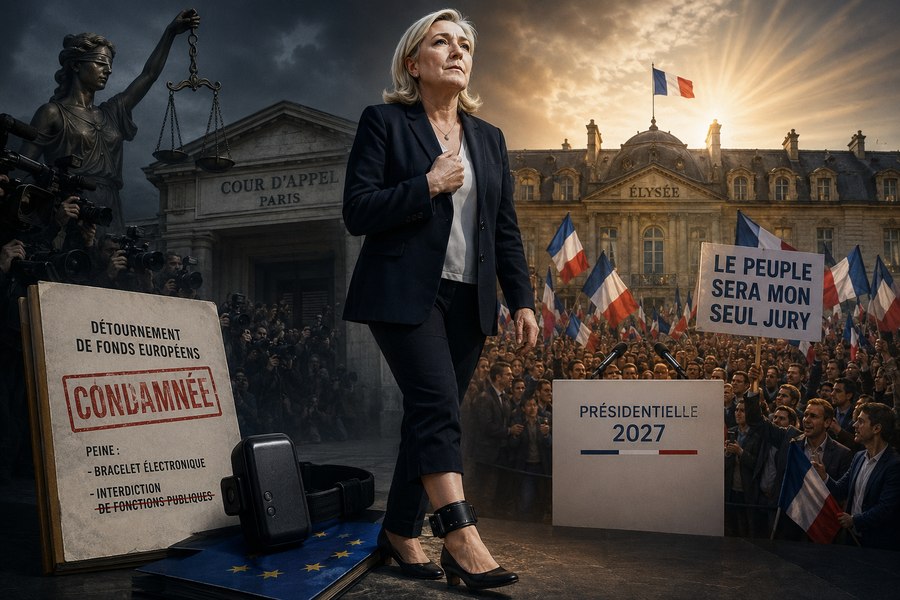
Experts analyzing the situation point to a deeper need for belonging and identity that nationalist movements are effectively exploiting. The 2024 European Parliament elections confirmed this rise, with far-right affiliated parties securing approximately 27% of the seats. This support is not confined to economically disadvantaged regions; data from the 2024 elections indicates that over 21% of men under 30 across 27 member states backed far-right parties. In Germany, the AfD's support among young adults has surged, and in France, Marine Le Pen's National Rally was the most popular choice for voters aged 18-34.
Analysts suggest the European Union suffers from a "narrative vacuum," lacking a compelling story that fosters emotional attachment. While the EU offers benefits like free movement and a single market, these do not always translate into a strong sense of belonging. Nationalist movements, conversely, provide a simple, identity-focused narrative about who belongs to a community, which appears to resonate more effectively with younger generations.
The article highlights that the EU has underestimated the role of culture in fostering a shared identity, assuming economic and political integration would suffice. Initiatives like the "European Capital of Culture" program, launched in 1985, aimed to strengthen this sense of common cultural space, but the broader EU approach has seemingly overlooked culture's power as a tool for connection. This gap allows nationalist narratives, focused on distinct national identities rooted in language, culture, and history, to gain traction among young Europeans.
DistantNews Editorial
Originally published by Adevărul in Romanian. Translated, summarized, and contextualized by our editorial team with added local perspective. Read our editorial standards.
More Stories

From Our Blog

What Gets Lost (and Found) When News Is Translated

The Critical Role of Diaspora Media in Global News

What Travellers Should Know About Countries with Restricted Press

A Digital Nomad's Guide to Following Local News

How the Same Story Looks Different in Different Countries
