

Romanian MEP Questioned by Prosecutors Over COVID-19 Vaccine Purchases
Translated from Romanian, summarized and contextualized by DistantNews.
At a glance
News
Sources not specified
Under investigation
- Romanian MEP Dan Barna was questioned by prosecutors regarding the country's COVID-19 vaccine purchases during the pandemic.
- Barna, who was deputy prime minister at the time, stated the acquisition was made within a European framework and aligned with other member states.
- He described the situation as "bizarre," comparing it to buying tanks during wartime and later facing accusations for the purchase after peace is declared.
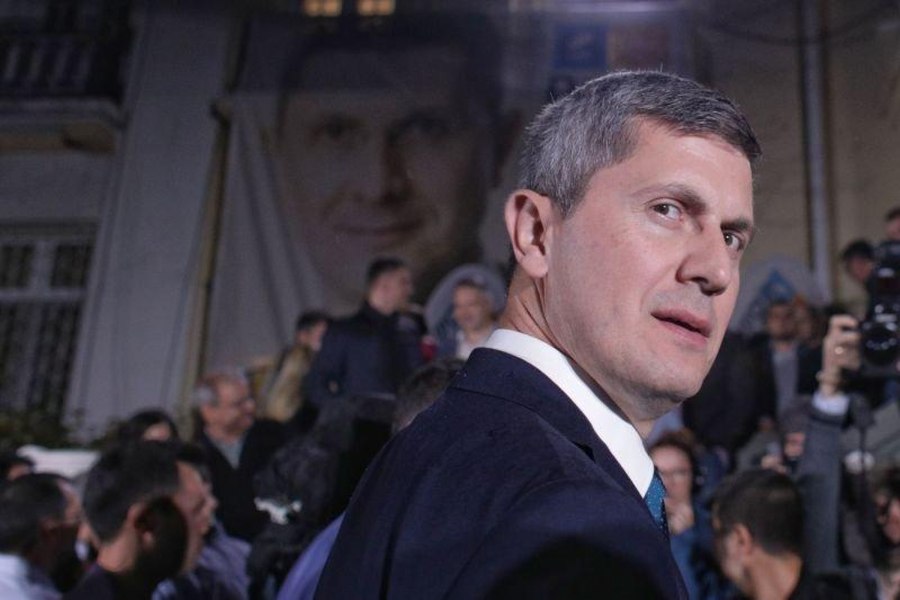
Romanian Member of the European Parliament Dan Barna appeared before the National Anticorruption Directorate (DNA) for questioning in connection with the country's procurement of COVID-19 vaccines during the pandemic. Barna, who served as deputy prime minister in the Cîțu government at the time, described the investigation as "bizarre."
The subject itself is one that seems at least bizarre, it is as if, in situations of war, you buy 100 tanks and then peace comes and you accuse those who bought the tanks of why they bought them. It is exactly the same thing.
Speaking after his hearing, Barna stated this was his first time being questioned in the case. He explained that Romania, like most European nations, proceeded with vaccine purchases amid uncertainty about the pandemic's evolution. The acquisition, he noted, was part of a broader EU framework contract, and Romania exercised its options within that agreement.
"At that time, Romania was aligned with other European states, and we did what we had to do. All governments were buying vaccines because the pandemic's course was unknown," Barna said. He drew an analogy, comparing the situation to purchasing tanks during wartime and then being accused after peace is declared, suggesting that hindsight should not dictate judgment on decisions made under crisis conditions.
Obviously, each of the states had the respective options and I detailed that in the statement I made.
Barna acknowledged that subsequent actions, particularly concerning the process with Pfizer, might not have been optimal. However, he maintained that the initial decision to purchase vaccines was necessary given the circumstances. He added that while "it was always possible to do things differently" in retrospect, that was not the core issue from his perspective. The legal proceedings come as Romania faces a significant financial obligation, estimated at around 600 million euros, following a Belgian court ruling that ordered the country to fulfill its contractual obligations with Pfizer. Efforts to negotiate a reduction of this debt have thus far been unsuccessful, and Pfizer has initiated recovery procedures.
Later, to come after some years and say that it could have been done differently, it was always possible to do things differently, and that is not the discussion, in my opinion.
DistantNews Editorial
Originally published by Adevărul in Romanian. Translated, summarized, and contextualized by our editorial team with added local perspective. Read our editorial standards.
More Stories
From Our Blog

What Gets Lost (and Found) When News Is Translated

The Critical Role of Diaspora Media in Global News

What Travellers Should Know About Countries with Restricted Press

A Digital Nomad's Guide to Following Local News

How the Same Story Looks Different in Different Countries
