


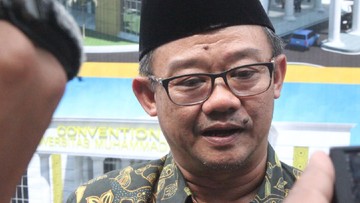
Education Ministry data-schools with minimal students, coordinates with Home Affairs
Translated from Indonesian, summarized and contextualized by DistantNews.
At a glance
News
Sources not specified
Context piece
- Indonesia's Minister of Basic and Secondary Education is addressing the issue of primary schools with very few students.
- The ministry is collecting data on schools with fewer than 60 students and coordinating with the Ministry of Home Affairs.
- This phenomenon is occurring as the new academic year begins, with some schools reporting only two or three new students.
Indonesia's Minister of Basic and Secondary Education, Abdul Mu'ti, is addressing the growing phenomenon of primary schools with critically low student enrollment. The ministry is actively collecting data on state primary schools (SDN) that have fewer than 60 students for the new 2026/2027 academic year. Mu'ti confirmed that his ministry is coordinating with the Ministry of Home Affairs on this issue.
The ministry is collecting data on schools with fewer than 60 students.
Mu'ti stated that he has informally discussed the declining number of primary school students with the Minister of Home Affairs, Tito Karnavian. A special meeting will be convened to thoroughly discuss this trend. This coordination comes as the new academic year, marked by the School Environment Introduction Period (MPLS), has just begun across the country.
Informally, I have already conveyed the issue of declining numbers of primary school students to the Minister of Home Affairs. A special meeting will be held to discuss this phenomenon.
Reports from various regions highlight the severity of the situation. In Bandar Lampung, SD Negeri 1 Gedung Meneng enrolled only two new students for the first grade. Similarly, SDN Purwoyoso 01 in Semarang welcomed just three new students. In Magelang, Central Java, at least 24 primary schools have less than 50 percent of their available class capacity filled. Despite the low numbers, teachers at some schools are reportedly still enthusiastically welcoming the few new students.
Later, I will answer later.
DistantNews Editorial
Originally published by CNN Indonesia in Indonesian. Translated, summarized, and contextualized by our editorial team with added local perspective. Read our editorial standards.
More Stories


From Our Blog

What Gets Lost (and Found) When News Is Translated

The Critical Role of Diaspora Media in Global News

What Travellers Should Know About Countries with Restricted Press

A Digital Nomad's Guide to Following Local News

How the Same Story Looks Different in Different Countries
