


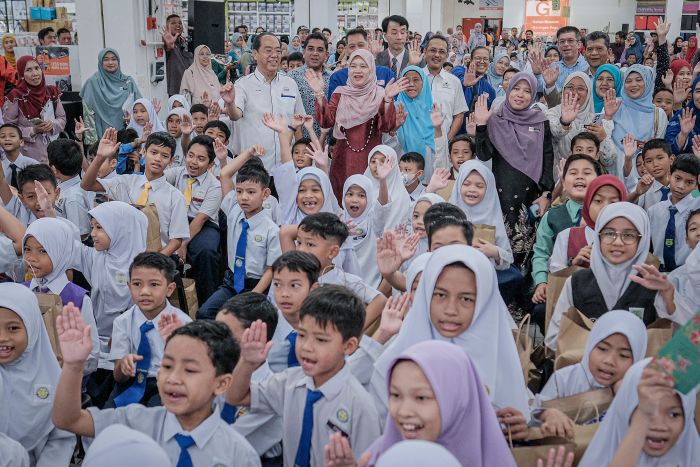
Education must shape values, not just impart knowledge
Translated from Malay, summarized and contextualized by DistantNews.
At a glance
Analysis
Sources not specified
Context piece
- Malaysian society often questions the root causes of student misconduct, blaming schools, parents, or social media.
- True education must go beyond academics to shape values, character, and responsibility, as knowledge alone does not guarantee integrity.
- A holistic approach involving parents and society is crucial to complement school efforts in developing well-rounded individuals.
In Malaysia, societal discussions surrounding student misconduct, whether bullying, fights, or disrespect, frequently lead to finger-pointing. Blame is often cast upon schools, parents, or the pervasive influence of social media, yet the reality is far more complex, with no single cause identified.
These incidents serve as a stark reminder that education must encompass more than just the transmission of knowledge. It plays a vital role in shaping human values, character, and a sense of responsibility. The popular Korean drama "Teach You a Lesson," though fictional, highlights a critical question: what happens when education fails to mold individuals, and who is accountable for correcting this failure? The drama's themes resonate deeply with Malaysia's current societal challenges.
For too long, educational success has been measured primarily by examination results, the number of high achievers, and university admissions. While academic prowess undeniably opens doors to future opportunities, the modern, challenging world compels us to ask if academic excellence alone is sufficient for producing balanced individuals. In an era where information is readily accessible and global connections are instantaneous, we still witness bullying, cyber fraud, fake news, and online hate speech.
This paradox underscores that knowledge without values does not guarantee integrity. The challenge of 21st-century education is not merely about achieving high exam scores but about cultivating critical thinking, ethical decision-making, and the application of knowledge for the common good. Values such as empathy, trustworthiness, respect, and responsibility are not easily quantifiable on exam papers, yet they form the bedrock of a person's quality when facing life's realities.
While Malaysia's education system does emphasize character development, its effective implementation requires comprehensive support. Parents, as the primary educators, and society, as a role model, must work in tandem with schools. What is taught in educational institutions needs to align with what is observed at home and in the social environment. Without this cohesion, the goal of nurturing well-rounded individuals becomes significantly more challenging. Ultimately, education is a lifelong process that shapes how individuals think, act, and make decisions, with essential values being cultivated through experience and upbringing, not merely acquired.
DistantNews Editorial
Originally published by Utusan Malaysia in Malay. Translated, summarized, and contextualized by our editorial team with added local perspective. Read our editorial standards.
More Stories


From Our Blog

What Gets Lost (and Found) When News Is Translated

The Critical Role of Diaspora Media in Global News

What Travellers Should Know About Countries with Restricted Press

A Digital Nomad's Guide to Following Local News

How the Same Story Looks Different in Different Countries
