


Einstein's Watch: A Story of Science, Love, and Espionage
Translated from German, summarized and contextualized by DistantNews.
At a glance
In-depth
Named sources
Context piece
- A golden Longines watch gifted to Albert Einstein in 1931 is featured in a new book about timepieces and their owners.
- The watch, engraved with a dedication, accompanied Einstein during his travels and personal life.
- The book explores the watch's connection to Russian sculptor Margarete Konenkova, with whom Einstein had a complex relationship.
A golden Longines watch, gifted to Albert Einstein in 1931, is highlighted in the new book "Longines – Watches That Make History." The timepiece, presented to the physicist at a Los Angeles gala by Rabbi Edgar Magnin, bears the inscription "Prof. Albert Einstein/Los Angeles/ Feb. 16, 1931." Rabbi Magnin reportedly described the watch as "the most human of all mechanical instruments," comparing its ticking to a heartbeat.
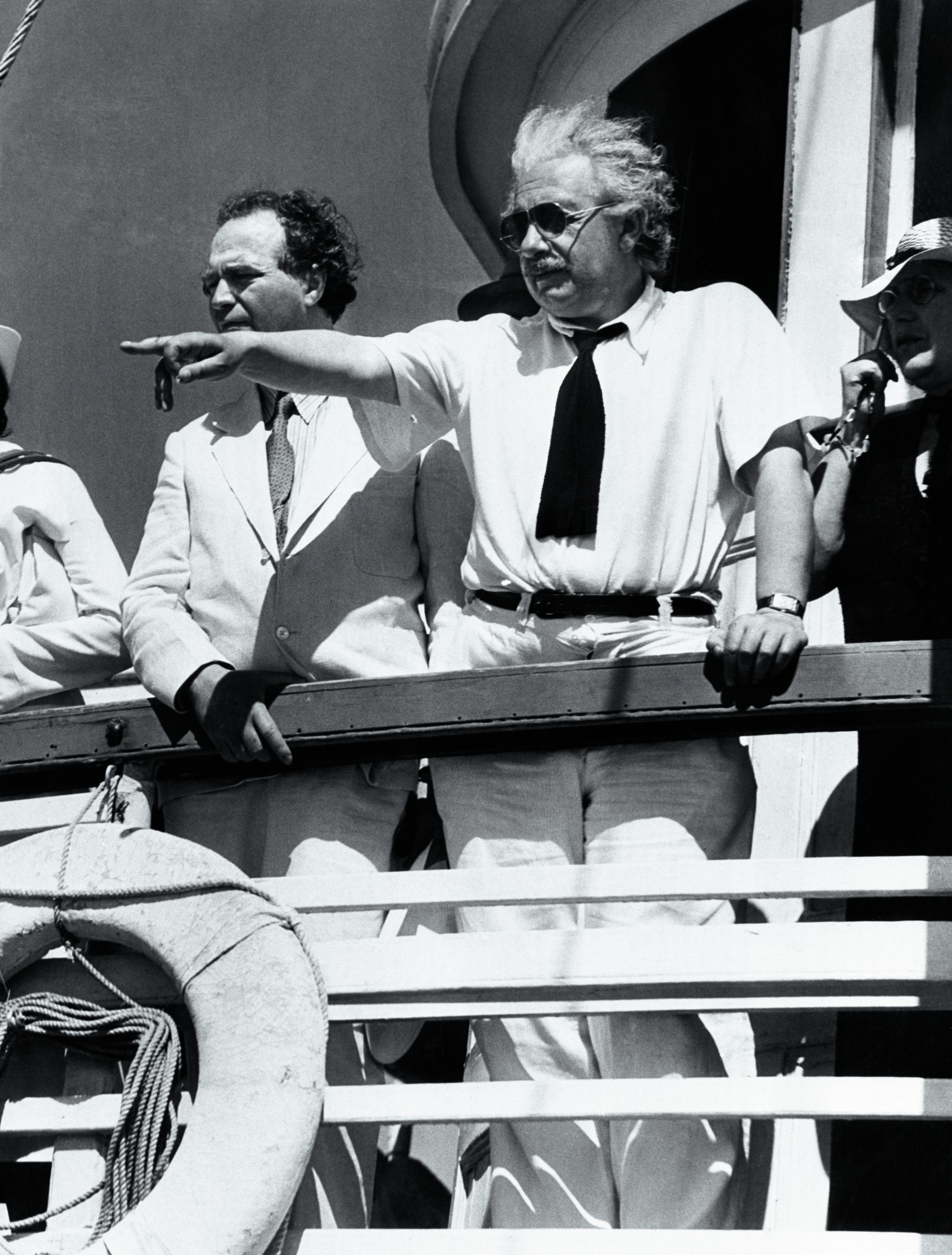
This particular Longines model, a standard production piece from 1929 with a 14-karat gold case, became a personal item for Einstein. Photographs show him wearing it during sailing trips, walks, and conversations, marking a shift towards wristwatches as a symbol of modern, casual style. The Art Deco design of the watch suited Einstein's persona, blending scientific intellect with a relaxed demeanor.
The watch's story extends beyond Einstein's scientific achievements. The inscription on its back is now part of horological history. Furthermore, the book delves into Einstein's relationship with Russian sculptor Margarete Konenkova, who visited him frequently in the mid-1930s. Their connection, which reportedly went beyond professional discussions related to a bust Konenkova was creating of Einstein, adds a layer of intrigue and personal history to the watch's narrative.
"Longines – Watches That Make History," authored by Swiss watch expert Pierre-André Schmitt, focuses on the human stories behind the brand's timepieces rather than technical specifications. Einstein's watch serves as a prime example of how an object can become intertwined with a person's life, witnessing their personal moments and historical context.
The clock is the most human of all mechanical instruments. The ticking of the clock is like the beating of the heart.
DistantNews Editorial
Originally published by Die Presse in German. Translated, summarized, and contextualized by our editorial team with added local perspective. Read our editorial standards.
More Stories



From Our Blog

What Gets Lost (and Found) When News Is Translated

The Critical Role of Diaspora Media in Global News

What Travellers Should Know About Countries with Restricted Press

A Digital Nomad's Guide to Following Local News

How the Same Story Looks Different in Different Countries
