

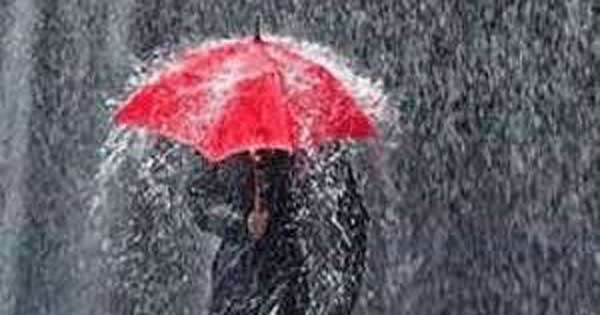

El Niño affects seven districts in Sri Lanka, impacting over 81,000 people
Translated from Sinhala, summarized and contextualized by DistantNews.
At a glance
News
Sources not specified
Context piece
- El Niño has affected 22 Divisional Secretariat Divisions across seven districts in Sri Lanka, impacting 81,605 people from 25,563 families.
- Authorities have provided drinking water to approximately 20,000 families and are implementing a coordinated action plan with all ministries.
- The dry weather is expected to persist until the end of September, with increased rainfall anticipated in October and November, followed by a potential drought in early 2027.
The El Niño phenomenon has significantly impacted seven districts in Sri Lanka, affecting 22 Divisional Secretariat Divisions and a total of 81,605 individuals from 25,563 families. Environment Minister Dr. Attygalle stated that drinking water has been supplied to around 20,000 affected families.
Drinking water has been provided to about twenty thousand families.
In response to the crisis, a coordinated action plan involving all ministries and departments is being implemented. Minister Attygalle mentioned discussions with district secretaries to manage the El Niño situation. The current dry spell is projected to continue until the end of September. Following this, an increase in rainfall is expected during October and November, with the second inter-monsoon period potentially bringing heavier-than-usual precipitation.
Looking ahead, Sri Lanka anticipates a potential drought situation in February, March, and April of 2027. To prepare for this, authorities are planning to conserve water during periods of heavy rainfall by reducing water levels in reservoirs. Additionally, efforts are underway to renovate tanks and reservoirs during the dry season.
We are implementing an action plan by integrating all ministries, departments, and fields to face El Niño.
The Minister emphasized that the government is actively addressing these challenges and encouraged a collective approach to face the situation. He also cautioned against exaggerating El Niño's impact, noting that it often combines with other atmospheric phenomena. The current situation in the Indian Ocean is reportedly favorable, offering some positive influence.
It is not good to report the El Niño disaster with exaggeration.
DistantNews Editorial
Originally published by Lankadeepa in Sinhala. Translated, summarized, and contextualized by our editorial team with added local perspective. Read our editorial standards.
More Stories

From Our Blog

What Gets Lost (and Found) When News Is Translated

The Critical Role of Diaspora Media in Global News

What Travellers Should Know About Countries with Restricted Press

A Digital Nomad's Guide to Following Local News

How the Same Story Looks Different in Different Countries
