


El Niño Phenomenon Threatens Food Prices in Panama, Vendors Warn
Translated from Spanish and summarized by DistantNews. Read the original for the full story.
At a glance
News
Named sources
Context piece
- Vendors at Merca Panamá are warning that the El Niño phenomenon could lead to price hikes for several key food items.
- Insufficient rainfall and strong winds in agricultural areas are impacting crop development, reducing planted areas and harvests.
- The market's pricing is dictated by supply and demand, meaning vendors will pass on increased production costs to consumers.
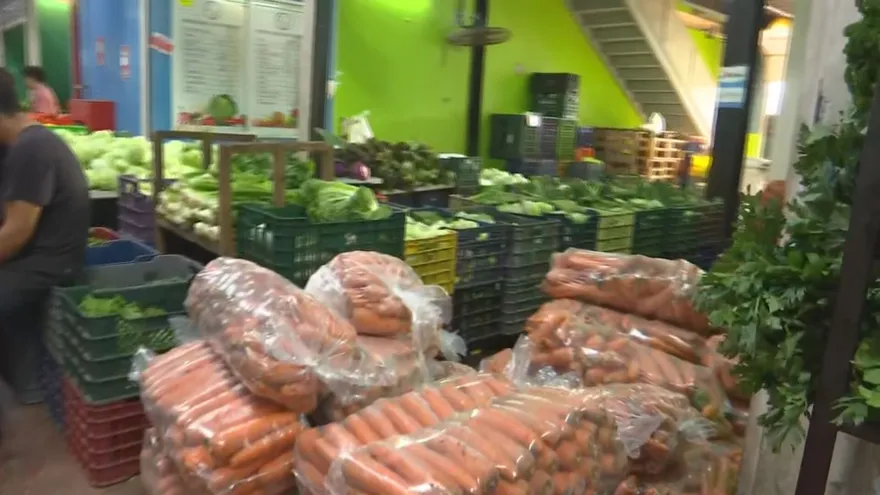
The looming threat of the El Niño phenomenon and associated climate shifts is poised to drive up food prices in Panama, according to vendors at the Merca Panamá market. Yoris Morales, a representative for the Merca Panamá Merchants Association, explained that erratic weather patterns, characterized by a lack of sufficient rainfall and strong winds in productive regions, are severely hindering crop development.
These adverse conditions are preventing essential flowering and significantly reducing the acreage being planted in the highlands, Morales stated. The direct consequence of this diminished agricultural output will be a noticeable increase in the cost of widely consumed vegetables. Morales specifically cited beetroot, carrots, celery, and cabbage as products likely to see price surges due to the reduced availability of harvests.
The lack of sufficient rainfall and the presence of strong winds in the productive areas are directly affecting the development of the crops, making flowering impossible and reducing the planted hectares in the highlands.
Vendors emphasized that the market's pricing structure operates strictly on the principles of supply and demand. They clarified that they have limited capacity to absorb rising input costs originating from the farms. Consequently, to maintain their businesses and cover production expenses, they are compelled to adjust prices for the end consumer.
This situation highlights the vulnerability of Panama's food supply chain to climatic variations. The anticipated price increases for basic food items could place additional strain on household budgets, particularly for families reliant on these staples.
The market's commercialization dynamic is strictly governed by supply and demand. They explain that they have no margin to absorb the extra costs when inputs rise from the cultivation fields, so they are forced to adjust prices to the final consumer to recover production costs and keep their businesses running.
About this summary
Originally published by TVN Panamá in Spanish. Translated, summarized, and contextualized automatically by DistantNews, with a note on how the source frames the story. Not individually reviewed before publishing. How this works.
More Stories


From Our Blog

What Gets Lost (and Found) When News Is Translated

The Critical Role of Diaspora Media in Global News

What Travellers Should Know About Countries with Restricted Press

A Digital Nomad's Guide to Following Local News

How the Same Story Looks Different in Different Countries
