



El Niño Returns: What to Expect for the World and Turkey
Translated from Turkish, summarized and contextualized by DistantNews.
At a glance
News
Sources not specified
New plan
- El Niño, a natural climate phenomenon caused by rising sea surface temperatures in the Pacific Ocean, has officially begun and is expected to strengthen.
- Current predictions suggest this El Niño could be among the most powerful on record, potentially causing significant economic and humanitarian consequences globally.
- For Turkey, risks include hotter, drier conditions and an extended wildfire season, while globally, it may increase pressure on food security through 2027.
The world is once again facing the powerful natural climate event known as El Niño, driven by rapidly warming sea surface temperatures in the Pacific Ocean. Officially starting in June, the 2026-27 El Niño is anticipated to intensify in the coming months. Early forecasts indicate it could rival "Super El Niño" events of the past, which historically triggered severe economic and humanitarian crises.
El Niño's influence extends far beyond the Pacific coastlines. By altering the energy exchange between the ocean and atmosphere, it can impact temperature, rainfall, drought, storms, and agricultural production in regions thousands of miles away. Concerns are mounting that the phenomenon, which can also elevate global temperatures, will exacerbate food security challenges through 2027.
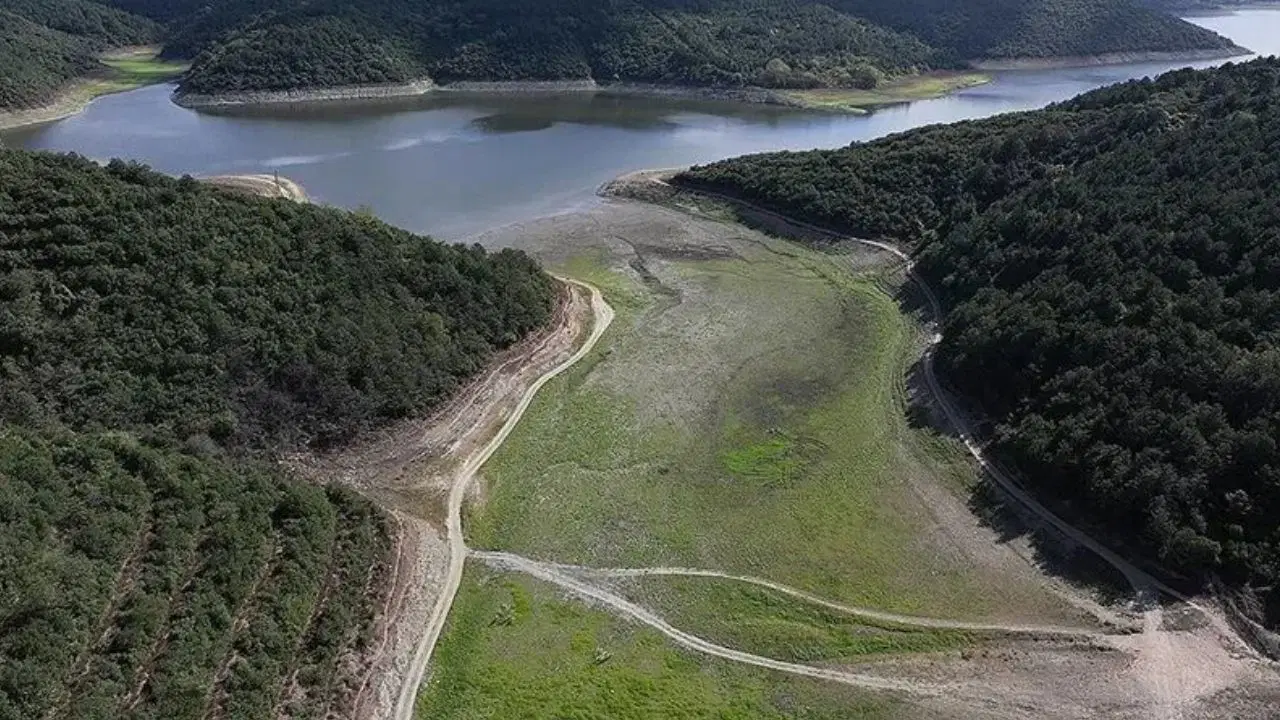
In Turkey, specific risks include hotter and drier weather patterns, potentially leading to a prolonged wildfire season. The phenomenon, characterized by sea surface temperatures rising above average in the central and eastern equatorial Pacific, occurs every two to seven years and typically lasts about a year. The current event is projected to peak between November and January, gradually weakening by spring 2027.
What sets this El Niño apart is its potential strength. Periods where sea temperatures rise 2 degrees Celsius above normal are classified as "Very Strong" or "Super El Niño." Previous occurrences in 1982-83, 1997-98, and 2015-16 fall into this category. Current data suggests a greater than 90% probability that this El Niño will become very strong during the upcoming fall and winter. With Pacific waters already 2 degrees warmer than average in July, and projections indicating a further rise above 2.5 degrees Celsius by late 2026, there's a 69% chance this event could become the strongest El Niño ever recorded.
DistantNews Editorial
Originally published by Cumhuriyet in Turkish. Translated, summarized, and contextualized by our editorial team with added local perspective. Read our editorial standards.
More Stories

From Our Blog

What Gets Lost (and Found) When News Is Translated

The Critical Role of Diaspora Media in Global News

What Travellers Should Know About Countries with Restricted Press

A Digital Nomad's Guide to Following Local News

How the Same Story Looks Different in Different Countries
