

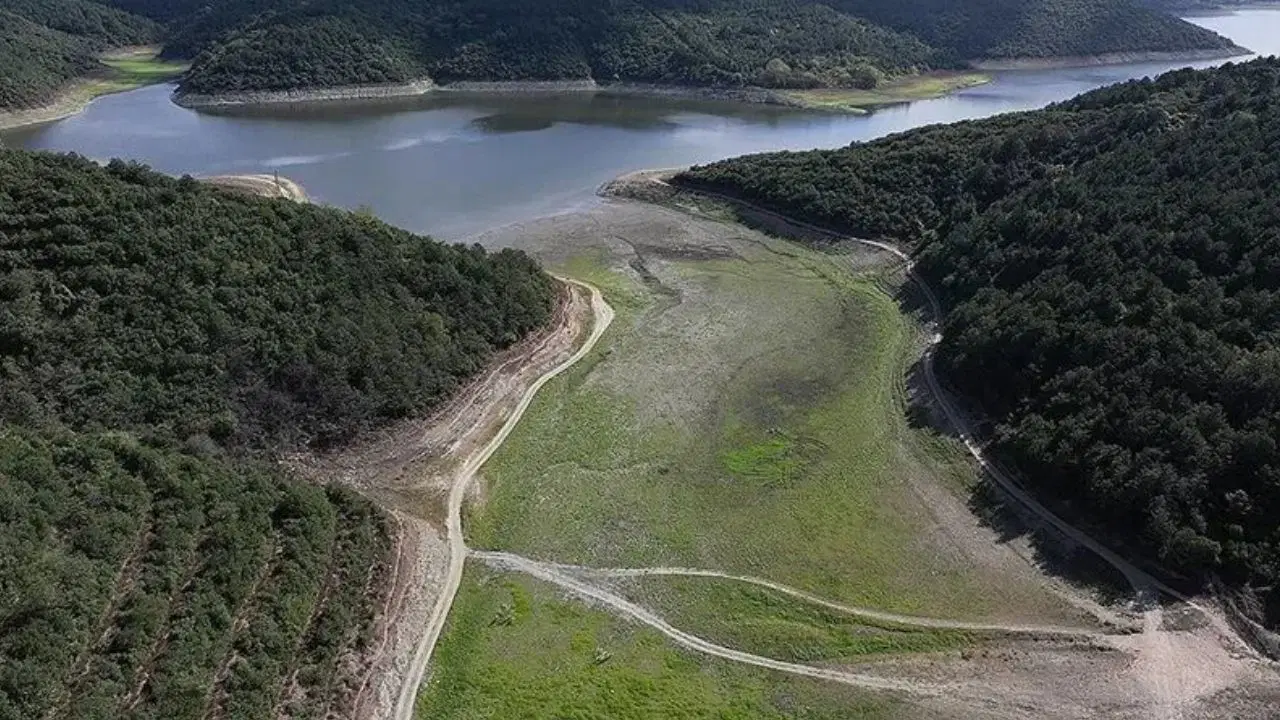
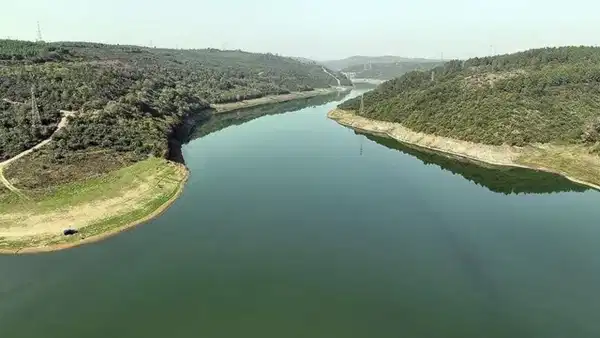
Reservoir levels rise in Turkey, but drought warning remains
Translated from Turkish, summarized and contextualized by DistantNews.
At a glance
News
Official statement
Context piece
- Turkey's rainfall has increased significantly, boosting reservoir levels from 41.1% to 68.9% capacity.
- An expert warns that a single wet year does not end drought, as factors like evaporation and water consumption also affect reservoir levels.
- While four major cities saw reservoir increases, the gains vary due to initial levels and consumption rates, with İzmir's rise highlighting its precarious situation last year.
Reservoir water levels across Turkey have risen dramatically, with the national average occupancy increasing from 41.1% to 68.9% following a surge in rainfall. Data from the General Directorate of State Hydraulic Works (DSİ) shows precipitation up 75.4% from last year and 29% above the long-term average.
A single water year's rainfall and reservoir occupancy increase does not mean the drought has ended.
However, experts caution against premature celebration. Prof. Dr. Mikdat Kadıoğlu, a climate scientist at Istanbul Technical University, stressed that one good water year does not signify the end of drought. He explained that rainfall doesn't directly translate to equal water input in reservoirs, as factors like where rain falls, soil moisture, and the intensity and timing of precipitation play crucial roles. Short, intense downpours can lead to floods that bypass reservoirs, while initial rainfall often replenishes soil moisture before significantly filling reservoirs.
The increase in rainfall does not mean the same amount of water enters the reservoir.
Kadıoğlu also pointed out that reservoir levels are influenced by water transfers between basins, consumption for drinking water, irrigation, and industrial use, as well as the physical characteristics of the reservoirs themselves. Evaporation can be higher in shallow, wide reservoirs, leading to different storage levels even with similar water inputs. "Different consumption rates can create different occupancy levels in reservoirs, even with the same amount of water input," he stated.
The nearly nine-fold increase in İzmir doesn't mean İzmir's water problem is solved, but rather shows how dangerous a point it was at last year.
The increases vary among Turkey's four largest cities. Istanbul saw its occupancy rise from 44.3% to 46.9%, Ankara from 11.1% to 32.8%, İzmir from 4.3% to 39.6%, and Bursa from 36.1% to 39.4%. Kadıoğlu noted that İzmir and Ankara's significant percentage increases stem from their extremely low starting points last year. "The nearly nine-fold increase in İzmir doesn't mean İzmir's water problem is solved, but rather shows how dangerous a point it was at last year," he commented. Istanbul and Bursa's more modest gains are attributed to their higher occupancy rates in the previous year.
Different consumption rates can create different occupancy levels in reservoirs, even with the same amount of water input.
DistantNews Editorial
Originally published by Cumhuriyet in Turkish. Translated, summarized, and contextualized by our editorial team with added local perspective. Read our editorial standards.
More Stories


From Our Blog

What Gets Lost (and Found) When News Is Translated

The Critical Role of Diaspora Media in Global News

What Travellers Should Know About Countries with Restricted Press

A Digital Nomad's Guide to Following Local News

How the Same Story Looks Different in Different Countries
