

El Niño Threatens Global Economy with Extreme Weather and Price Hikes
Translated from Greek, summarized and contextualized by DistantNews.
At a glance
News
Named sources
Context piece
- The El Niño weather phenomenon could trigger extreme weather events, impacting corporate earnings and the global economy.
- S&P Global Ratings warns of potential disruptions to supply chains and increased costs for energy and food.
- While El Niño rarely causes credit rating changes, it can negatively affect companies' financial positions.
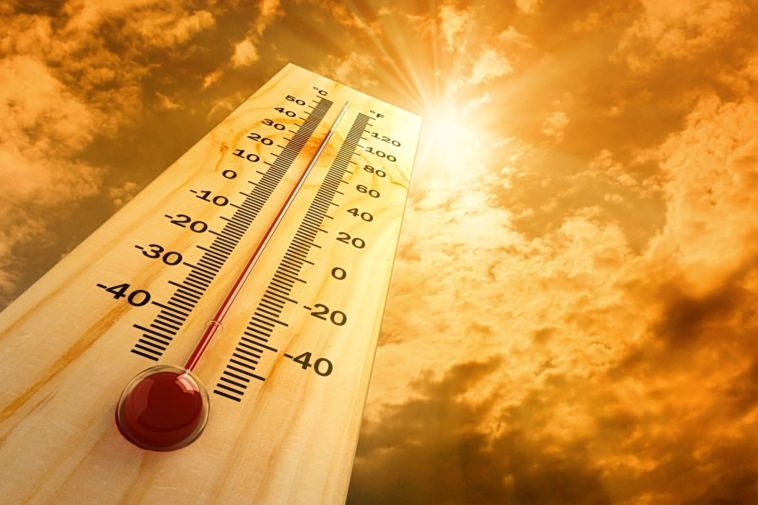
The impending El Niño weather phenomenon poses a significant threat to the global economy, which is already strained by geopolitical tensions and rising energy and food costs. S&P Global Ratings has issued a warning that El Niño could bring about extreme weather events, potentially impacting corporate financial results and exacerbating existing challenges.
El Niño, characterized by rising sea temperatures in the central and eastern Pacific, can lead to drastic weather shifts, causing damage to operations, facilities, and supply chains across various sectors. Current forecasts indicate an 80% probability of El Niño developing between July and September. Historical data from the past seven strong El Niño events since 1990 shows that they have led to a 3% increase in commodity and raw material prices for six to twelve months.
This potential development comes at a critical time for economies, governments, and investors. The ongoing conflicts in the Middle East, coupled with higher energy costs and supply chain bottlenecks, could worsen the current economic pressures. S&P Global Ratings notes that while El Niño has historically had both negative and positive effects on profit margins and credit metrics, and some companies have benefited from rising spot prices, the overall outlook is concerning.
Despite the potential for severe weather events like droughts, storms, and floods, S&P Global highlights that El Niño rarely serves as a primary or secondary factor for changes in credit ratings, even in typically affected regions. However, significant shifts in weather patterns can still contribute to conditions that negatively impact a company's financial standing, affecting cash flow generation and earnings before interest, taxes, depreciation, and amortization (EBITDA), particularly in sectors like oil and gas.
DistantNews Editorial
Originally published by Ta Nea in Greek. Translated, summarized, and contextualized by our editorial team with added local perspective. Read our editorial standards.
More Stories
From Our Blog

What Gets Lost (and Found) When News Is Translated

The Critical Role of Diaspora Media in Global News

What Travellers Should Know About Countries with Restricted Press

A Digital Nomad's Guide to Following Local News

How the Same Story Looks Different in Different Countries
