


El Niño to Bring Intense Rains, River Flooding to Misiones
Translated from Spanish, summarized and contextualized by DistantNews.
At a glance
News
Sources not specified
Context piece
- El Niño is expected to bring intense rains and river flooding to Misiones, Paraguay, from late winter through early summer 2027.
- Authorities are working to establish emergency operations centers in all districts to manage potential crises and coordinate aid.
- Cities like Ayolas, Yabebyry, and Villa Florida are particularly vulnerable to rising waters from the Paraná and Tebicuary rivers.
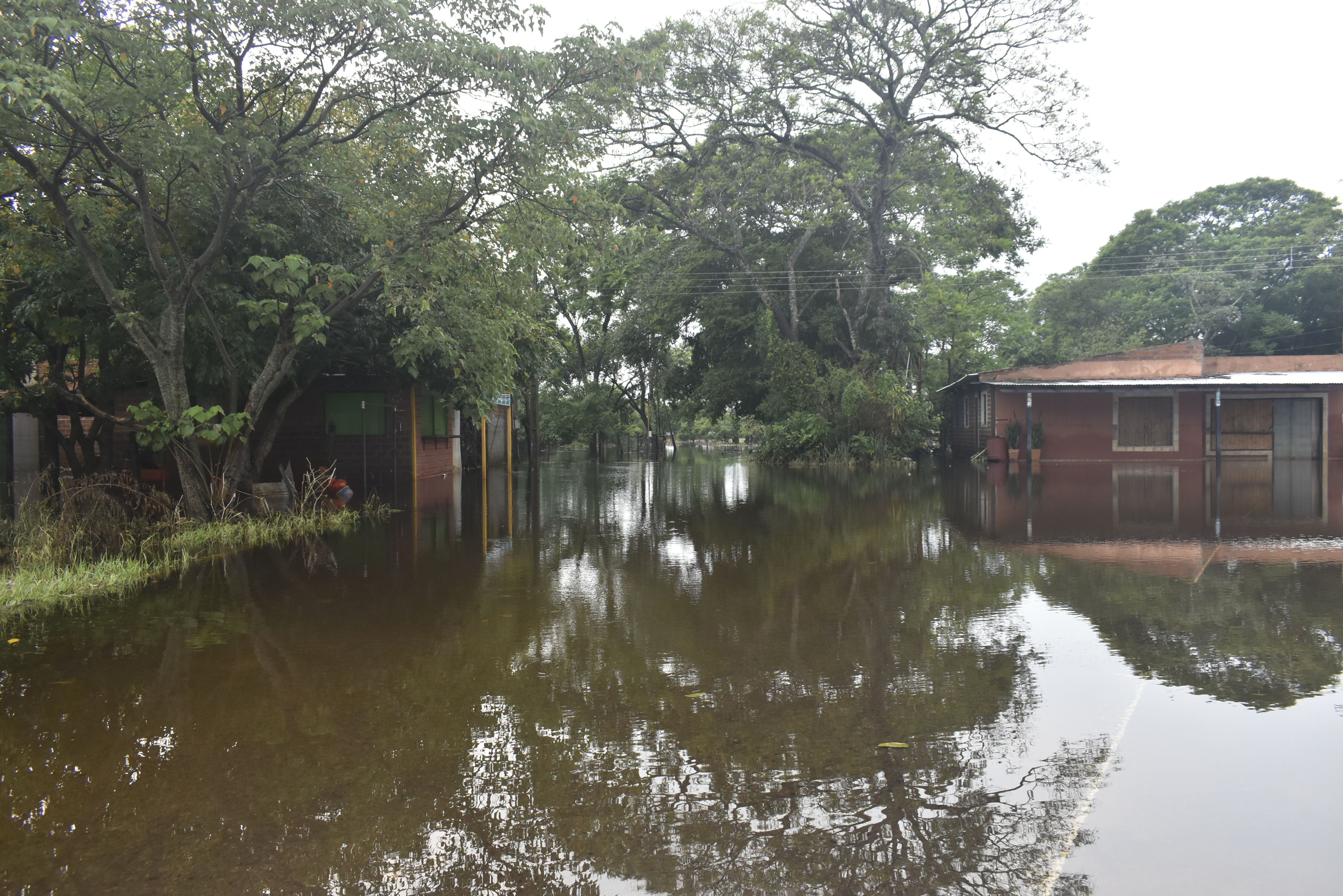
Misiones, Paraguay – The provincial government of Misiones is bracing for significant disruption as the El Niño climate phenomenon is predicted to intensify rainfall and cause river flooding from late winter through early summer 2027. Meteorological forecasts indicate that precipitation levels could reach between 400 and 500 millimeters monthly from October to December.
The head of Risk Management for the Misiones Governorate, Antonia Amarilla, warned that the situation is "not encouraging." She explained that the phenomenon's effects will be gradual, intensifying towards the end of winter and extending into early 2027, with October, November, and December being critical months. This surge in rainfall threatens riverside areas, urban centers, and agricultural lands.
The presence of the phenomenon will be gradual, especially towards the end of winter, and will extend until the beginning of summer 2027. The critical points would be between October, November, and December.
In response, the provincial government is urging all districts to establish Emergency Operations Centers (COE). These centers will consolidate support institutions and coordinate emergency actions, enabling a faster response to affected communities. Amarilla stressed the importance of municipalities developing contingency plans to provide rapid assistance and avoid delays in requesting aid.
Ayolas, Yabebyry, and Villa Florida are identified as particularly vulnerable to flooding from the Paraná and Tebicuary rivers, in addition to heavy rains. Other districts will also face impacts. Municipalities are advised to focus on cleaning drainage channels, maintaining roads, and preparing food and health assistance, alongside supporting local producers. Amarilla emphasized that each municipality must create risk management plans and risk maps to inform a departmental strategy for resource allocation.
The municipalities must develop their respective risk management plans to face the crises that will arise. Create a risk map of each area that allows us to know its reality and, based on that, develop a departmental plan to manage resources through national-level institutions.
DistantNews Editorial
Originally published by ABC Color in Spanish. Translated, summarized, and contextualized by our editorial team with added local perspective. Read our editorial standards.
More Stories
From Our Blog

What Gets Lost (and Found) When News Is Translated

The Critical Role of Diaspora Media in Global News

What Travellers Should Know About Countries with Restricted Press

A Digital Nomad's Guide to Following Local News

How the Same Story Looks Different in Different Countries
