


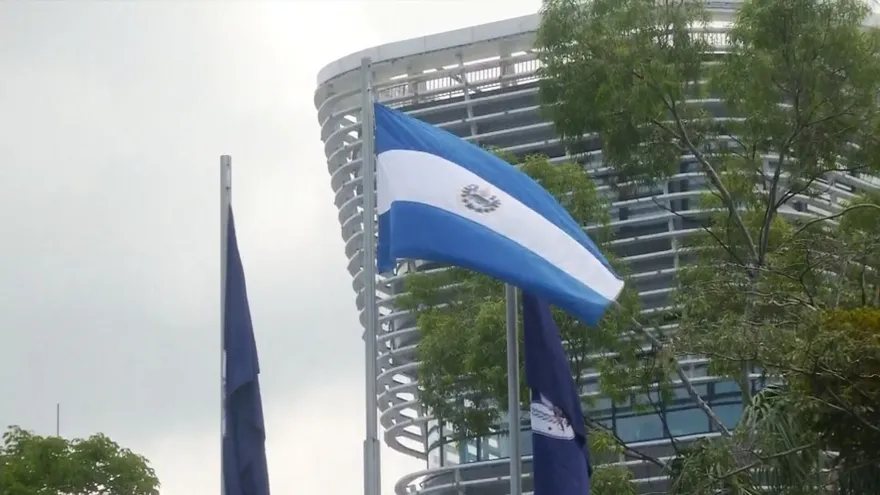
El Salvador declares maximum alert as intense El Niño-linked drought devastates crops
Translated from Spanish, summarized and contextualized by DistantNews.
At a glance
News
Official statement
Ongoing story
- El Salvador has declared a maximum alert due to a severe drought linked to the intensifying El Niño phenomenon.
- The drought has caused significant crop losses and is projected to be the most intense ever recorded, exacerbated by global warming.
- Authorities are implementing measures to monitor water sources, identify critical communities, and increase epidemiological surveillance.
El Salvador has declared a maximum alert across the nation due to a severe drought associated with the El Niño phenomenon, which is shaping up to be the most intense ever recorded and has already led to widespread crop damage.
The declaration mandates the monitoring of water sources and crops, identification of communities in critical situations, and enhanced epidemiological surveillance, according to Protección Civil. El Niño, a natural occurrence that raises surface temperatures in the Pacific Ocean, triggers global shifts in wind and rainfall patterns. When combined with human-induced global warming, the current El Niño event is predicted to be exceptionally severe, potentially causing extreme weather events worldwide and making 2027 the hottest year on record.
"Se declara alerta roja por sequía meteorológica y agrícola en todo el territorio nacional," Protección Civil announced on X. El Salvador, with a population of six million, is experiencing a widespread drought, and environmental authorities reported 14 temperature records were broken in August. The lack of expected rainfall has depleted water sources and damaged crops, prompting the Ministry of Agriculture to announce food assistance for affected families lacking irrigation systems.
The Salvadoran Chamber of Agriculture and Livestock Producers estimates a loss of approximately 20% in the first harvest of basic grains. Several municipalities in El Salvador are situated within the Central American Dry Corridor, a region prone to extreme climate events that also affects parts of Honduras and Nicaragua. In Honduras, drought has similarly caused crop losses, leading the government to place nearly 80% of the country on alert.
The UN World Food Programme has indicated that Central America is likely to be the most affected region in terms of relative increases in food insecurity due to El Niño. Globally, July marked the hottest month on record from Mexico to northern Brazil, with El Salvador, Nicaragua, and Honduras breaking their monthly temperature records in both June and July, intensifying fears of famine.
DistantNews Editorial
Originally published by TVN Panamá in Spanish. Translated, summarized, and contextualized by our editorial team with added local perspective. Read our editorial standards.
More Stories

From Our Blog

What Gets Lost (and Found) When News Is Translated

The Critical Role of Diaspora Media in Global News

What Travellers Should Know About Countries with Restricted Press

A Digital Nomad's Guide to Following Local News

How the Same Story Looks Different in Different Countries
