

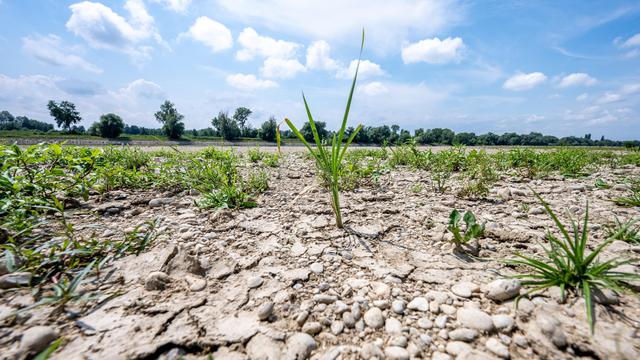
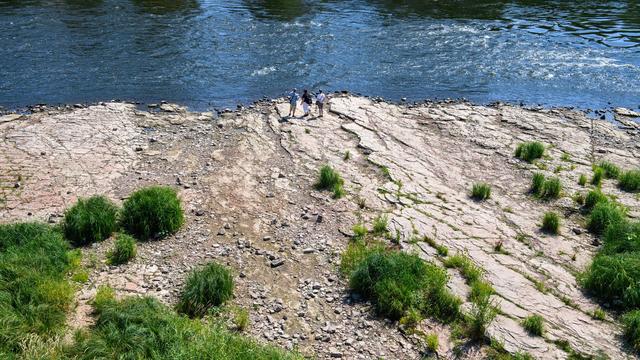
Elbe River water levels rise again after drought lows
Translated from German, summarized and contextualized by DistantNews.
At a glance
News
From a news agency
Context piece
- Water levels on the Elbe River in Germany have risen significantly after reaching historically low points due to drought.
- In Saxony and Saxony-Anhalt, water levels increased by 17 to 25 centimeters since Friday.
- The Elbe had reached a low of 34 centimeters in Magdeburg on Tuesday but rose to 54 centimeters by Saturday.
After enduring historically low water levels caused by prolonged drought, the Elbe River is showing signs of recovery, with significant increases reported in Saxony and Saxony-Anhalt. Water levels have risen notably since Friday, offering some relief to the region.
After the historically low water levels, the water on the Elbe is rising again significantly.
Data from the Federal Waterways and Shipping Administration indicates that water levels in both German states have climbed between 17 and 25 centimeters. For example, the Elbe at the Strombrücke in Magdeburg, which had hit a low of just 34 centimeters on Tuesday, saw its water level increase to 54 centimeters by Saturday. Similarly, in Torgau, Saxony, the water rose from 32 centimeters to 63 centimeters.
As data from the Federal Waterways and Shipping Administration shows, the water levels in Saxony and Saxony-Anhalt have risen by 17 to 25 centimeters in some places since Friday.
These rising levels are a welcome development after a period of severe drought that had drastically impacted the river's flow. The low water levels had previously affected shipping and ecosystems along the Elbe. The recent rainfall and subsequent rise in the river's depth suggest a temporary easing of the drought conditions in the affected areas.
While, for example, the Elbe at the Strombrücke in Magdeburg still reached a low of 34 centimeters on Tuesday, the water level was 54 centimeters on Saturday.
DistantNews Editorial
Originally published by Die Zeit in German. Translated, summarized, and contextualized by our editorial team with added local perspective. Read our editorial standards.
More Stories


From Our Blog

What Gets Lost (and Found) When News Is Translated

How the Same Story Looks Different in Different Countries

The Critical Role of Diaspora Media in Global News

What Travellers Should Know About Countries with Restricted Press

A Digital Nomad's Guide to Following Local News
