


Elderly women face higher risk of bleeding peptic ulcers, South Korean study finds
Translated from Korean, summarized and contextualized by DistantNews.
At a glance
News
Sources not specified
Context piece
- A South Korean study found that elderly women over 80 are at higher risk of developing bleeding peptic ulcers than men.
- This increased risk is linked to factors like decreased estrogen after menopause and long-term use of anti-inflammatory drugs for chronic conditions.
- Researchers recommend incorporating gender and hormonal status into future diagnostic and treatment guidelines for peptic ulcers.
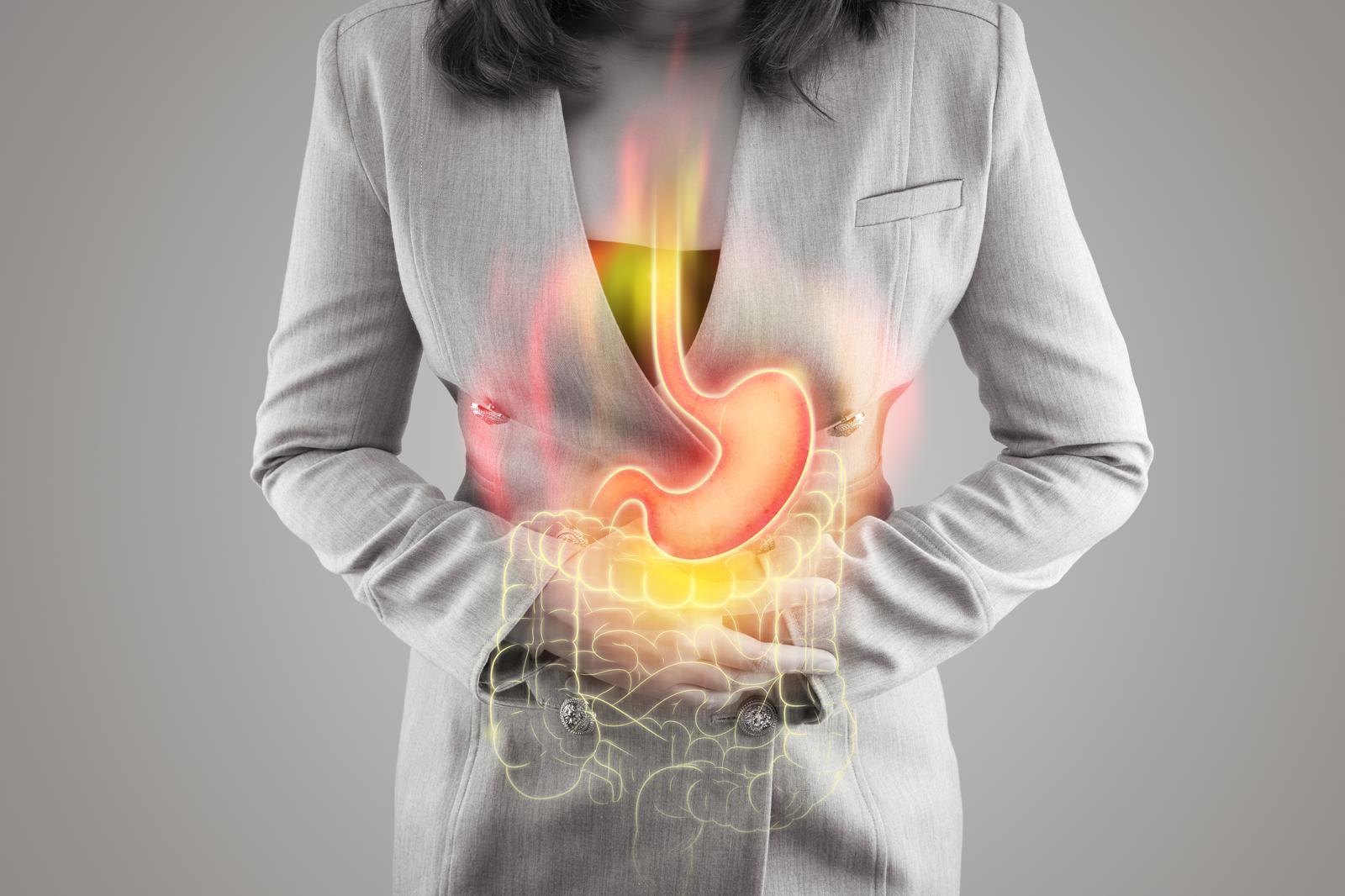
Contrary to the common perception that peptic ulcers are primarily a male ailment, new research from South Korea indicates a heightened risk for elderly women, particularly those over 80. A comprehensive analysis of 68 studies, published in the journal 'Gut and Liver,' revealed that older women face a greater incidence of bleeding peptic ulcers and a higher mortality rate compared to their male counterparts.
The study suggests that the rising number of elderly women taking non-steroidal anti-inflammatory drugs (NSAIDs) for chronic conditions like arthritis contributes significantly to this trend. These medications, while alleviating pain, can inhibit the production of protective substances in the stomach lining, thereby increasing ulcer risk. Notably, approximately 75% of NSAID users aged 65 and above in South Korea are women.
The current clinical guidelines for drug-induced peptic ulcers are being newly developed, and hormonal status such as gender and menopausal status are being considered as important variables.
Researchers identified a primary cause for this increased vulnerability in post-menopausal women: the decline in estrogen levels. Estrogen plays a crucial role in protecting the gastric and duodenal lining. Its reduction after menopause can weaken this protective effect, with studies showing women experiencing early menopause have a roughly 38% higher risk of peptic ulcers.
Further compounding the risk are increased use of antiplatelet or anticoagulant medications and a general decline in physical function associated with aging. The research team emphasized that current international clinical guidelines for peptic ulcers do not explicitly account for gender or menopausal status as official risk factors. They advocate for integrating these factors into future diagnostic and treatment protocols, particularly suggesting that elderly women, especially those on antiplatelet or anticoagulant therapy, may benefit from gastroprotective strategies like the use of proton pump inhibitors.
Especially for elderly women using antiplatelet or anticoagulant drugs, the risk of severe complications and death may be high. For women over 70, treatment considering gender-specific drug response differences along with gastroprotective strategies such as the use of gastric acid secretion inhibitors is necessary.
DistantNews Editorial
Originally published by Dong-A Ilbo in Korean. Translated, summarized, and contextualized by our editorial team with added local perspective. Read our editorial standards.
More Stories



From Our Blog

What Gets Lost (and Found) When News Is Translated

The Critical Role of Diaspora Media in Global News

What Travellers Should Know About Countries with Restricted Press

A Digital Nomad's Guide to Following Local News

How the Same Story Looks Different in Different Countries
