

Eleven child soldiers killed in Colombian guerrilla clashes
Translated from French, summarized and contextualized by DistantNews.
At a glance
News
Sources not specified
Context piece
- Eleven child soldiers were killed in clashes between rival FARC dissident factions in Colombia's Amazon region.
- The fighting in Guaviare department, fueled by cocaine production and illegal mining, resulted in 48 deaths, with 11 identified as minors.
- Colombia's president attempted peace negotiations, while a far-right candidate promises a tougher stance against armed groups.
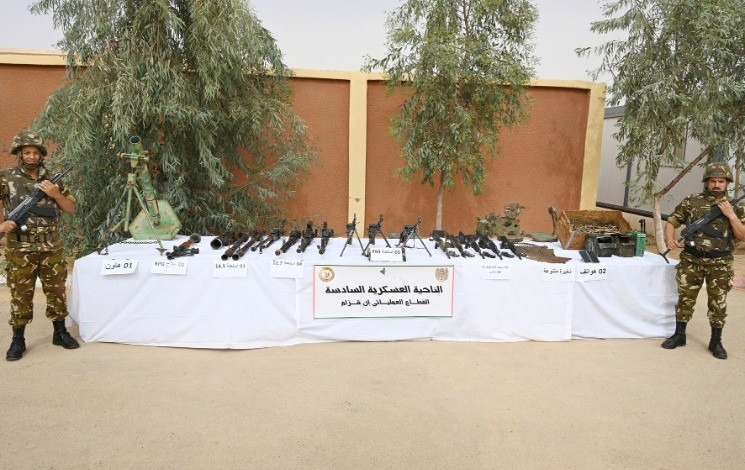
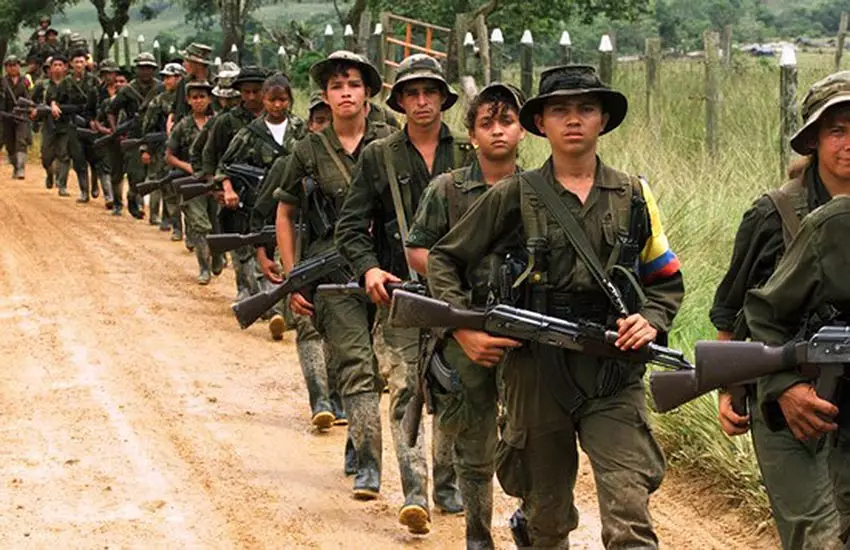
Eleven child soldiers died last week in clashes between rival FARC dissident factions in Colombia's Amazon region, according to the forensic authority. The fighting, primarily between the factions led by Ivan Mordisco and alias Calarca, has claimed 48 lives in Guaviare department. This region is a key area for disputes over cocaine production and illegal mining revenues.
The Institute of Legal Medicine confirmed that 11 of the deceased combatants were minors after recovering the bodies. Five bodies remained unidentified. "It is terrible that people who represent Colombia's future are killing each other," Ariel Cortés, director of the Institute of Legal Medicine, lamented on Blu Radio. Many minors are recruited by armed groups in Colombia; the ombudsman's office reported 386 in 2025. Humanitarian organizations note that recruitment often occurs via social media in remote areas with limited state presence.
"We are sacrificing children to whom we deny their right to a better future," stated Iris Marín, the ombudsman, on X. The outgoing leftist President Gustavo Petro had unsuccessfully sought to negotiate the disarmament of Colombian guerrillas. The far-right candidate, who advanced to the June 21 presidential runoff, has vowed to combat armed groups decisively. He argued that "the state cannot stop" when children are used as "shields," calling it a "leftist sophism" and asserting the state's constitutional duty to use force. His leftist rival, Ivan Cepeda, advocates continuing the dialogue.
Separately, President Petro announced a slight decrease in coca cultivation in Colombia, the world's leading cocaine producer. He reported 258,000 hectares in 2025, falling to 253,358 hectares by early 2026. However, this figure remains higher than at the start of his term in 2022, showing a 16% increase over four years. These figures align with the UN Office on Drugs and Crime's 2023 report, though Petro has criticized the UN agency's methodology.
DistantNews Editorial
Originally published by El Watan in French. Translated, summarized, and contextualized by our editorial team with added local perspective. Read our editorial standards.
More Stories
From Our Blog

What Gets Lost (and Found) When News Is Translated

The Critical Role of Diaspora Media in Global News

What Travellers Should Know About Countries with Restricted Press

A Digital Nomad's Guide to Following Local News

How the Same Story Looks Different in Different Countries
