

Emergency psychologists offer solace to Venezuelan earthquake victims
Translated from Spanish, summarized and contextualized by DistantNews.
At a glance
In-depth
Sources not specified
Outcome reported
- Emergency psychologists are providing free support to victims of recent earthquakes in Venezuela, which caused widespread destruction and loss of life.
- Survivors are experiencing severe post-traumatic effects, including persistent tremors, sleep disturbances, and survivor's guilt.
- Organizations like Premiere Urgence are offering emotional and psychological aid in makeshift outdoor settings to help victims cope with immense grief and loss.
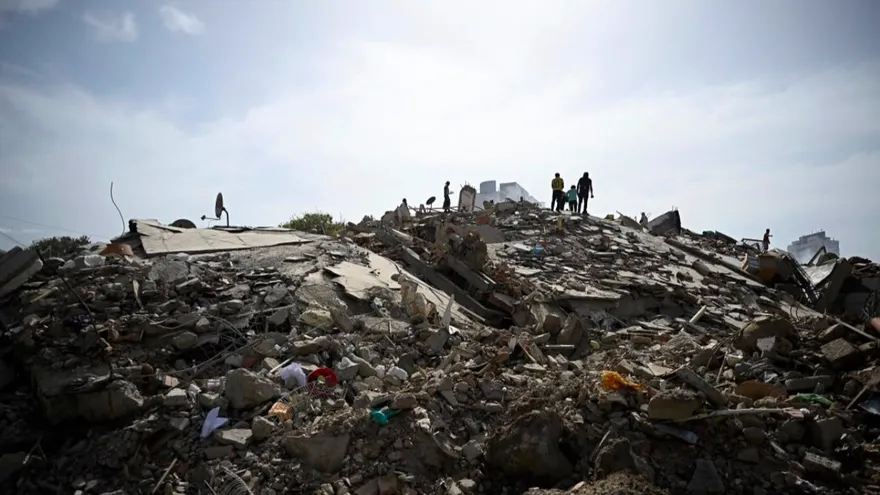
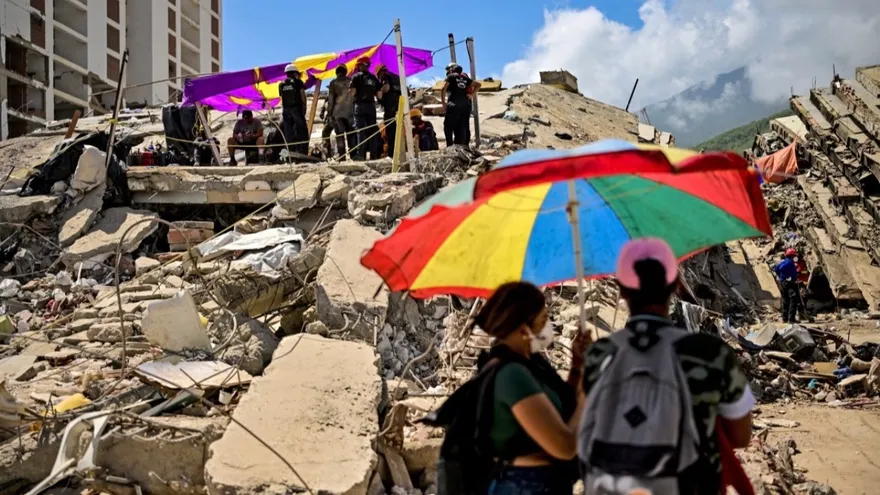
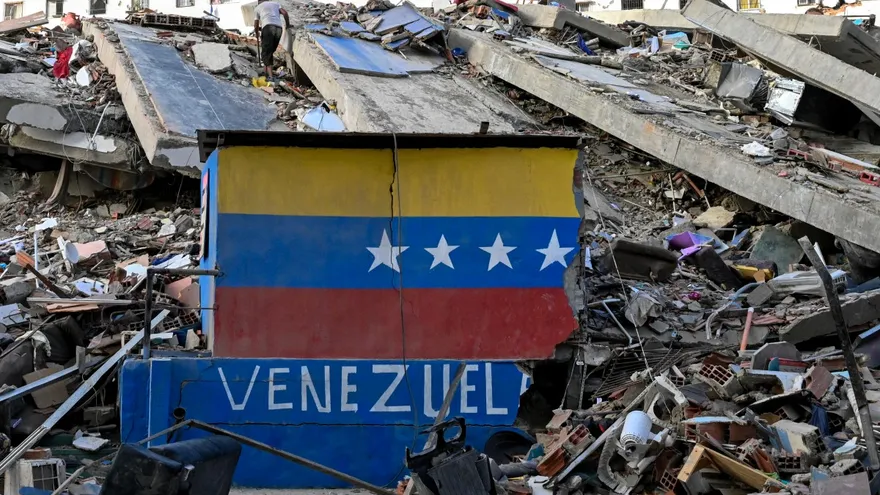
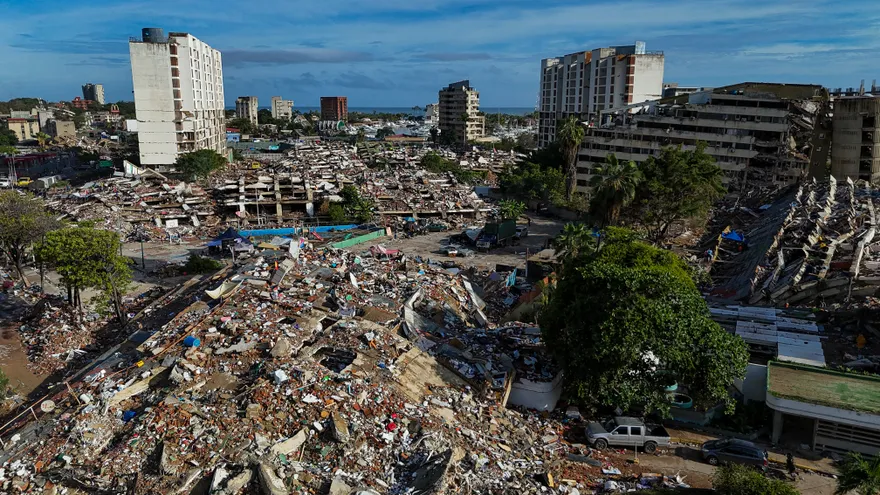
In the aftermath of devastating earthquakes that struck Venezuela on June 24th, emergency psychologists are offering crucial support to survivors grappling with immense loss and trauma. The tremors, measuring 7.2 and 7.5 magnitude, left over 3,600 dead and destroyed homes, particularly in the state of La Guaira.
This affects one greatly. What happened is big. It's not easy. It's difficult to lose everything in a matter of seconds. To lose them so easily, so quickly, I don't know.
Daniela López, a 40-year-old survivor who lost four children, her mother, and two siblings, shared her experience while receiving psychological aid. "This affects one greatly. What happened is big. It's not easy. It's difficult to lose everything in a matter of seconds," she said, visibly distressed. López, who was rescued from the rubble after three hours with a severe back injury, has chosen to remain near her destroyed home despite hospitalization recommendations, wanting to stay until her family's bodies are recovered.
We provide emotional and psychological support to the earthquake's surviving victims.
Alexander Apostol, a 31-year-old psychologist with the NGO Premiere Urgence, is part of a team providing free emergency psychological assistance. He explained their role: "We provide emotional and psychological support to the earthquake's surviving victims." Apostol noted that many survivors struggle to articulate their feelings, often fearing they might overwhelm others. The outdoor sessions, conducted under makeshift conditions, sometimes on beach chairs or leaning against walls, aim to create a safe space for victims to feel heard and validated.
Coming here and talking about these things makes them feel heard, emotionally validated.
Survivors are exhibiting significant post-traumatic symptoms, including a persistent feeling that the ground is still shaking, difficulty sleeping, and intense fear of returning to damaged buildings. Apostol described their state as experiencing "multiple griefs", mourning the loss of homes, loved ones, and even pets. He stressed the importance of emotional release, warning that suppressing emotions can have severe negative effects on both mental and physical health. Raissa Oropeza, 62, who was with her three-year-old grandson during the quakes, reported feeling relieved after an initial consultation, highlighting the immediate need for such services.
They are going through 'multiple griefs,' because it is the grief of losing their homes, grief for loved ones, grief for pets.
DistantNews Editorial
Originally published by TVN Panamá in Spanish. Translated, summarized, and contextualized by our editorial team with added local perspective. Read our editorial standards.
More Stories
From Our Blog

What Gets Lost (and Found) When News Is Translated

The Critical Role of Diaspora Media in Global News

What Travellers Should Know About Countries with Restricted Press

A Digital Nomad's Guide to Following Local News

How the Same Story Looks Different in Different Countries
