

'No Way Out,' Says Award-Winning Venezuelan Filmmaker Mariana Rondón After Earthquakes
Translated from Spanish, summarized and contextualized by DistantNews.
At a glance
Interview
Named sources
Ongoing story
- Award-winning Venezuelan filmmaker Mariana Rondón expresses deep despair over her country's situation, exacerbated by recent earthquakes.
- She feels there is "no way out" for Venezuela, citing ongoing suffering and lack of internal or external solutions.
- Rondón's latest film, "Aún es de noche en Caracas," reflects the country's political collapse and fragility.
Award-winning Venezuelan filmmaker Mariana Rondón described her country's situation as dire, stating "there is no way out" following recent devastating earthquakes. Speaking in Bogotá, she conveyed a profound sense of hopelessness, noting that Venezuela was already devastated before the tremors struck.
in this moment it is very difficult to talk about hope... there is no way out.
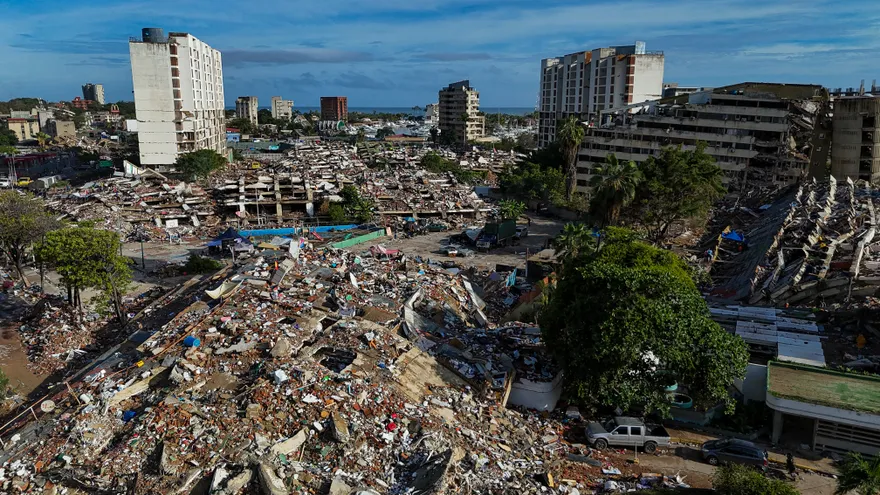
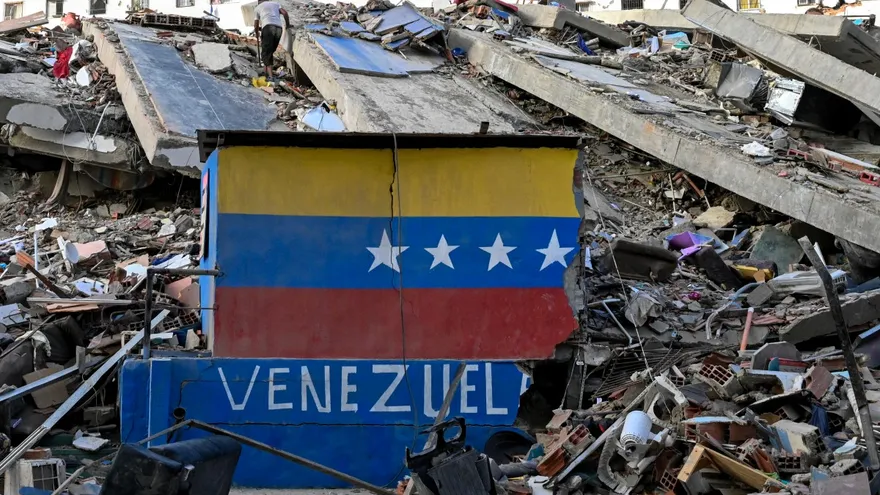
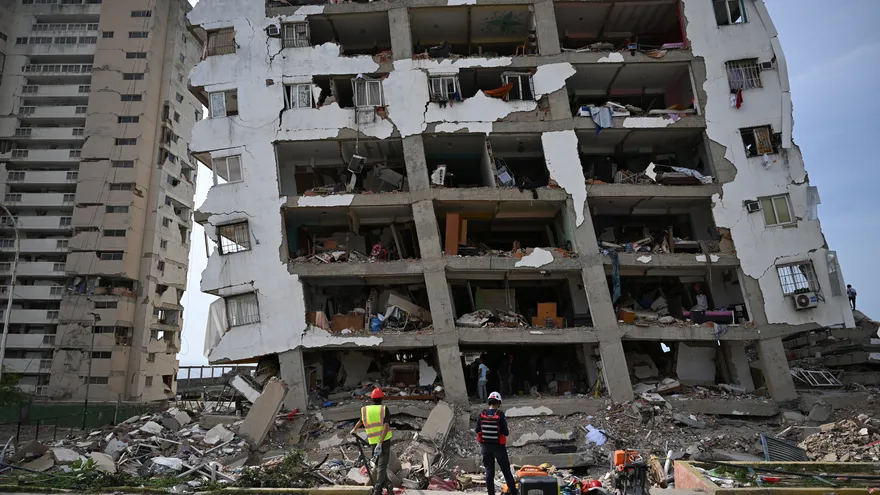
Rondón, who won the Golden Shell at the San Sebastián Film Festival in 2013, spoke with sadness about the earthquakes that struck the state of La Guaira weeks prior, causing over 3,500 deaths. She admitted to being deeply affected, constantly viewing images of desperation and rescue efforts amidst the ruins. "It is very difficult because, no, there is no way out," she stated. "We are only becoming more pained, more wounded, and without prospects of where to go. There is no external solution that can alleviate us, but neither is there one from within."
It is very difficult because, no, there is no way out. We are only becoming more pained, more wounded, and without prospects of where to go. There is no external solution that can alleviate us, but neither is there one from within.
Her latest film, "Aún es de noche en Caracas," co-directed with Peruvian filmmaker Marité Ugás, explores political collapse in Venezuela and has become eerily relevant. The film, based on Karina Sainz Borgo's novel, depicts the loss experienced in a crumbling nation. Rondón explained that the actors underwent intense rehearsals to convey the feeling of one's daily life disintegrating, allowing viewers to understand the profound sense of breakdown.
I believe there is one thing (...) that became clear in the earthquake and is clear in the film, and that is that we are alone. We have to work together (...) to be able to survive, to be able to move that country forward.
Despite not being officially approved for theatrical release in Venezuela, the film resonates with the millions of migrants who have fled the country's crisis. Rondón emphasized that the film speaks to a universal experience of fragile democracies susceptible to populism, which can shatter social fabric and lead to violence. "I believe there is one thing... that became clear in the earthquake and is clear in the film, and that is that we are alone," Rondón said. "We have to work together... to survive, to move that country forward."
a world where democracy is so fragile that at any moment everything breaks, where populisms (...) can shatter the entire social fabric and begin to subject people to an extremely violent world.
DistantNews Editorial
Originally published by TVN Panamá in Spanish. Translated, summarized, and contextualized by our editorial team with added local perspective. Read our editorial standards.
More Stories
From Our Blog

What Gets Lost (and Found) When News Is Translated

The Critical Role of Diaspora Media in Global News

What Travellers Should Know About Countries with Restricted Press

A Digital Nomad's Guide to Following Local News

How the Same Story Looks Different in Different Countries
