



End of 'pension at 63' essential for reform, says DIW chief
Translated from German, summarized and contextualized by DistantNews.
At a glance
News
Sources not specified
New plan
- DIW President Marcel Fratzscher advocates for ending the "Rente mit 63" (pension at 63) without deductions as a crucial financial element of planned pension reforms.
- Fratzscher estimates ending this early retirement option could save nearly 10 billion euros annually and create 125,000 additional jobs per pensioner year.
- Eastern German state premiers have criticized the proposal, defending the right to retire at 63 after 45 years of contributions, while federal leaders from the CDU and SPD express differing views on implementing the commission's recommendations.
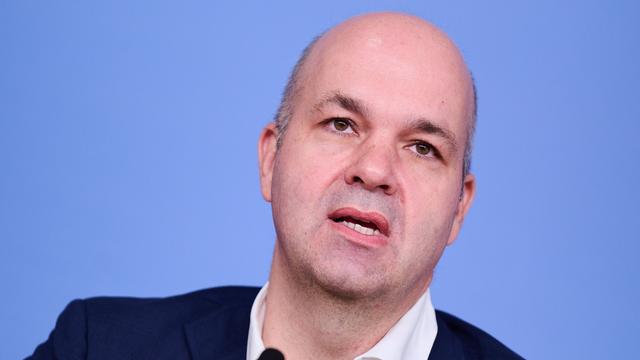
The head of Germany's influential DIW economic institute, Marcel Fratzscher, has declared the abolition of early retirement without deductions at age 63 as financially indispensable for planned pension reforms. He argues that without this measure, the entire reform package is effectively dead on arrival.
Fratzscher estimates that ending the "Rente mit 63" could generate significant long-term savings, potentially close to 10 billion euros per year. Furthermore, he projects that this change could lead to approximately 125,000 more individuals remaining in the workforce per pensioner year. He warned that failing to implement this change would force the federal government to completely overhaul the financing of the statutory pension system. Without it, he added, there would be an even greater redistribution of wealth from younger generations to older ones, and from lower-income individuals to higher earners, as the "Rente mit 63" disproportionately benefits those with better salaries and men, while offering less to those at risk of old-age poverty.
The abolition of the pension at 63 is a central and financially the most important element of the planned pension reform. Without this element, the pension reform is dead.
However, the proposal faces strong opposition from some political quarters. The three eastern German CDU state premiers, Michael Kretschmer (Saxony), Sven Schulze (Saxony-Anhalt), and Mario Voigt (Thuringia), have publicly criticized the recommendation. In a letter to the federal government, they defended the principle of retiring without deductions after 45 years of contributions, stating, "Anyone who has paid in for 45 years has paid in enough. We will not give up this principle."
This dissent has created ripples within the governing coalition. While Chancellor Friedrich Merz (CDU) and Labor Minister Bärbel Bas (SPD) had initially announced their intention to fully implement the pension commission's recommendations, Bas has since indicated that the proposal is not a "wish project" for her and that she is open to reconsidering parts of the package if there is consensus, particularly from the CDU. Leading figures in the CDU, such as parliamentary group leader Thorsten Frei and party general secretary Andrea Lindholz, have emphasized the need to adhere to the agreed-upon changes.
Anyone who has paid in for 45 years has paid in enough. We will not give up this principle.
DistantNews Editorial
Originally published by Die Zeit in German. Translated, summarized, and contextualized by our editorial team with added local perspective. Read our editorial standards.
More Stories

From Our Blog

What Gets Lost (and Found) When News Is Translated

How the Same Story Looks Different in Different Countries

The Critical Role of Diaspora Media in Global News

What Travellers Should Know About Countries with Restricted Press

A Digital Nomad's Guide to Following Local News
