


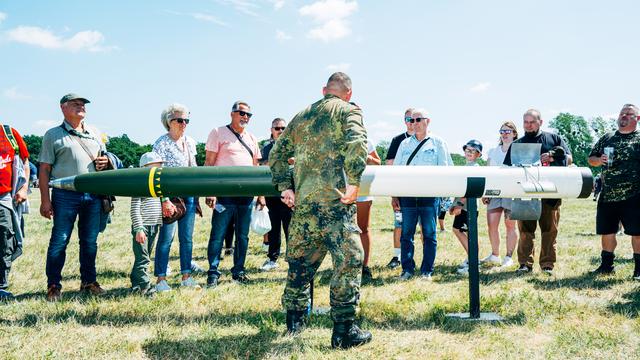
Germany Debates Military Spending vs. Social Cuts Amid Budget Concerns
Translated from German, summarized and contextualized by DistantNews.
At a glance
News
Sources not specified
Context piece
- German politicians and commentators are increasingly questioning increased military spending and aid to Ukraine.
- Critics argue that budget plans for 2027 prioritize military equipment over social programs and children's needs.
- This shift in discourse reflects growing public concern about the financial burden of defense spending amidst social cuts.
A debate is intensifying in Germany over the government's budget plans for 2027, which critics argue prioritize military buildup and aid to Ukraine at the expense of social welfare. While populist politicians like the AfD's Tino Chrupalla have long criticized spending on "tanks instead of children," and Sahra Wagenknecht has advocated for funding schools over "overpriced war equipment," similar sentiments are now being voiced by a broader spectrum of the public and political commentators.
invests rather in tanks than children
Even figures previously seen as supportive of Ukraine, like talk show host Markus Lanz, have publicly questioned the direction of German policy. Lanz recently asked in his podcast if Germany was "arming itself into ruin" and whether the planned federal budget constituted an "impoverishment program at the expense of our children." This growing unease stems from the simultaneous increase in defense spending and proposed cuts to social expenditures, a combination many find deeply concerning.
for overpriced war equipment
The juxtaposition of increased military budgets and reduced social spending has sparked widespread criticism. Many Germans appear to be questioning the financial sustainability and societal impact of these policies. The discourse suggests a significant shift in public opinion, moving away from unquestioning support for defense initiatives towards a greater emphasis on domestic social needs and the well-being of future generations.
are we arming ourselves into ruin
DistantNews Editorial
Originally published by Die Zeit in German. Translated, summarized, and contextualized by our editorial team with added local perspective. Read our editorial standards.
More Stories

From Our Blog

What Gets Lost (and Found) When News Is Translated

How the Same Story Looks Different in Different Countries

The Critical Role of Diaspora Media in Global News

What Travellers Should Know About Countries with Restricted Press

A Digital Nomad's Guide to Following Local News
