


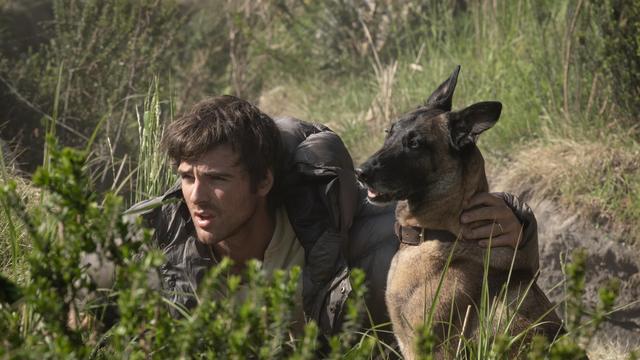
End of the Stars: Should humanity survive alone or together?
Translated from German and summarized by DistantNews. Read the original for the full story.
At a glance
In-depth
Sources not specified
Context piece
- Ridley Scott's new science fiction film, "End of the Stars," depicts post-apocalyptic scenes from above.
- The film follows a pandemic survivor, Hig, as he flies over landscapes with elegiac music.
- It explores themes of solitary versus collective survival in a world without humans.
Ridley Scott's latest science fiction film, "End of the Stars," offers a visually striking, albeit disturbing, perspective on a post-apocalyptic world.
The film presents expansive aerial views of landscapes reclaimed by nature, where grass and bushes break through asphalt, trees grow from gas stations, and vines engulf buildings. Burned-out cars are piled high on highways, creating a tableau of humanity's absence.
Through the eyes of Hig, a survivor of a pandemic, played by Jacob Elordi, the audience soars over cities and countryside in a small plane. This journey is set to elegiac music, lending the catastrophic scenery an almost promotional quality, as if showcasing a world thriving without its former dominant species.
The film prompts reflection on fundamental questions of existence: Is it better for humanity to survive alone, or together? Scott's cinematic vision forces viewers to confront the potential resilience of the planet in the absence of human interference, while simultaneously examining the human drive for survival and connection.
About this summary
Originally published by Die Zeit in German. Translated, summarized, and contextualized automatically by DistantNews, with a note on how the source frames the story. Not individually reviewed before publishing. How this works.
More Stories


From Our Blog

What Gets Lost (and Found) When News Is Translated

How the Same Story Looks Different in Different Countries

The Critical Role of Diaspora Media in Global News

What Travellers Should Know About Countries with Restricted Press

A Digital Nomad's Guide to Following Local News
