


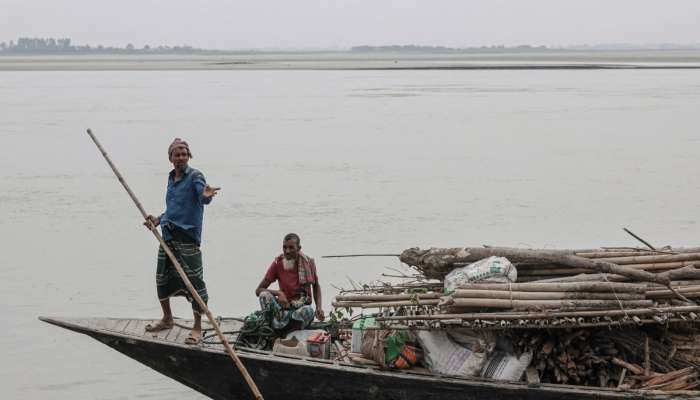
Energy crisis disrupts waterway transport in Bangladesh
Summarized and contextualized by DistantNews.
TLDR
- Bangladesh's waterway transport is experiencing disruptions due to the conflict in West Asia, leading to rising costs and public suffering.
- The government is struggling to meet the demand for diesel and lubricants required for vessels.
- Vessel owners face significant difficulties operating due to a 40% reduction in fuel supply and a 15 Taka per litre increase in diesel prices.
The ongoing conflict in West Asia has cast a long shadow over Bangladesh, severely disrupting its vital waterway transport system. This disruption is not merely an inconvenience; it translates into tangible suffering for the populace, marked by escalating costs and a general difficulty in accessing essential goods and services that rely on riverine transportation.
We need between 200,000 and 300,000 litres of diesel per day just for the vessels based in Dhaka
Bangladesh Inland Waterways Association President Badiuzzaman Badal highlighted the critical fuel shortage, stating that the government is unable to meet the daily demand for diesel and lubricants. Vessels operating both in Dhaka and across other regions require substantial amounts of fuel, with some consuming up to 700 liters per day. The current supply is reportedly 40% below demand, forcing vessel owners into a precarious situation. Compounding the issue, the price of diesel has surged by 15 Taka per liter, further straining operational budgets.
We are not receiving sufficient diesel supply from the government, and as a result, we are facing a lot of difficulty in operating the vessels
This fuel crisis directly impacts the daily lives of many Bangladeshis. With 450 passenger vessels nationwide, and thousands of passengers relying on them daily, particularly from terminals like Sadarghat in Dhaka, the reduction in trips due to fuel shortages means reduced mobility and increased travel costs. From a Bangladeshi perspective, this situation underscores the nation's vulnerability to global energy market fluctuations and geopolitical events. The reliance on waterways for transport means that such disruptions have a cascading effect on the economy and the livelihoods of ordinary citizens, making energy security and stable fuel supply a matter of national importance.
However, there is currently a 40% reduction in supply compared to demand. As a result, vessel owners are struggling significantly.
DistantNews Editorial
Originally published by Times of Oman. Summarized and contextualized by our editorial team with added local perspective. Read our editorial standards.
More Stories



From Our Blog

What Gets Lost (and Found) When News Is Translated

The Critical Role of Diaspora Media in Global News

What Travellers Should Know About Countries with Restricted Press

A Digital Nomad's Guide to Following Local News

How the Same Story Looks Different in Different Countries
