


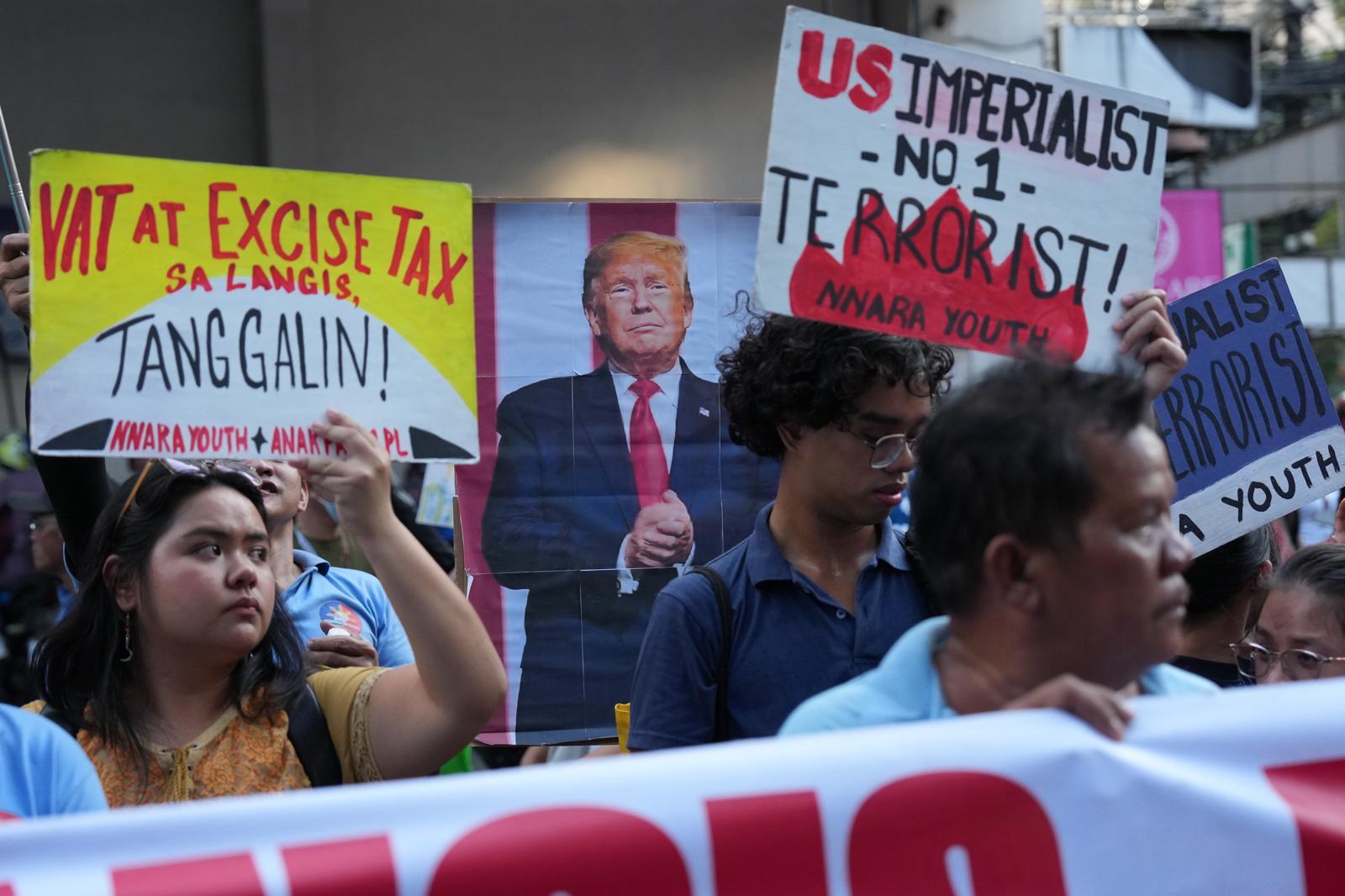
Energy Hoarding by Rich Nations Worsens Plight of Developing Countries Amidst Conflict
Translated from Korean, summarized and contextualized by DistantNews.
TLDR
- Wealthy nations are engaging in energy hoarding amid the Iran-Israel conflict, exacerbating shortages and price hikes for developing countries.
- This "energy hoarding" mirrors the "vaccine hoarding" seen during the COVID-19 pandemic, with richer countries securing supply and driving up prices.
- Countries like the Philippines, Sri Lanka, and Myanmar are implementing emergency measures, including fuel rationing and reduced working hours, to cope with the crisis.
The escalating conflict between Iran and Israel has triggered a global energy crisis, but the fallout is far from uniform. While developed nations with robust financial capabilities are actively securing their energy supplies, often through aggressive procurement, developing countries are left to grapple with severe shortages and soaring prices. This stark contrast highlights a widening global economic divide, reminiscent of the inequities witnessed during the COVID-19 pandemic's vaccine distribution.
Some countries even hoarded the chemicals needed for vaccines during the COVID-19 pandemic. The system built after World War II was based on the premise that borders are no longer important, but as national hoarding begins, borders are becoming important again.
Reports indicate that major economic powers, including the United States, China, Europe, and Japan, are prioritizing their energy needs by securing vast quantities of oil and limiting exports. This strategy, driven by immense capital, effectively sidelines less affluent nations. The situation is particularly dire for countries heavily reliant on energy imports, such as the Philippines, which has declared a state of national emergency due to skyrocketing gasoline prices. Measures like reduced workweeks and fuel subsidies are being implemented as desperate responses.
Even Japan, a developed nation, is taking extraordinary steps, with Prime Minister Sanae Takaichi personally engaging in securing oil supplies from Mexico. This move, while framed as a strategic diversification away from Middle Eastern sources, underscores the lengths to which nations will go to ensure energy security. Meanwhile, nations in Asia, Latin America, and Africa are facing unprecedented energy challenges, with some reviving rationing systems not seen since the 1970s oil shocks. This "law of the jungle" in global energy markets, as described by experts, leaves the most vulnerable populations bearing the brunt of the crisis.
It has become a scene of the law of the jungle.
This phenomenon is not merely an economic issue; it's a reflection of a global system where national interests often supersede collective well-being. The hoarding of essential resources, whether energy or vaccines, demonstrates a return to a more nationalistic approach to global challenges. International organizations are calling for restraint, but the immediate reality for many developing nations is one of survival, forcing them into drastic measures to manage dwindling resources. The disparity in response capabilities between wealthy and developing nations is starkly exposed, raising critical questions about global solidarity and equitable resource distribution in times of crisis.
Each country has entered survival mode.
DistantNews Editorial
Originally published by Dong-A Ilbo in Korean. Translated, summarized, and contextualized by our editorial team with added local perspective. Read our editorial standards.
More Stories


From Our Blog

What Gets Lost (and Found) When News Is Translated

The Critical Role of Diaspora Media in Global News

What Travellers Should Know About Countries with Restricted Press

A Digital Nomad's Guide to Following Local News

How the Same Story Looks Different in Different Countries
