


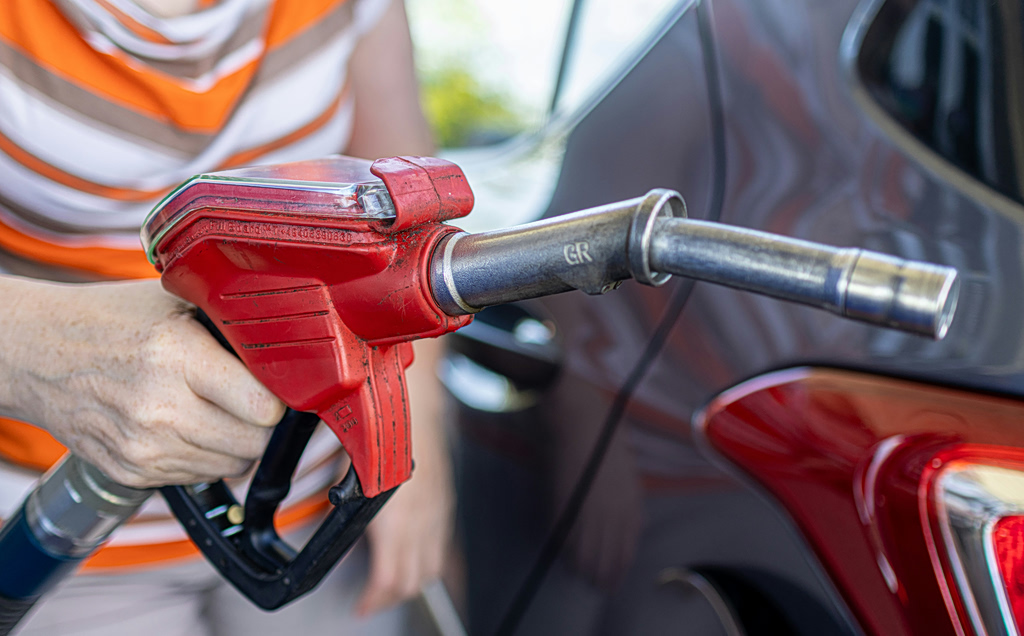
Energy Prices Surge as Persian Gulf Tensions Escalate; Gasoline Nears 2 Euros Per Liter
Translated from Greek, summarized and contextualized by DistantNews.
At a glance
News
Named sources
Context piece
- Energy prices are rising significantly due to increased tensions in the Persian Gulf.
- Oil prices have surpassed $90 per barrel, a notable increase from previous weeks.
- Gasoline prices in Greece are approaching 2 euros per liter, with further increases expected.
Rising tensions in the Persian Gulf are sending shockwaves through global energy markets, causing oil prices to surge. Brent crude has climbed above $90 a barrel, reaching approximately $91-92, a significant jump from around $78 just two weeks prior. This increase of about $13 per barrel is beginning to impact retail prices.
In Greece, the price of unleaded gasoline, before VAT, stands at roughly 1.45 euros per liter, translating to about 1.81 euros with VAT. Diesel prices are at similar levels. State subsidies are currently helping to keep the average price just below 2 euros per liter, but prices in island and remote areas have already exceeded this threshold.
Analysts predict a continued upward trend in energy prices. Refineries have already increased their prices by 1-1.5 cents since mid-August, a rise expected to be reflected at the pump soon. It is therefore possible that the average price of unleaded gasoline will soon surpass 2 euros per liter again. Gas station owners anticipate stable prices with a slight upward tendency rather than dramatic increases or decreases.
Natural gas prices are also on the rise, affecting both households and electricity producers. The price of natural gas is now nearing 62 euros per megawatt-hour, one of the highest levels since the Middle East conflict began. This marks a significant increase from around 40 euros per megawatt-hour in June. This situation raises concerns for the upcoming winter, as Europe works to replenish its natural gas reserves. Increased demand could further pressure prices upward. Unless tensions in the Persian Gulf de-escalate significantly, energy costs are likely to remain high in the coming weeks.
DistantNews Editorial
Originally published by Ta Nea in Greek. Translated, summarized, and contextualized by our editorial team with added local perspective. Read our editorial standards.
More Stories


From Our Blog

What Gets Lost (and Found) When News Is Translated

The Critical Role of Diaspora Media in Global News

What Travellers Should Know About Countries with Restricted Press

A Digital Nomad's Guide to Following Local News

How the Same Story Looks Different in Different Countries
