

Enhanced Games: Bread and Circuses – And Who Pays the Bill?
Translated from German, summarized and contextualized by DistantNews.
At a glance
Analysis
Named sources
Context piece
- The "Enhanced Games," which allowed doping, have prompted organized sports to reconsider athlete compensation.
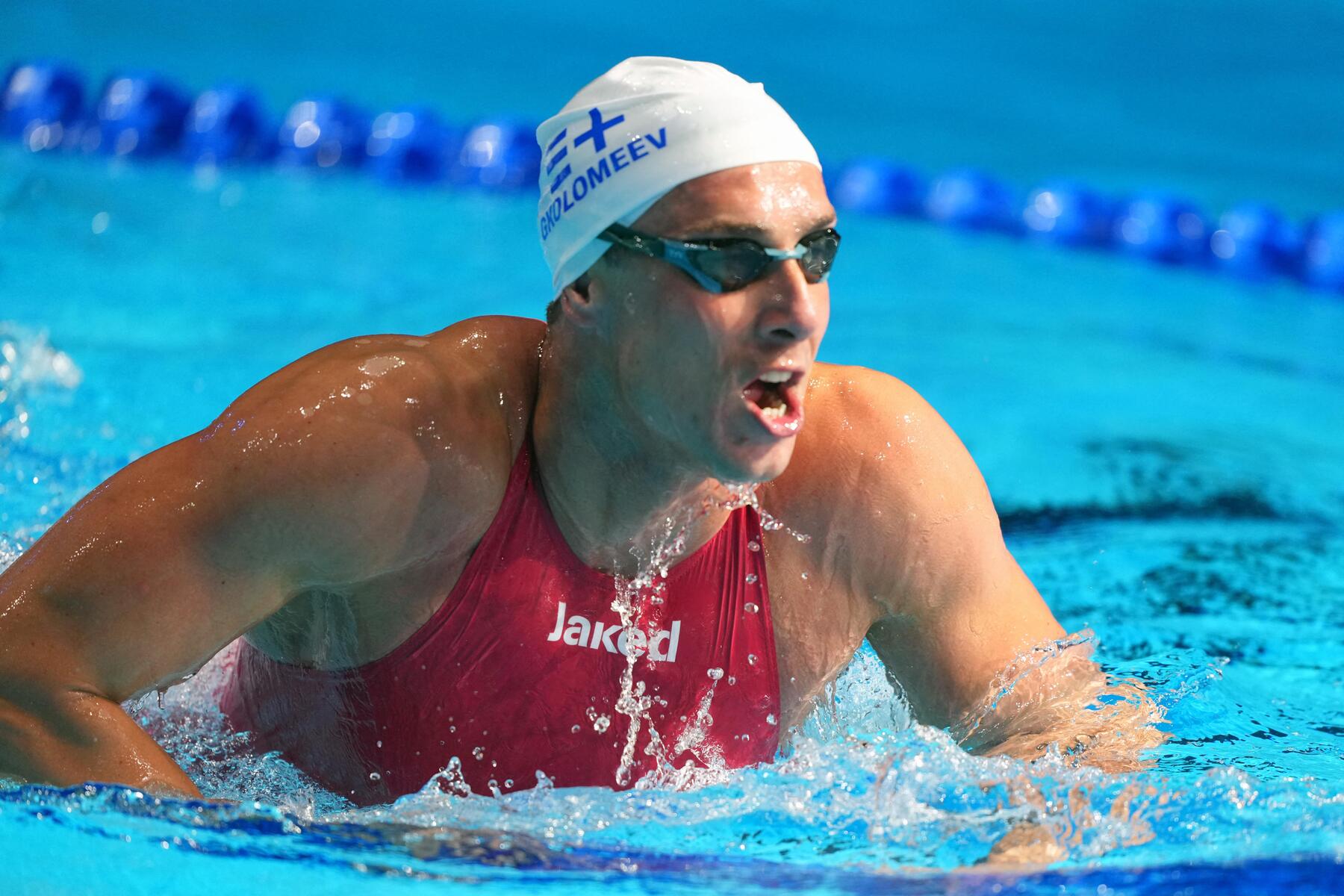
- Only one world record was broken: Kristian Gkolomeev in the 50m freestyle, though the record's official status is questionable.
- Financially, the games were successful, offering athletes thousands in salary and $250,000 in prize money, highlighting a weakness in Olympic sports funding.
The recent "Enhanced Games," which controversially permitted doping, have served as a catalyst, forcing the world of organized sports to confront the issue of athlete compensation. While the sporting spectacle itself was questionable, it undeniably brought financial disparities in athletics to the forefront.
Why did such 'doping games' have to take place for organized sports to start talking consistently about paying their athletes?
From a purely athletic standpoint, the "Enhanced Games" were not the revolution they claimed to be. Only one world record was officially broken: Greek swimmer Kristian Gkolomeev in the 50-meter freestyle. However, even this record's official standing is debated, as it was set under conditions not recognized by traditional sporting bodies.
For years, athletes were told that the honor of competing for their country was enough reward for their hard work.
Financially, however, the event proved compelling. Athletes received substantial rewards, including a base salary of several thousand dollars and a $250,000 prize for winners. This financial success underscores a persistent weakness within the Olympic movement: the inadequate compensation of its athletes, who are often told that the honor of competing is reward enough.
You don't have to approve of the Enhanced Games to recognize that the financial aspect is a weak point of Olympic-organized sports.
The International Olympic Committee (IOC) has announced plans to provide a $10,000 subsidy to Olympic participants, funded by a quadrennial fund. This move, while seemingly progressive, comes after years of prioritizing massive broadcast rights deals and sponsorships over direct athlete remuneration. The timing suggests that the "Enhanced Games," despite their dubious nature, acted as a much-needed wake-up call for the IOC, demonstrating that athlete payment models require urgent attention.
One can call it learning ability. One can also call it pressure. It is probably both.
DistantNews Editorial
Originally published by Die Presse in German. Translated, summarized, and contextualized by our editorial team with added local perspective. Read our editorial standards.
More Stories


From Our Blog

What Gets Lost (and Found) When News Is Translated

The Critical Role of Diaspora Media in Global News

What Travellers Should Know About Countries with Restricted Press

A Digital Nomad's Guide to Following Local News

How the Same Story Looks Different in Different Countries
