


Ensure legal recourse for state-imposed punishments
Summarized and contextualized by DistantNews.
At a glance
News
Named sources
Outcome reported
- A ride-hailing driver's self-immolation in Kathmandu highlights a systemic lack of legal recourse in Nepal.
- The incident was triggered by a small fine but stemmed from a "Kafkaesque legal environment" where police authority is often absolute.
- Activists and lawmakers point to the misuse of 'indecent behaviour' charges and a legislative void that prevents citizens from challenging state-imposed penalties.
The tragic self-immolation of Ganesh Nepali, a 25-year-old ride-hailing driver in Kathmandu, has brought to light a severe systemic issue in Nepal: the lack of legal recourse for citizens facing state-imposed punishments. While a thousand-rupee fine was the immediate catalyst, the underlying cause was a legal environment where the word of a police officer is often final, and the right to appeal is virtually nonexistent.
His self-immolation was a final, desperate protest against a Kafkaesque legal environment where the word of a police officer is absolute, and the right to appeal is non-existent.
Nepal's law enforcement landscape is increasingly characterized by the arbitrary use of 'indecent behaviour' charges. A recent investigation revealed that the police have weaponized this provision of the 2017 National Penal Code for summary detentions, particularly against those who question authority. Alarmingly, 95 percent of individuals charged with 'indecent behaviour' in a single year were convicted, suggesting a judicial system that frequently rubber-stamps police actions.
This practice of ‘arrest first, justify later’ is facilitated by the routine misuse of ‘emergency arrest warrants’, which are deployed in every single case of ‘indecent behaviour’ regardless of whether a genuine emergency exists.
The case of Majid Ansari, a young activist and law student, further exemplifies this erosion of due process. Detained without a warrant after visiting displaced squatters, Ansari was allegedly pressured to sign documents despite injuries, illustrating a pattern of 'arrest first, justify later.' This practice is facilitated by the routine misuse of 'emergency arrest warrants,' deployed in nearly every 'indecent behaviour' case, regardless of actual emergency.
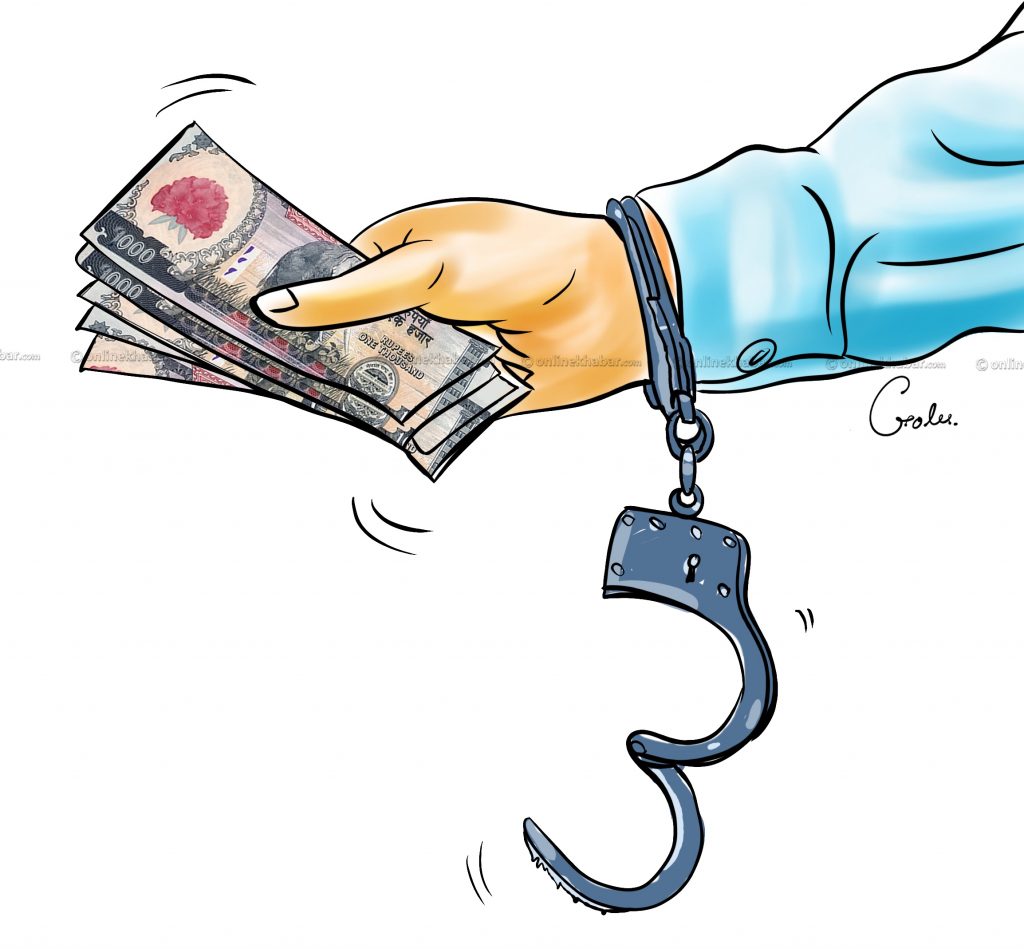
When there is no mechanism for an independent hearing, the law ceases to be a shield for the citizen and becomes a weapon for the state.
Lawmaker Sulav Kharel emphasized during a recent committee meeting that a significant legislative void exists, leaving Nepali citizens without a dedicated legal avenue to challenge fines or charges imposed by security forces. This absence of an independent review mechanism transforms the law from a citizen's shield into a state weapon. The consequences are often severe, with individuals spending more time in pre-trial detention than their eventual sentences, particularly affecting the poor and those without legal representation. The court's tendency to interpret explanations as confessions exacerbates this injustice, creating a "claustrophobic legal reality" where the only recourse for perceived unfairness can feel like self-destruction.
When the state provides no avenue for a citizen to say, “This is unfair,” it produces a state of learned helplessness where the only remaining response is self-destruction.
DistantNews Editorial
Originally published by Kathmandu Post. Summarized and contextualized by our editorial team with added local perspective. Read our editorial standards.
More Stories


From Our Blog

What Gets Lost (and Found) When News Is Translated

The Critical Role of Diaspora Media in Global News

What Travellers Should Know About Countries with Restricted Press

A Digital Nomad's Guide to Following Local News

How the Same Story Looks Different in Different Countries
