

Environmentalist urges Mexico to classify fuel theft as an environmental crime
Translated from Spanish, summarized and contextualized by DistantNews.
At a glance
News
Named sources
Context piece
- An environmentalist in Hidalgo, Mexico, is calling for hydrocarbon theft to be classified as an environmental crime.
- Marco Antonio Moreno Gaytán argues current focus on security overlooks the severe impact on ecosystems from fuel spills and illegal taps.
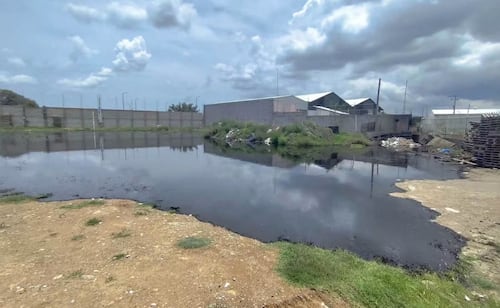
- He cited a recent spill on the Pachuca-Ciudad Sahagún highway, which affected five properties and revealed five clandestine taps, highlighting a lack of transparency regarding contaminated sites.
An environmental advocate in Hidalgo, Mexico, is urging for legal reforms to classify hydrocarbon theft as an environmental crime. Marco Antonio Moreno Gaytán, leader of the Sociedad Ecologista Hidalguense (SEHI), believes authorities are overly focused on security aspects, neglecting the significant negative impact these activities have on local ecosystems.
Moreno Gaytán pointed to a recent fuel spill on the Pachuca-Ciudad Sahagún highway as a case in point. The incident affected five properties and led to the discovery of five clandestine taps. He criticized the lack of transparency surrounding contaminated sites, stating that the number of affected areas, the municipalities impacted by spills, and the economic losses incurred by Hidalgo remain unknown.
The environmentalist detailed the severe consequences of fuel spills, including soil contamination, the death of flora and fauna, and the poisoning of birds and mammals. These spills also lead to habitat destruction, disruption of the food chain, and the bioaccumulation of toxic substances. He asserted that neither Pemex nor federal environmental authorities provide precise figures on the sites contaminated by fuel theft.
Given this situation, Moreno Gaytán advocates for a legal reform that would specifically criminalize hydrocarbon theft as an environmental offense. Such a classification, he argues, would strengthen penalties, ensure reparations for environmental damage, and establish more transparent mechanisms for monitoring and addressing these cases.
DistantNews Editorial
Originally published by El Universal in Spanish. Translated, summarized, and contextualized by our editorial team with added local perspective. Read our editorial standards.
More Stories
From Our Blog

What Press Freedom Means for the News You Read

What Gets Lost (and Found) When News Is Translated

The Critical Role of Diaspora Media in Global News

What Travellers Should Know About Countries with Restricted Press

A Digital Nomad's Guide to Following Local News
