


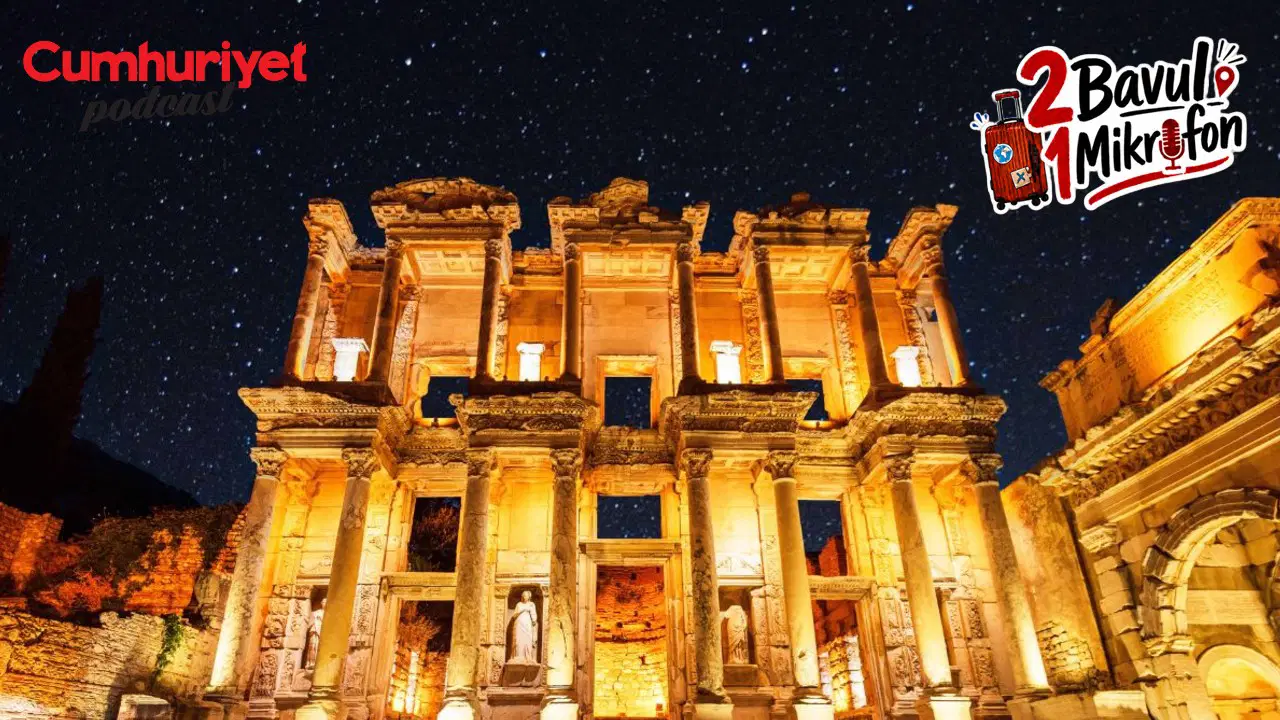
Ephesus Ancient City: A Metropolis of Antiquity Holding Centuries of Secrets
Translated from Turkish, summarized and contextualized by DistantNews.
At a glance
In-depth
Sources not specified
Context piece
- Ephesus Ancient City, a UNESCO World Heritage site, holds many secrets beyond its ruins.
- The city was a center of trade, religion, and culture, serving as the capital of the Roman province of Asia.
- Key structures like the Library of Celsus and the Great Theatre reveal details about ancient life, luxury, and entertainment.
Ephesus Ancient City, a major destination for millions of tourists, continues to hold numerous secrets beneath its grand columns and marble streets. More than just ancient ruins, this magnificent city offers striking details of history, from the footprints of gladiators to the luxurious lifestyles of its inhabitants. With origins dating back to 6000 BC, Ephesus was not only one of the twelve cities of Ionia but also the capital of the Roman province of Asia. It thrived as a vital center for trade, religion, and culture, whispering tales of its glorious past to modern visitors. The iconic Library of Celsus, often the first structure that comes to mind when thinking of Ephesus, is more than just a repository for 12,000 parchment scrolls. It also serves as the monumental tomb for Roman senator Celsus Polemeanus, whose lead coffin rests in a vault beneath the library's impressive facade. Legends of a secret tunnel connecting the library to a nearby brothel add to its mystique. For a glimpse into the lives of Ephesus's elite, the Terrace Houses on Kuretes Street showcase the "luxury residence" culture of the Roman wealthy class. These residences featured underfloor heating, running hot and cold water, elegant floor mosaics, and wall frescoes. Graffiti on their walls offers insights into daily life and ancient gossip. The Great Theatre, built into the slopes of Mount Pion, is one of the largest open-air theaters of the ancient world, capable of seating 25,000 spectators. Its remarkable acoustics still impress today. However, this vast structure also hosted gladiatorial combats and wild animal hunts, transformed into a bloody arena during the Roman era. Standing on its steps, one can imagine the roars of ancient crowds and the clash of swords. Once the main thoroughfare for kings and emperors, the marble-paved Curetes Street, also known as the Arcadiane or Harbor Street, was one of the world's first illuminated streets. This port, once lapped by the Aegean Sea, is now silent as the sea has receded miles away. The silting of the harbor by the Küçük Menderes River severed Ephesus's connection to the sea and accelerated the city's decline, marking one of its greatest natural disasters.
DistantNews Editorial
Originally published by Cumhuriyet in Turkish. Translated, summarized, and contextualized by our editorial team with added local perspective. Read our editorial standards.
More Stories


From Our Blog

What Gets Lost (and Found) When News Is Translated

The Critical Role of Diaspora Media in Global News

What Travellers Should Know About Countries with Restricted Press

A Digital Nomad's Guide to Following Local News

How the Same Story Looks Different in Different Countries
