

From Anatolia's craft heritage to contemporary design: A journey into the codes of timeless design
Translated from Turkish, summarized and contextualized by DistantNews.
At a glance
In-depth
Named sources
Context piece
- The "Halkın Sanatı" (Art of the People) exhibition aims to revive and preserve Anatolia's fading traditional weaving and crafts.
- The project transforms traditional crafts into contemporary designs, making them wearable and usable, thus ensuring their survival.
- The initiative emphasizes the importance of economic viability for artisans and fostering collaboration between Turkish designers and craftspeople.
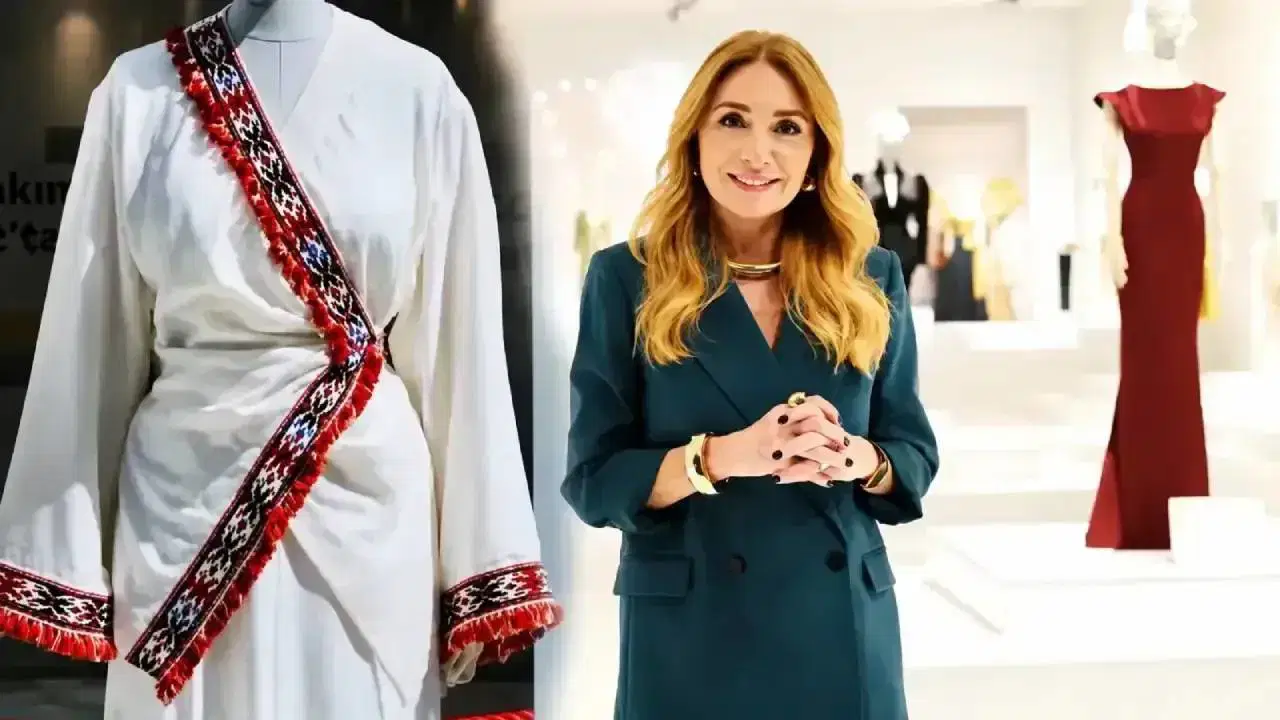
The "Halkın Sanatı" (Art of the People) exhibition has once again brought together fashion and art enthusiasts, showcasing Anatolia's traditional weaving and craft heritage, much of which is at risk of disappearing. This initiative is the culmination of an extensive journey across Anatolia, seeking to discover and pass on to future generations the unique weaving techniques and crafts still practiced in various regions.
When you bring traditional handicrafts into a form that people can wear and use today, you are not just preserving them, you are truly keeping them alive.
Founder Hanif explained that the project began as a television program before evolving into an exhibition and a book. The journey involved meeting master artisans, listening to their stories, and exploring diverse production methods. The core mission is to carry this cultural legacy forward by giving traditional crafts a contemporary interpretation, making them relevant for modern use. "When you bring traditional handicrafts into a form that people can wear and use today, you are not just preserving them, you are truly keeping them alive," Hanif stated.
Artisan can continue to practice their craft as long as they can earn income from the work they produce.
Crucially, the project recognizes that for these crafts to survive, they must be economically sustainable. Hanif stressed the importance of collaboration between Turkish designers and Anatolian artisans, enabling craftspeople to earn income from their work. "For me, the Halkın Sanatı project has also become a journey of rediscovering my own culture, a process of mutual learning and sharing," she added, viewing the project as a vital cultural archive for Turkey's traditional handicraft memory.
For me, the Halkın Sanatı project has also become a journey of rediscovering my own culture, a process of mutual learning and sharing.
Discussing couture, Hanif described it as a true art form, born from meticulous handcraftsmanship. She likened the creation of a couture garment, involving intricate beadwork, embroidery, and color coordination over weeks or months, to a painter creating a canvas. "A woman wearing a couture dress is not just wearing an outfit; she is carrying a work of art," she asserted. However, she lamented the decline of such mastery in Turkey, with younger generations often preferring faster production methods. This makes the transmission of these valuable, patience-requiring skills to new generations essential.
I believe that Halkın Sanatı is becoming an important cultural archive that carries Turkey's traditional handicraft memory to future generations.
DistantNews Editorial
Originally published by Cumhuriyet in Turkish. Translated, summarized, and contextualized by our editorial team with added local perspective. Read our editorial standards.
More Stories

From Our Blog

What Gets Lost (and Found) When News Is Translated

The Critical Role of Diaspora Media in Global News

What Travellers Should Know About Countries with Restricted Press

A Digital Nomad's Guide to Following Local News

How the Same Story Looks Different in Different Countries
