


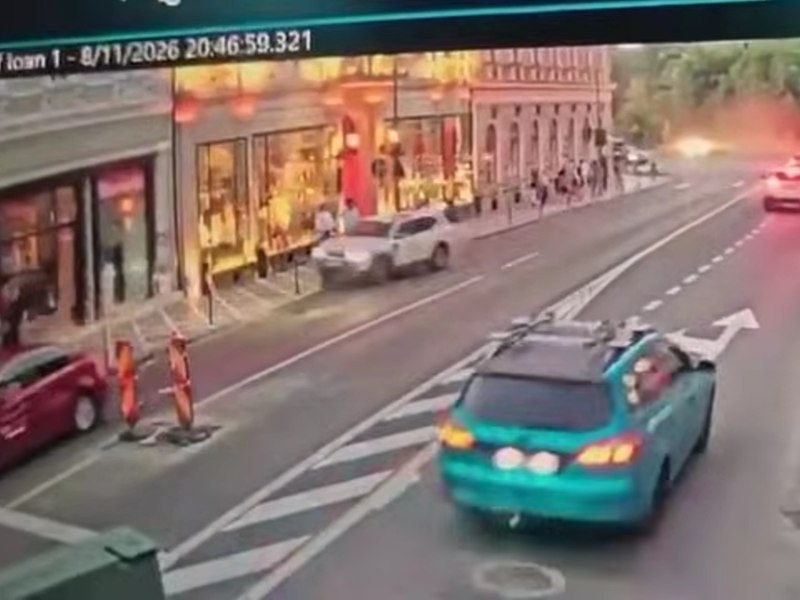
Epilepsy and Driving: Romania Debates Regulations After Fatal Brașov Accident
Translated from Romanian, summarized and contextualized by DistantNews.
At a glance
News
Sources not specified
Outcome reported
- A severe car accident in Brașov, Romania, where a driver with epilepsy allegedly caused two deaths, has reignited debate on driving regulations for individuals with the condition.
- The 50-year-old driver reportedly stopped epilepsy treatment three years prior and was medically cleared to drive in 2020.
- Romanian law outlines conditions under which individuals with epilepsy can drive, requiring at least one year seizure-free for Group 1 license holders.
A fatal car accident in Brașov, Romania, where a vehicle mounted a sidewalk killing two people, has brought the issue of driving for individuals with epilepsy to the forefront. Reports indicate the 50-year-old driver suffered from epilepsy and had allegedly discontinued his treatment three years before the incident. He had renewed his driver's license in 2020 after being declared medically fit.
The case raises critical questions about the conditions under which people with epilepsy can legally drive and the consequences of interrupting treatment or experiencing a new seizure. Romanian regulations, specifically Ministerial Order No. 1.162/2010, modified by Order No. 1.255/2015, address these concerns. The core principle is the significant risk posed by a sudden loss of consciousness while driving.
Epilepsy is defined in these norms as at least two seizures within five years. However, the regulations differentiate between epilepsy and seizures triggered by identifiable, avoidable factors. For a first or isolated seizure, driving is prohibited, and a neurologist must issue a report detailing the non-driving period and required monitoring. The type of epilepsy and seizure must be assessed by a neurologist, considering the risk of recurrence.
For Group 1 license holders, which includes car drivers, the general rule is that an individual can be declared fit to drive after a full year without seizures. This is clearly stated in point 6.3.5.5 of the norms. In cases of a first unprovoked seizure, the period without a new seizure required to regain driving eligibility can be reduced to six months, provided a proper medical evaluation is conducted. If a seizure was caused by an identifiable factor unlikely to occur during driving, fitness to drive may be determined on a case-by-case basis, following a neurologist's advice.
DistantNews Editorial
Originally published by Adevărul in Romanian. Translated, summarized, and contextualized by our editorial team with added local perspective. Read our editorial standards.
More Stories



From Our Blog

What Gets Lost (and Found) When News Is Translated

The Critical Role of Diaspora Media in Global News

What Travellers Should Know About Countries with Restricted Press

A Digital Nomad's Guide to Following Local News

How the Same Story Looks Different in Different Countries
