


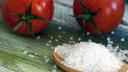
Epsom salt: A garden secret for healthier tomato plants
Translated from Croatian, summarized and contextualized by DistantNews.
At a glance
News
Sources not specified
Context piece
- Epsom salt, commonly used for baths, can also benefit tomato plants by providing essential magnesium and sulfur.
- Magnesium is crucial for chlorophyll production, enabling photosynthesis, and its deficiency can lead to slower growth and fewer fruits.
- Gardeners can use Epsom salt as a soil drench or foliar spray, but should apply it cautiously, preferably after observing signs of deficiency or conducting soil analysis.
Beyond its relaxing bath properties, Epsom salt is emerging as a valuable tool for gardeners, particularly for boosting tomato yields. This accessible bathroom product, chemically known as magnesium sulfate, delivers vital magnesium and sulfur to plants, minerals essential for robust growth and fruit development.
Andrew Koehn, a gardening expert, highlights magnesium's critical role in creating chlorophyll, the pigment responsible for photosynthesis. A lack of magnesium can stunt a tomato plant's growth, cause leaves to yellow between the veins while the veins remain green, and result in a diminished harvest. When these symptoms point to a magnesium deficiency, Epsom salt can offer a solution.
Magnesium is crucial for the creation of chlorophyll, the green pigment that allows the plant to photosynthesize.
Gardeners typically dissolve one tablespoon of Epsom salt in about four liters of water to create a solution for drenching the soil around the plant's roots. Some also opt for foliar application, spraying the leaves for quicker absorption. However, experts caution against indiscriminate use. Epsom salt is not a universal remedy and can cause harm if applied unnecessarily or excessively.
It is recommended to use Epsom salt only when clear signs of magnesium deficiency are present or after a soil test confirms a lack of this nutrient. Over-application can interfere with the uptake of other essential minerals like calcium and potassium, disrupting the soil's nutrient balance. Monitoring the plant's response after application and continuing treatment only if recovery is observed is advised. Recognizing the specific needs of plants, often indicated by changes in their leaves, is the first step toward healthier growth and a more bountiful harvest.
If the cause of the problem is indeed a lack of magnesium, Epsom salt can help.
DistantNews Editorial
Originally published by Večernji List in Croatian. Translated, summarized, and contextualized by our editorial team with added local perspective. Read our editorial standards.
More Stories


From Our Blog

What Gets Lost (and Found) When News Is Translated

The Critical Role of Diaspora Media in Global News

What Travellers Should Know About Countries with Restricted Press

A Digital Nomad's Guide to Following Local News

How the Same Story Looks Different in Different Countries
