

Estonian PM Urges EU-Wide Ban on Russian Soldiers in Schengen, Calling Them 'Criminals'
Translated from Romanian, summarized and contextualized by DistantNews.
TLDR
- Estonian Prime Minister Kristen Michal advocates for a permanent Schengen ban on Russian soldiers, labeling most as "criminals."
- Michal argues that Russian soldiers, potentially forming new private armies like Wagner, pose a security risk across continents.
- Estonia has already banned approximately 1,300 Russian combatants and seeks broader EU support to implement a more extensive ban.
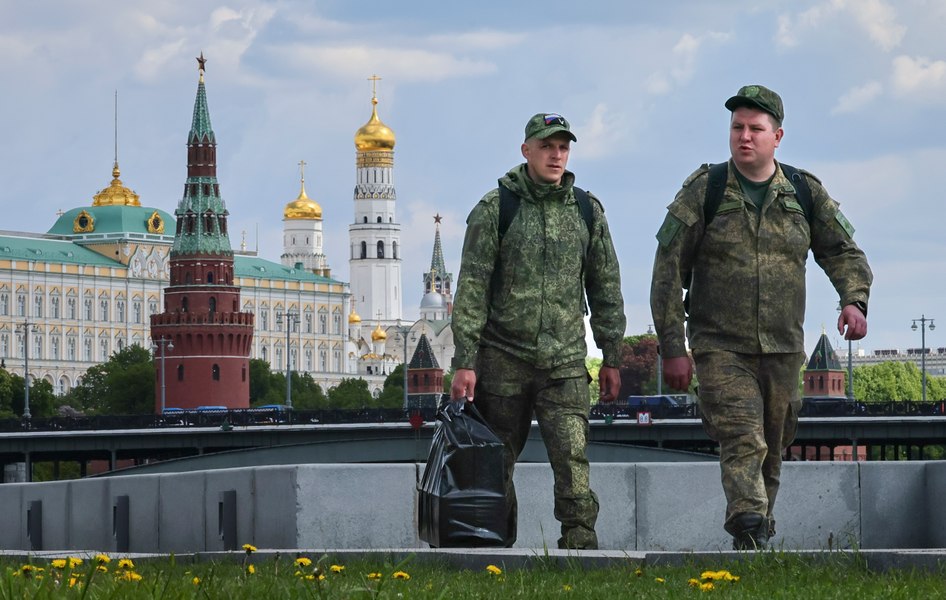
Estonian Prime Minister Kristen Michal has taken a firm stance, calling for a permanent ban on Russian soldiers entering the Schengen Area. Speaking at an EU meeting in Cyprus, Michal characterized the majority of Russian soldiers as "criminals" and expressed concern that they could pose a significant security threat if allowed to roam freely in Europe. His proposal aims to elevate this measure to a Union-wide policy, reflecting Estonia's proactive approach to security concerns related to Russia's actions, particularly its invasion of Ukraine.
Don't you want such people near your home? No, you don't.
Michal's argument centers on the potential for these soldiers, many of whom are lauded as heroes within Russia, to form new private military organizations akin to the Wagner Group. He warned that such groups could operate globally, impacting security in Europe, Asia, and Africa. This perspective underscores a deep-seated concern within some Eastern European nations about the long-term implications of Russian military actions and the potential for destabilization by its forces, even after formal military service.
What will these people do? Most are criminals, but in Russia they are treated as heroes. They will be organized into Wagner II, Wagner III, private armies, and they will operate in Europe, Asia, Africa, on all continents.
Estonia has already implemented its own measures, banning around 1,300 Russian combatants from entry. However, Michal emphasizes that this is insufficient without coordinated EU action, stating, "We can do more, we can do ten times more, but we cannot manage a million soldiers alone. We need everyone's help." The proposal is gaining traction, with the European Council having included it in its March summit conclusions, urging the Commission to explore viable solutions. High Representative Kaja Kallas is expected to present a refined proposal by the June leaders' meeting, indicating a serious push within the EU to address this security challenge collectively.
Estonia has already banned approximately 1,300 Russian combatants.
DistantNews Editorial
Originally published by Adevărul in Romanian. Translated, summarized, and contextualized by our editorial team with added local perspective. Read our editorial standards.
More Stories
White House Correspondents' Dinner Disrupted by Shooting; Trump Evacuated, Suspect Arrested at Reaga…
Executions in the Shadow of War: Letters and Recordings Reveal the Stories of Iran's Death Row Inmat…
Environmental activist demands modification of emergency ordinance to save green spaces: 'The approa…
From Our Blog

What Gets Lost (and Found) When News Is Translated

The Critical Role of Diaspora Media in Global News

What Travellers Should Know About Countries with Restricted Press

A Digital Nomad's Guide to Following Local News

How the Same Story Looks Different in Different Countries
