


Ethiopia's Ancient Grapevines May Hold Clues to Aksumite Kingdom's Agricultural Legacy
Translated from English, summarized and contextualized by DistantNews.
At a glance
News
Sources not specified
Context piece
- Scientists have found evidence that traditional grapevines in Ethiopia's Tigray region may be descendants of vines cultivated during the ancient Aksumite Kingdom.
- Archaeological findings, including grape seeds and wine presses, support the theory of ancient viticulture in the region.
- These vines are woven into village life, providing fruit and shade, and have been passed down through generations.
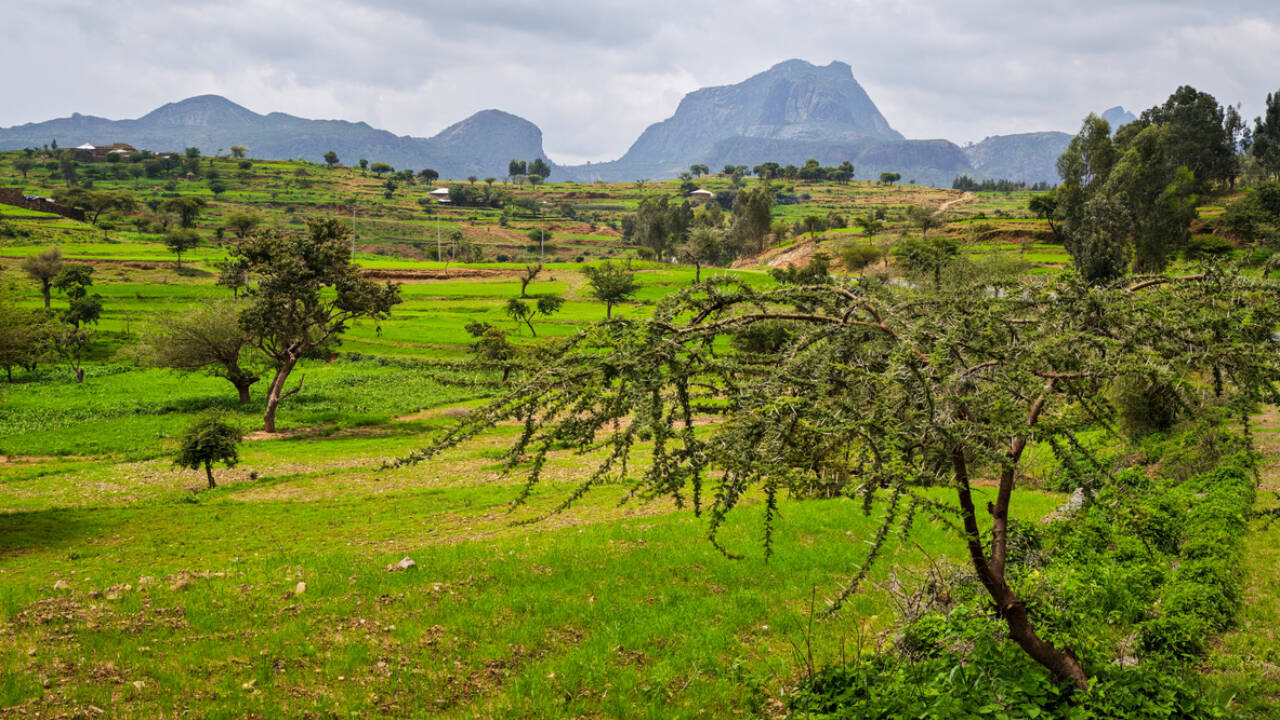
A new study suggests that ancient grapevines found in Ethiopia's Tigray region could be living links to the once-powerful Aksumite Kingdom, which thrived between 150 BCE and 800 CE. This discovery offers a potential glimpse into a lost chapter of Ethiopian agricultural history.
While Ethiopia is recognized as an early agricultural center for crops like teff and chickpeas, its connection to viticulture has been less explored. However, archaeological excavations at ancient Aksum have unearthed grape seeds, wine vessels, and evidence of wine presses, indicating a history of grape cultivation.
An international team of researchers, including geographers, agronomists, and archaeologists, investigated traditional grapevines in the Tigray region. They found that these vines are deeply integrated into village life, growing in home compounds and church grounds, rather than in commercial vineyards. Families consume the grapes fresh, share them with neighbors, and use the vines for shade.
Most of these vines have been propagated from cuttings passed down through families for generations. Researchers estimate that between 1,000 and 1,500 traditional grapevines may still exist in the wider region. DNA analysis and seed shape studies are being conducted to further explore the ancient Mediterranean roots of these remarkable plants.
DistantNews Editorial
Originally published by Times of India in English. Translated, summarized, and contextualized by our editorial team with added local perspective. Read our editorial standards.
More Stories



From Our Blog

What Press Freedom Means for the News You Read

What Gets Lost (and Found) When News Is Translated

The Critical Role of Diaspora Media in Global News

What Travellers Should Know About Countries with Restricted Press

A Digital Nomad's Guide to Following Local News
