

EU allows Germany to offer more industrial electricity price relief
Translated from German, summarized and contextualized by DistantNews.
At a glance
News
Named sources
New plan
- The EU has allowed the German government to provide greater relief to industries struggling with high electricity costs.
- This increased support, costing approximately one billion euros, is necessary due to current energy price hikes driven by the war in Iran.
- The decision eases budget negotiations for the upcoming year, as the government aims to protect industry and jobs.
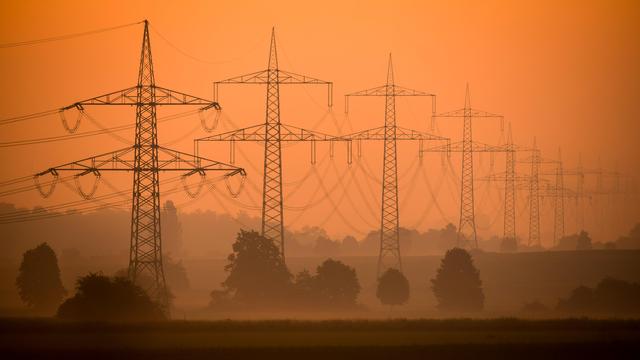
Germany's industrial sector will receive more support to cope with soaring electricity prices, following approval from the European Union. The EU Commission has permitted the government to offer greater relief than previously allowed, a move that will cost the federal budget around one billion euros.
Minister of Economic Affairs Katherina Reiche stated that the EU followed Germany's argument that this step is necessary given the "enormously high energy prices" resulting from the current crisis. The significant rise in energy prices, exacerbated by the war in Iran, has placed German companies under increasing pressure.
The Commission followed our reasoning in this point that this step is necessary given the enormously high energy prices through the current crisis.
Previously, companies could not simultaneously benefit from the industrial electricity price and the electricity price compensation, which already covered CO2 costs. The EU's allowance for parallel support aims to prevent budget cuts from negatively impacting industry and jobs. The government is set to decide on the budget for the upcoming year in early July, with this additional cost potentially complicating negotiations.
These we must provide.
DistantNews Editorial
Originally published by Die Zeit in German. Translated, summarized, and contextualized by our editorial team with added local perspective. Read our editorial standards.
More Stories

From Our Blog

What Gets Lost (and Found) When News Is Translated

How the Same Story Looks Different in Different Countries

The Critical Role of Diaspora Media in Global News

What Travellers Should Know About Countries with Restricted Press

A Digital Nomad's Guide to Following Local News
