

EU bans fashion brands from destroying unsold clothes and shoes
Summarized and contextualized by DistantNews.
At a glance
News
Sources not specified
New plan
- The EU has banned large fashion companies from destroying unsold clothes and footwear starting this week.
- This new regulation forces the industry to change how it handles excess stock and customer returns, impacting luxury brands' strategy of maintaining scarcity.
- Brands must now consider higher inventory costs, expand discount channels, or reduce production, with destruction only permitted for specific reasons like health risks or counterfeits.
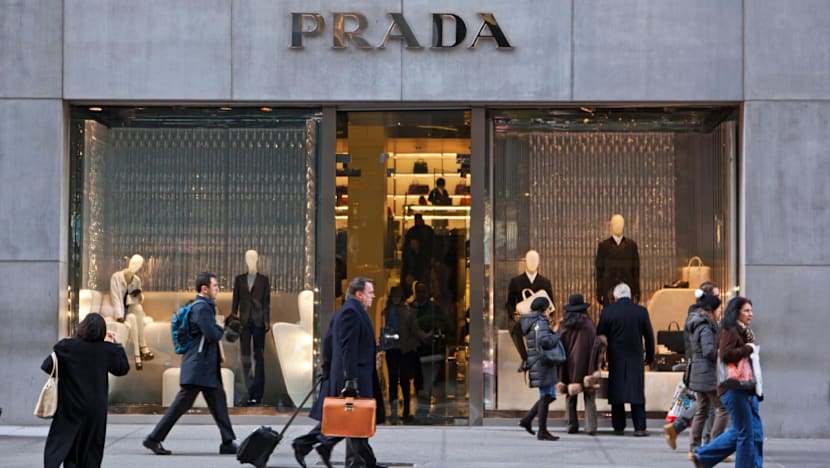
The European Union has implemented a ban on large fashion groups, including LVMH, Prada, Chanel, and Inditex, from destroying unsold clothing and shoes. This regulation, effective this week, compels the industry to rethink its approach to excess inventory and customer returns. The ban is particularly significant for luxury brands, as it removes a key method for maintaining product desirability through scarcity.
Fashion companies now face a critical choice: absorb higher inventory costs, broaden their tightly controlled discount channels, or scale back production. The European Environment Agency estimates that between 4% and 9% of textile products offered for sale in Europe, totaling 264,000 to 594,000 tons annually, are destroyed before use. Official company data on waste generation, especially from luxury versus fast-fashion brands, is not publicly available.
Chanel, which was recently revealed to have destroyed thousands of unsold products in Hong Kong, stated that its current global practices differ. The company has established L’Atelier des Matieres, a recycling business founded in 2019, to recover materials and integrate them into circular supply chains. However, experts suggest that while donation and reuse might open new avenues for mass-market fashion, these rules present greater challenges for luxury groups. These brands depend on controlled distribution and exclusivity to protect their market value. Increased discounting or sales through secondary markets could dilute brand image, while repair and material recovery processes may add to operational expenses.
The numbers cited in court did not reflect its current global practices, adding that products that could not be sold were now handled through L’Atelier des Matieres, a recycling business it founded in 2019 to recover materials and return them to circular supply chains.
DistantNews Editorial
Originally published by CNA. Summarized and contextualized by our editorial team with added local perspective. Read our editorial standards.
More Stories

From Our Blog

What Gets Lost (and Found) When News Is Translated

The Critical Role of Diaspora Media in Global News

What Travellers Should Know About Countries with Restricted Press

A Digital Nomad's Guide to Following Local News

How the Same Story Looks Different in Different Countries
