


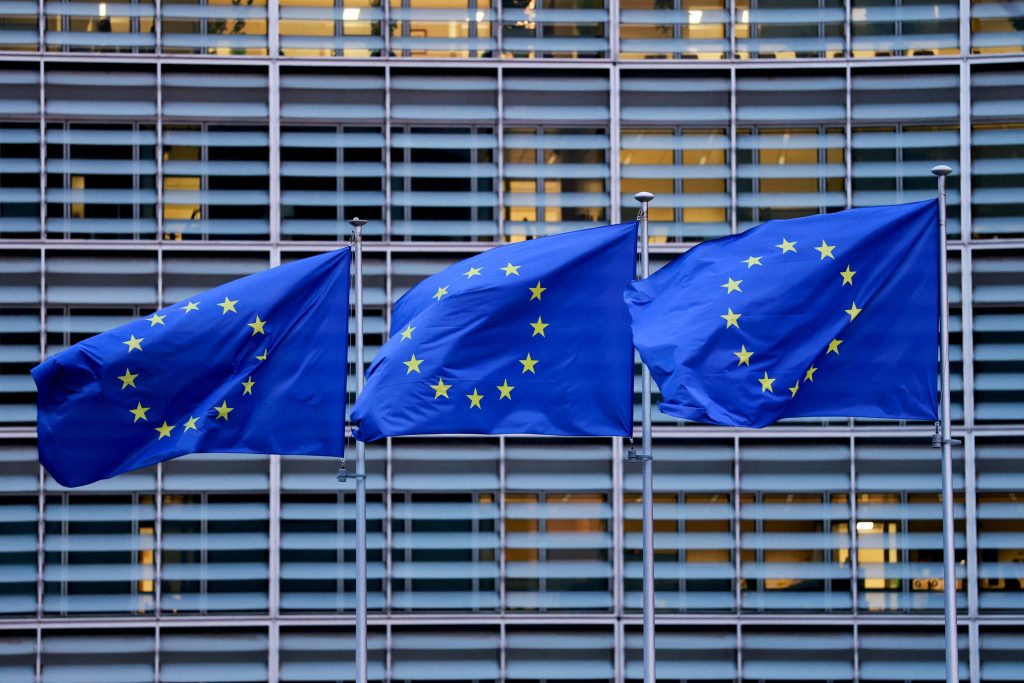
EU Budget Talks: Disagreements Loom Over 2 Trillion Euro Spending Plan
Translated from Greek, summarized and contextualized by DistantNews.
At a glance
News
Named sources
Context piece
- EU member states are negotiating the bloc's next long-term budget for 2028-2034, with significant disagreements over spending levels.
- The European Commission proposed a budget of nearly 2 trillion euros, a substantial increase from the current period.
- "Frugal" northern countries, led by Germany, are pushing for deeper cuts, while others like Greece are seeking to secure their share of the funds.
European Union member states are locked in intense negotiations over the bloc's next seven-year budget, the Multiannual Financial Framework (MFF) for 2028-2034. The process, which aims for a final agreement by the end of 2026 to allow legislative procedures to conclude in 2027, is marked by significant divergence on the total spending envelope.
The European Commission has put forward a proposal for a budget approaching 2 trillion euros, a considerable jump from the approximately 1.2-1.3 trillion euros allocated for the 2021-2027 period. This proposed increase is driven by new priorities, including bolstering defense, energy security, and the EU's overall competitiveness amid geopolitical tensions.
A frugal budget does not necessarily mean a modern one.
However, a bloc of "frugal" northern nations, including Germany, the Netherlands, Austria, Finland, Denmark, and Sweden, are advocating for substantial reductions. Germany, as the largest net contributor, reportedly seeks cuts of around 400 billion euros from the Commission's proposal, arguing that even with such reductions, the new budget would still represent a 27% increase over the current one. The Cypriot Presidency's compromise proposal, which suggested a reduction of 32.8 billion euros, failed to satisfy these demands for deeper austerity.
Conversely, countries like Greece are focused on securing their national interests within the framework. The debate highlights a fundamental tension between member states prioritizing fiscal restraint and those emphasizing the need for increased investment in strategic areas. The outcome will shape the EU's capacity to address future challenges and pursue its policy objectives.
The one who killed my imam, why shouldn't we kill him?
DistantNews Editorial
Originally published by Ta Nea in Greek. Translated, summarized, and contextualized by our editorial team with added local perspective. Read our editorial standards.
More Stories


From Our Blog

What Gets Lost (and Found) When News Is Translated

The Critical Role of Diaspora Media in Global News

What Travellers Should Know About Countries with Restricted Press

A Digital Nomad's Guide to Following Local News

How the Same Story Looks Different in Different Countries
