


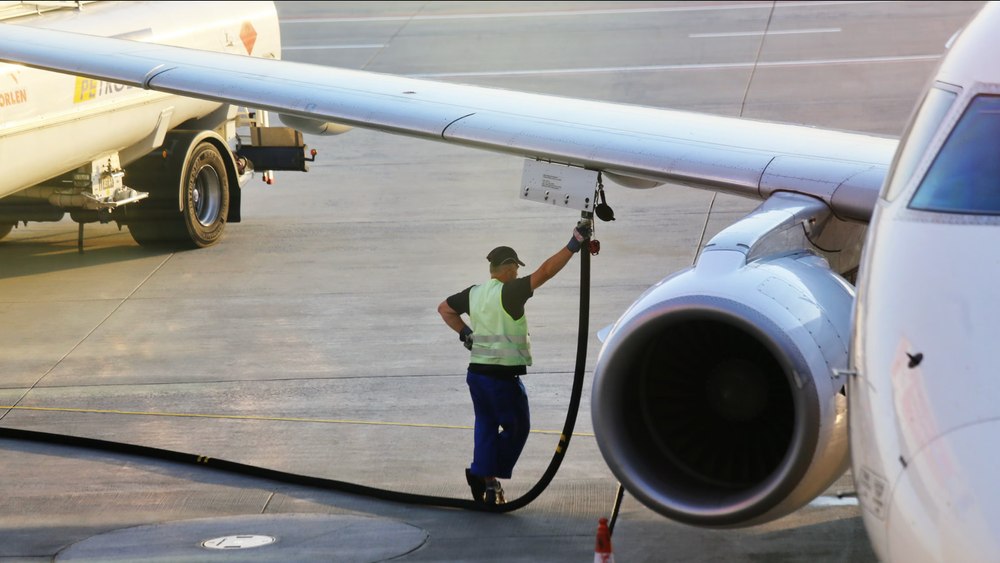
EU Considers Mandatory Jet Fuel Sharing Amid Potential Shortages
Translated from Romanian, summarized and contextualized by DistantNews.
TLDR
- The European Union is considering making the sharing of jet fuel reserves mandatory among member states in case of a supply crisis.
- This potential measure aims to ensure fuel availability for airlines amid global energy market shocks.
- The EU is also exploring alternative jet fuel sources, including US-produced Type A fuel, as European jet fuel prices have doubled since late February.
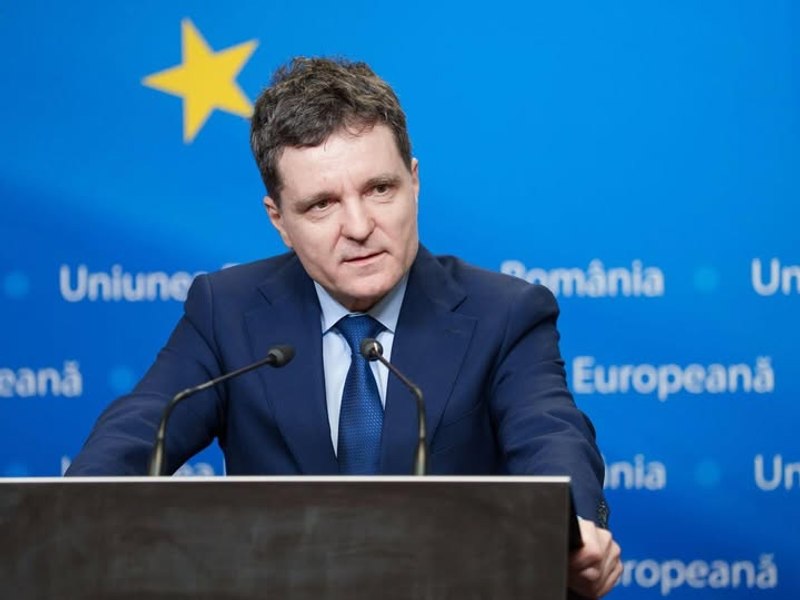
In response to escalating energy market volatility and the specter of potential jet fuel shortages, the European Union is contemplating a significant shift in its emergency preparedness. European Commissioner for Transport, Apostolos Tzitzikostas, indicated that voluntary sharing of emergency jet fuel stocks could evolve into a mandatory requirement for member states. This proactive stance underscores the EU's commitment to maintaining the operational integrity of its aviation sector, even in the face of unprecedented global supply chain disruptions.
What is voluntary today could become mandatory.
The announcement follows a videoconference with transport ministers from across the bloc, highlighting a unified concern over energy security. The EU currently holds emergency reserves, which can be released if necessary, but the commissioner stressed the importance of transparency to prevent market distortions. The potential for mandatory sharing reflects a strategic pivot towards greater integration and mutual reliance within the EU's energy infrastructure, acknowledging that individual national reserves may prove insufficient during a widespread crisis.
We will assess whether an obligation regarding minimum stocks of aviation fuel is necessary, which would require member states to maintain minimum emergency reserves.
Beyond immediate concerns, the EU is also looking towards future resilience. The upcoming AccelerateEU plan is set to address energy market shocks by seeking alternative jet fuel sources, such as Type A fuel produced in the United States. This diversification strategy is crucial, especially as European jet fuel prices have doubled since the conflict in the Middle East intensified in late February. The International Energy Agency's warning of a potential six-week jet fuel shortage in Europe further amplifies the urgency of these measures, signaling a critical juncture for the continent's energy policy.
Any national release of fuel must be done in full transparency to avoid market distortion.
DistantNews Editorial
Originally published by Adevărul in Romanian. Translated, summarized, and contextualized by our editorial team with added local perspective. Read our editorial standards.
More Stories

From Our Blog

What Gets Lost (and Found) When News Is Translated

The Critical Role of Diaspora Media in Global News

What Travellers Should Know About Countries with Restricted Press

A Digital Nomad's Guide to Following Local News

How the Same Story Looks Different in Different Countries
