



EU Countries Back Tougher Visa Rules for Russian Citizens, Kallas Says
Translated from Latvian and summarized by DistantNews. Read the original for the full story.
At a glance
News
Named sources
New plan
- EU foreign ministers broadly supported tougher visa rules for Russian citizens, including a proposed ban on visas for former Russian soldiers who fought in Ukraine.
- Kaja Kallas said the EU and Britain expressed solidarity with Germany after Berlin accused Russia of attempting sabotage at Leipzig airport.
- Germany wants EU countries to further reduce visas for Russians and issue them only to applicants deemed not to pose a threat.
European Union countries have given broad backing to tougher visa rules for Russian citizens, according to EU foreign policy chief Kaja Kallas.
Kallas made the statement after an informal meeting of EU foreign ministers in Ireland, attended by the foreign ministers of Ukraine and Britain. The proposal would bar former Russian soldiers who took part in the war in Ukraine from receiving visas and impose stricter conditions on other Russian applicants.
Attempts to intimidate Europe will not succeed.
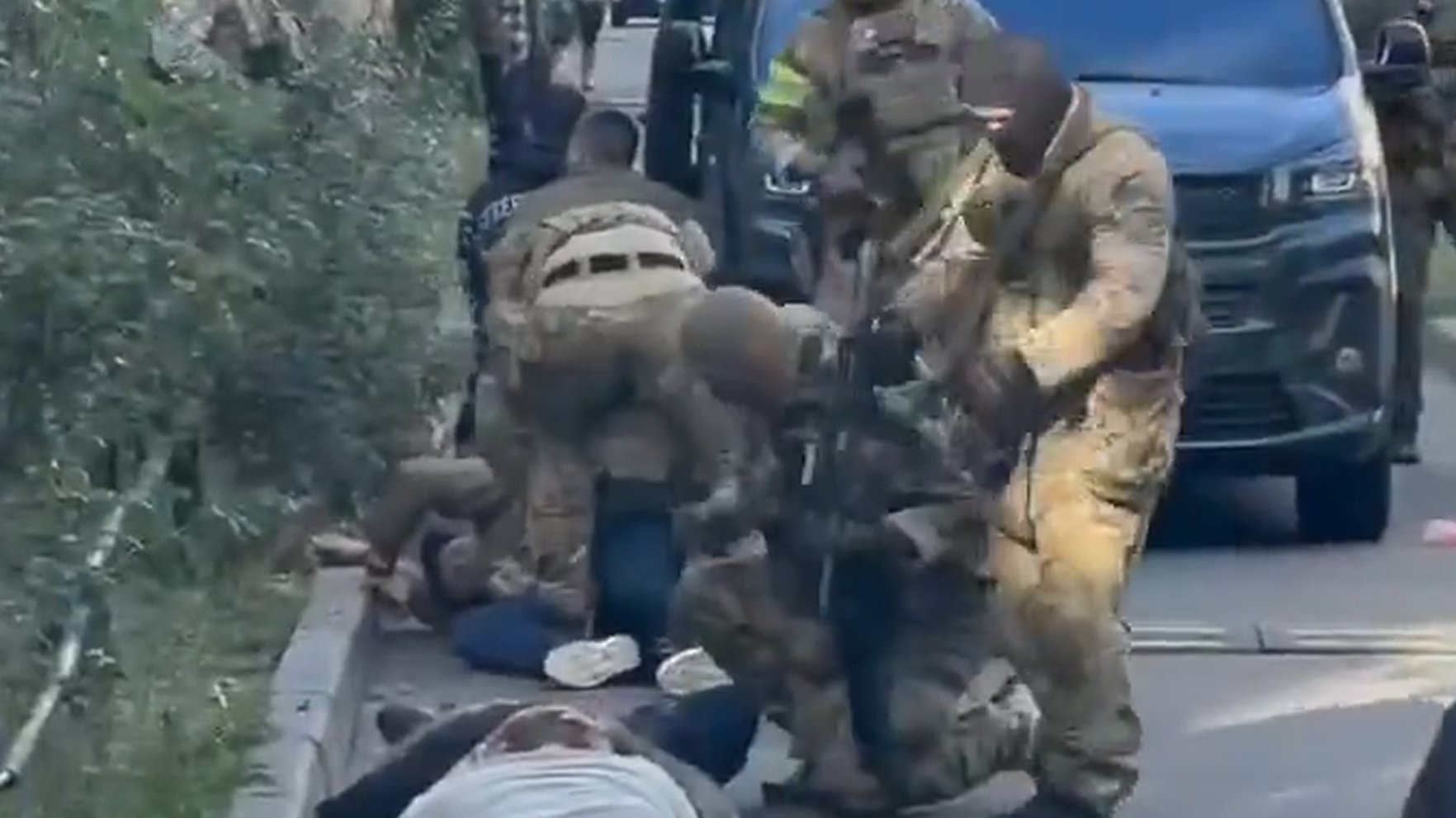
The discussion followed Germany’s public accusation that Russia had attempted to stage sabotage at Leipzig airport. Drones carrying explosives were found there last month. The EU and Britain expressed solidarity with Germany over the incident.
“Attempts to intimidate Europe will not succeed,” Kallas said.
The number of visas issued to Russian citizens for holidays in the European Union is too high.
A spokesman for Germany’s Foreign Ministry said Tuesday that the number of visas issued to Russian citizens for holidays in the European Union was “too high.” Germany will seek to persuade other EU countries to reduce the number further, he said. Visas should be issued only to Russians who do not pose a threat, although he did not explain how authorities would assess that risk.
“I would not want to give anyone an opportunity to bypass these control measures,” the spokesman said.
I would not want to give anyone an opportunity to bypass these control measures.
About this summary
Originally published by Delfi Latvia in Latvian. Translated, summarized, and contextualized automatically by DistantNews, with a note on how the source frames the story. Not individually reviewed before publishing. How this works.
More Stories

From Our Blog

What Gets Lost (and Found) When News Is Translated

The Critical Role of Diaspora Media in Global News

What Travellers Should Know About Countries with Restricted Press

A Digital Nomad's Guide to Following Local News

How the Same Story Looks Different in Different Countries
