


EU countries ramp up Russian LNG imports to record levels before ban
Translated from Polish, summarized and contextualized by DistantNews.
At a glance
News
Sources not specified
Ongoing story
- European Union countries are increasing their imports of liquefied natural gas (LNG) from Russia to record levels just before an import ban takes effect.
- France, Belgium, and Spain are leading these purchases, acquiring nearly all production from the Yamal LNG facility ahead of the ban.
- The EU aims to phase out Russian fossil fuels by 2027, but has not imposed direct sanctions on Russian LNG, citing concerns about dependency on other suppliers.
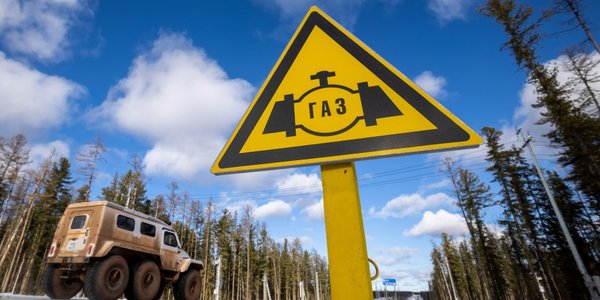
European Union countries are significantly boosting their imports of Russian liquefied natural gas (LNG) to record levels in the months leading up to a ban on these purchases. This surge in imports, particularly from the Yamal LNG facility operated by Novatek, is occurring just before new EU restrictions are set to take effect.
In the first half of 2026, EU nations imported a record 9.89 million tons of LNG from Yamal, an 18% increase compared to the same period last year. This volume represents nearly the entire output of the facility for several months. According to the non-governmental organization Urgewald, the total value of these deliveries could be around 6 billion euros, funds that critics argue contribute to Russia's war efforts.
France, Belgium, and Spain have emerged as the largest EU buyers of Russian LNG, importing 3.6 million tons, 2.9 million tons, and 2.7 million tons respectively. Current EU regulations already prohibit short-term contracts for Russian LNG, meaning all deliveries require customs confirmation that the transaction was based on a long-term agreement. The ban on long-term imports of Russian LNG into the EU is scheduled to take effect on January 1, 2027.
This decision by Brussels to tighten restrictions in 2026 is part of a broader strategy to phase out Russian fossil fuel purchases by 2027. Despite calls from several member states, including Scandinavian and Baltic nations, for a complete halt to Russian LNG purchases, the EU has not imposed direct sanctions on this specific commodity, unlike other fossil fuels. The official reason cited is the desire to avoid increasing dependence on alternative suppliers, such as the United States. However, new regulations agreed upon in December 2023 allow member states to ban Russian suppliers from accessing gas transmission infrastructure at a national level, enabling European companies to terminate long-term contracts by invoking force majeure.
DistantNews Editorial
Originally published by Rzeczpospolita in Polish. Translated, summarized, and contextualized by our editorial team with added local perspective. Read our editorial standards.
More Stories
From Our Blog

What Gets Lost (and Found) When News Is Translated

The Critical Role of Diaspora Media in Global News

What Travellers Should Know About Countries with Restricted Press

A Digital Nomad's Guide to Following Local News

How the Same Story Looks Different in Different Countries
