

EU Financial Framework: Merz Hosts Leaders of Net Contributor States at Chancellery
Translated from German, summarized and contextualized by DistantNews.
At a glance
News
Official statement
Ongoing story
- German Chancellor Friedrich Merz is hosting leaders from EU net-contributor states to coordinate on the bloc's next financial framework.
- The goal is to finalize the 2028-2034 EU budget this year, with Germany advocating for a significant reduction in the proposed spending.
- Key net-contributor nations are attending, though French President Macron will not be present but is in close coordination with Merz.
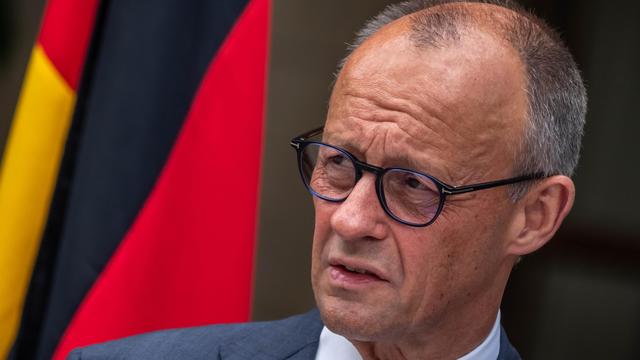
German Chancellor Friedrich Merz is convening leaders from several European Union net-contributor states at the Chancellery in Berlin. The meeting aims to coordinate positions on the EU's financial framework for the years 2028 to 2034, a crucial budget that is still under negotiation.
Government spokesperson Stefan Kornelius indicated that the participation of Denmark, Austria, Finland, and the Netherlands is being finalized. The invited countries share the objective of concluding the financial framework negotiations within the current year. These nations are characterized as net contributors, meaning they pay more into the EU budget than they receive back through programs and subsidies.
While French President Emmanuel Macron will not attend the meeting, Kornelius emphasized that Merz maintains very close coordination with him on this matter. Chancellor Merz's stance is that the current budget proposal, which stands at two trillion euros, needs to be reduced by several hundred billion euros across all areas. The German government is advocating for a reduction to 1.6 trillion euros for the seven-year period.
Discussions will also address how to utilize new EU own resources, which are the EU's own sources of income. Furthermore, the financial framework must reflect the bloc's new political priorities. Germany and France are particularly keen on reaching a conclusion this year, anticipating that important elections in France, Poland, and Italy next year could complicate final negotiations.
DistantNews Editorial
Originally published by Die Zeit in German. Translated, summarized, and contextualized by our editorial team with added local perspective. Read our editorial standards.
More Stories
From Our Blog

What Gets Lost (and Found) When News Is Translated

How the Same Story Looks Different in Different Countries

The Critical Role of Diaspora Media in Global News

What Travellers Should Know About Countries with Restricted Press

A Digital Nomad's Guide to Following Local News
