

EU gas reserves hit 13-year low, sparking 'winter panic'
Translated from Romanian and summarized by DistantNews. Read the original for the full story.
At a glance
News
Sources not specified
Context piece
- European Union gas storage levels stood at 63% in late August, significantly below the 80% average and the lowest in 13 years.
- Experts warn that low reserves increase the risk of price volatility during winter, potentially worsened by cold spells or low wind periods.
- The UK is particularly vulnerable due to high consumption and limited storage, relying heavily on imports.
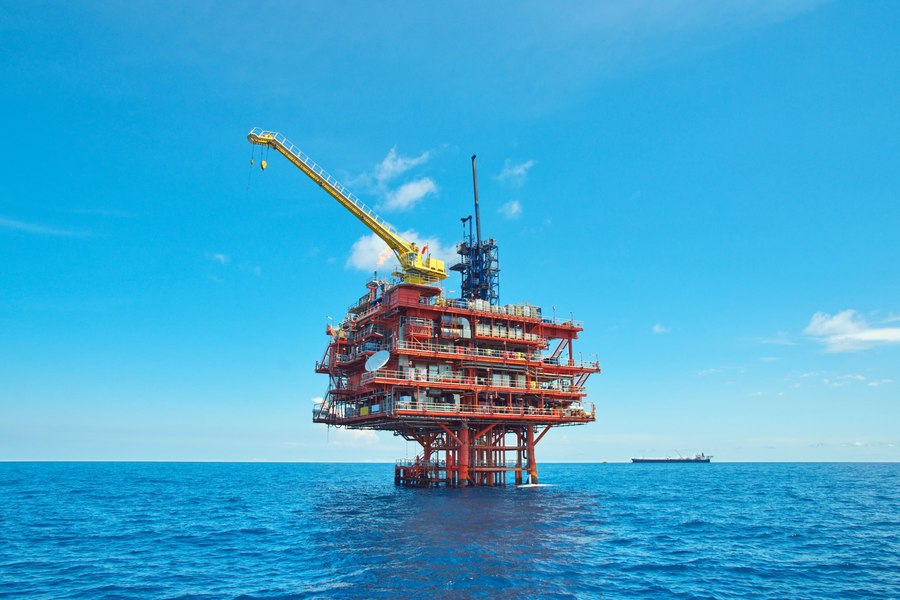
Europe faces a precarious energy outlook as it enters the colder months, with natural gas reserves at their lowest point in 13 years. This alarming situation has reportedly triggered "winter panic" among energy traders, according to experts cited in reports.
Low stock levels naturally increase the risk of greater price volatility during the winter.
In the final week of August, EU gas storage facilities were only 63% full. This figure falls considerably short of the typical 80% average seen in previous years for the same period and represents one of the lowest levels ever recorded. Analysts project that if the current slow pace of refilling continues, the EU will enter the winter season with gas reserves approximately one-fifth below the five-year average, reaching levels not seen since 2013.
Experts highlight that these low stock levels naturally heighten the risk of significant price fluctuations throughout the winter. This volatility could be further exacerbated by cold weather episodes or periods of low wind, which would increase demand for gas for heating and power generation. The United Kingdom, in particular, is identified as highly vulnerable. As a major gas consumer with limited domestic storage capacity, the UK relies heavily on pipeline imports from Europe and shipments from the US and the Middle East.
Britain has almost no gas in storage for the winter ahead.
The EU's struggle to meet its storage targets has been influenced by several factors. Disruptions to oil and gas exports from the Gulf region, stemming from conflicts involving the US, Israel, and Iran, have impacted supply chains. Additionally, a cold end to the previous winter and higher-than-usual gas consumption for electricity generation during European heatwaves this summer have further depleted reserves. Typically, storage operators refill reserves during the summer when demand and prices are lower. However, the European gas market has entered a state of "winter panic" as hopes for renewed supplies, particularly through the Strait of Hormuz, diminish.
As a result, the European natural gas market has entered...
About this summary
Originally published by Adevărul in Romanian. Translated, summarized, and contextualized automatically by DistantNews, with a note on how the source frames the story. Not individually reviewed before publishing. How this works.
More Stories

From Our Blog

What Gets Lost (and Found) When News Is Translated

The Critical Role of Diaspora Media in Global News

What Travellers Should Know About Countries with Restricted Press

A Digital Nomad's Guide to Following Local News

How the Same Story Looks Different in Different Countries
