

EU Imposes New Sanctions on Iran; Tehran Unconcerned
Translated from Vietnamese, summarized and contextualized by DistantNews.
At a glance
News
From a news agency
New plan
- The European Union has imposed new sanctions on Iran, targeting individuals and entities involved in obstructing maritime navigation.
- The EU added Mohammad Akbarzadeh, deputy commander of Iran's IRGC naval forces, and the IRGC's Hormozgan naval command to its sanctions list.
- Iran stated it is unconcerned by the new EU sanctions and will continue its strategy in the Strait of Hormuz.
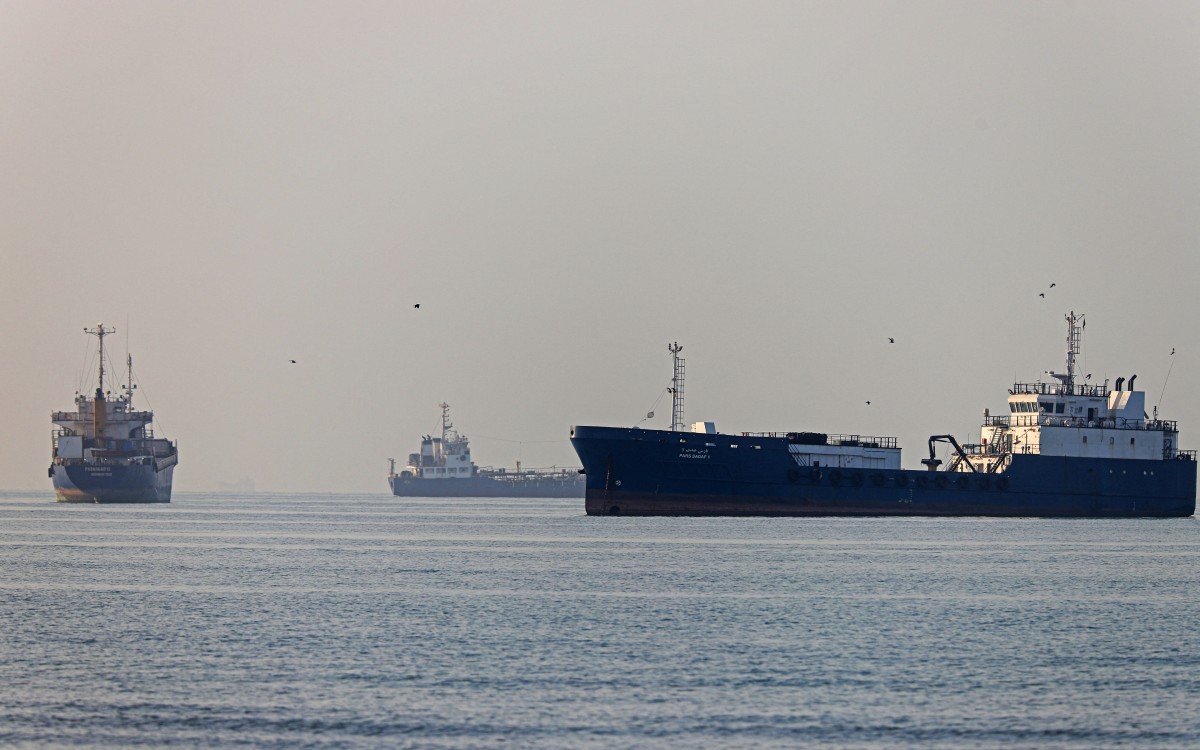
The European Union has escalated its pressure on Tehran by imposing new sanctions targeting individuals and entities accused of obstructing freedom of navigation. The EU has added Mohammad Akbarzadeh, the deputy commander of the naval forces of Iran's Islamic Revolutionary Guard Corps (IRGC), and the IRGC's Hormozgan provincial naval command to its sanctions list.
Additionally, the EU imposed asset freezes and entry bans on Hamid Hosseini, a representative of Iran's Oil Exporters Association. This marks the first time the EU has utilized its new sanctions mechanism, designed to penalize actions deemed to hinder maritime traffic. European nations, led by France and Britain, are reportedly discussing plans for a naval mission in the Strait of Hormuz once the regional conflict concludes.
Iran's actions are unacceptable. In response, member states have agreed to impose sanctions on Iranian individuals and organizations involved in obstructing traffic through the Strait of Hormuz.
EU High Representative for Foreign Affairs and Security Policy, Kaja Kallas, stated that Iran's actions are unacceptable. "In response, member states have agreed to impose sanctions on Iranian individuals and organizations involved in obstructing traffic through the Strait of Hormuz," she announced. Kallas emphasized this is the first application of the new mechanism and affirmed the EU's readiness to use it again if necessary.
Despite the EU's move, Iran has declared it is unconcerned by the new sanctions and intends to continue pursuing its strategy in the Strait of Hormuz. The EU's actions signal a firmer stance against Tehran's activities in the critical waterway.
This is the first time the bloc has used the new mechanism and affirmed its readiness to apply this measure again if necessary.
DistantNews Editorial
Originally published by Tuổi Trẻ in Vietnamese. Translated, summarized, and contextualized by our editorial team with added local perspective. Read our editorial standards.
More Stories
From Our Blog

What Gets Lost (and Found) When News Is Translated

The Critical Role of Diaspora Media in Global News

What Travellers Should Know About Countries with Restricted Press

A Digital Nomad's Guide to Following Local News

How the Same Story Looks Different in Different Countries
