


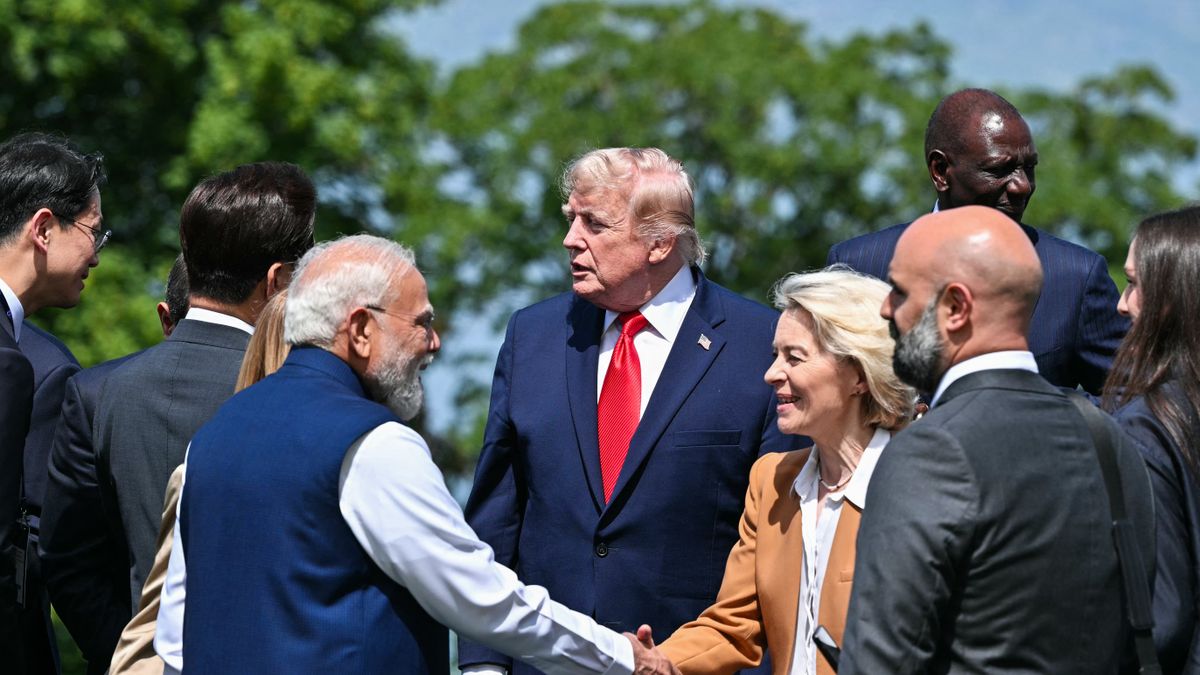
EU-India Trade Deal Faces Resistance as Brussels Prepares for a Surprise Guest
Translated from Hungarian and summarized by DistantNews. Read the original for the full story.
At a glance
Analysis
Sources not specified
In the courts
- The EU and India seek to diversify economic ties and reduce dependence on China and the United States, alongside cooperation on security, clean energy and digital infrastructure.
- EU member states must approve the completed trade agreement individually, while France and Italy have raised concerns about its effects on their industries and farmers.
- Turkey and the Trump administration have also criticized the pact, citing risks to Turkish exports and India’s continued purchases and refining of Russian oil.
The European Union’s trade agreement with India is facing resistance inside and outside the bloc, even though negotiators have completed the text. Each EU member state must still approve the pact, leaving room for objections from governments concerned about its distributional effects.
Germany is expected to benefit strongly, particularly through its machinery and automotive industries. France argues that removing tariffs would give German manufacturers an excessive advantage while leaving the French-Indian trade balance heavily in deficit. French and Spanish agricultural groups also fear duty-free imports of processed Indian food and seafood, including shrimp, could weaken local producers.
Italy has questioned the pace of proposed tariff cuts for automobiles. Italian diplomats worry that cheaper Indian suppliers could put the country’s component manufacturers at a disadvantage.
The agreement forms part of a broader effort by the EU and India to diversify economic relationships and reduce one-sided dependence on China and the United States. The partnership also extends beyond trade. In January, the sides launched a comprehensive security and defense partnership covering military technology, the clean-energy transition and protection of critical digital infrastructure.
Turkey has criticized the deal because its customs union with the EU requires it to adopt tariffs the bloc negotiates with third countries, without giving Ankara a direct role in those talks. Turkish officials fear duty-free access for Indian textiles and engineering products could threaten Turkey’s export position in Europe. Washington has also objected. Treasury Secretary Scott Bessent and the Trump administration criticized closer EU-India economic ties because India continues to buy and refine large quantities of Russian oil.
About this summary
Originally published by Magyar Nemzet in Hungarian. Translated, summarized, and contextualized automatically by DistantNews, with a note on how the source frames the story. Not individually reviewed before publishing. How this works.
More Stories


From Our Blog

Countries Without a Free Press: What You Need to Know

What Press Freedom Means for the News You Read

What Gets Lost (and Found) When News Is Translated

The Critical Role of Diaspora Media in Global News

What Travellers Should Know About Countries with Restricted Press
