


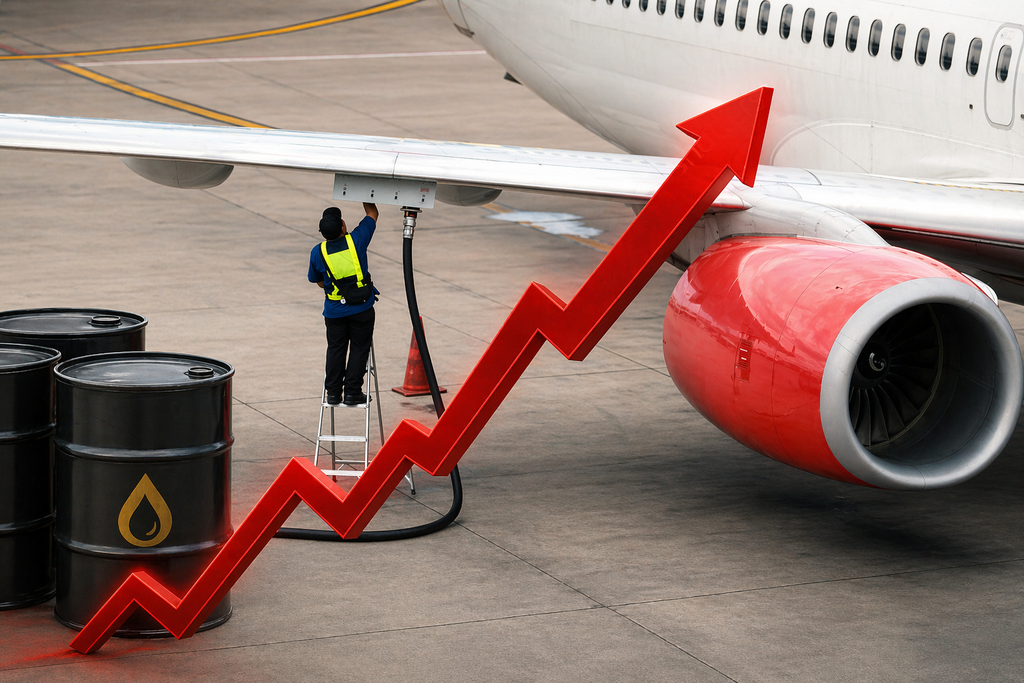
EU Introduces 'Fuel Supervisor' to Monitor Transport Fuels Amidst Geopolitical Tensions
Translated from Greek, summarized and contextualized by DistantNews.
TLDR
- The European Commission is establishing a new mechanism to monitor fuel production, imports, exports, and reserves across member states.
- This initiative, dubbed the 'fuel supervisor,' will focus particularly on jet fuel (kerosene) due to geopolitical tensions affecting the energy market.
- The goal is to transition from passive market observation to active crisis management, ensuring fair distribution of fuel within the EU.
In response to escalating geopolitical tensions and growing energy market uncertainty, the European Commission is taking a significant step towards bolstering the EU's energy resilience. A new oversight mechanism, informally termed the 'fuel supervisor,' is being established to meticulously track the entire supply chain of transport fuels, from production to reserves. This proactive measure signifies a strategic shift from passive market monitoring to a more assertive approach in managing potential crises.
The primary focus of this new initiative will be on jet fuel, or kerosene, a critical component for the aviation sector. The recent turmoil in the Middle East has already sent ripples through global energy markets, causing inflationary pressures and market volatility. By closely monitoring jet fuel supplies, the Commission aims to preemptively address any disruptions that could ground flights or severely impact airport operations across the continent. This includes exploring regulatory flexibility to manage potential supply shortages.
Beyond immediate crisis management, the EU is also emphasizing the development of sustainable aviation fuels (SAFs) produced within its borders. This strategic push aims to reduce the bloc's dependence on imported fossil fuels and accelerate the green transition within the aviation industry. The 'fuel supervisor' will serve as a crucial tool for forecasting and managing crises, fostering closer coordination among member states, fuel suppliers, and the aviation industry to optimize distribution and ensure adequate fuel availability at all European airports. This comprehensive strategy underscores the EU's commitment to a more coordinated and robust energy policy.
DistantNews Editorial
Originally published by Ta Nea in Greek. Translated, summarized, and contextualized by our editorial team with added local perspective. Read our editorial standards.
More Stories

From Our Blog

What Gets Lost (and Found) When News Is Translated

The Critical Role of Diaspora Media in Global News

What Travellers Should Know About Countries with Restricted Press

A Digital Nomad's Guide to Following Local News

How the Same Story Looks Different in Different Countries
