

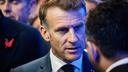

EU Leaders Divided Over Opening Diplomatic Channels with Russia; Some Call it an 'Insult'
Translated from Croatian, summarized and contextualized by DistantNews.
At a glance
News
Named sources
Context piece
- European Council President Charles Michel wants to open diplomatic channels with Russia for potential peace talks, sparking divided reactions among EU leaders.
- Some leaders, like Germany, view the initiative as an "insult" and premature, while others, including Spain and Austria, support dialogue.
- EU leaders reiterated their support for diplomatic initiatives and called on Russia to show genuine willingness for peace and a ceasefire.
European Council President Charles Michel's initiative to open diplomatic channels with Russia for potential peace negotiations has created a rift among European Union leaders. The proposal, discussed during a summit in Brussels, has drawn mixed responses, with some member states expressing strong opposition while others welcome the idea of dialogue.
German government sources described Michel's move as an "insult," deeming it uncoordinated and unprofessional. This sentiment reflects a cautious stance held by several leaders who believe it is not yet the appropriate time to engage in substantive talks with Moscow, especially given Russia's ongoing actions in Ukraine. Dutch Prime Minister Rob Jetten stated, "We haven't seen a real willingness from Putin for serious negotiations, and that's where everything starts."
We haven't seen a real willingness from Putin for serious negotiations, and that's where everything starts.
Conversely, other leaders have voiced support for exploring diplomatic avenues. Spanish Prime Minister Pedro Sánchez affirmed Madrid's readiness to back any initiative promoting peace and ending the war. Austrian Chancellor Christian Stocker emphasized the importance of dialogue, saying, "I am always in favor of dialogue and opening communication channels, because every peace begins with conversation."
I am always in favor of dialogue and opening communication channels, because every peace begins with conversation.
An EU official confirmed that diplomatic contacts have been made recently to establish communication with Moscow, but stressed that no substantive negotiations have occurred. The goal, the official explained, was to signal the EU's readiness for talks when conditions are favorable. Relations between Brussels and Moscow have been severely strained since Russia's annexation of Ukrainian territories in 2014 and have been largely frozen since the full-scale invasion in 2022.
In a joint statement, EU leaders reaffirmed their support for diplomatic efforts to end the war and their readiness to increase engagement. They urged Russia to demonstrate a genuine commitment to peace, agree to an immediate and unconditional ceasefire, and enter into serious negotiations for a just and lasting peace. Ukrainian President Volodymyr Zelenskyy briefed leaders on the battlefield situation during the summit.
It is about establishing normal diplomatic contacts, without substantive discussions and without negotiations.
DistantNews Editorial
Originally published by Večernji List in Croatian. Translated, summarized, and contextualized by our editorial team with added local perspective. Read our editorial standards.
More Stories


From Our Blog

What Gets Lost (and Found) When News Is Translated

The Critical Role of Diaspora Media in Global News

What Travellers Should Know About Countries with Restricted Press

A Digital Nomad's Guide to Following Local News

How the Same Story Looks Different in Different Countries
